Content Creator Career Guide
Explore creator jobs, what the work actually pays, and the routes through it. Get pitch and negotiation tips, and stay current on platform payouts, sponsorship rates, formats, and the AI rules being written now.
How we research our career guides
The Top Creator Economy News, in 5 Minutes.
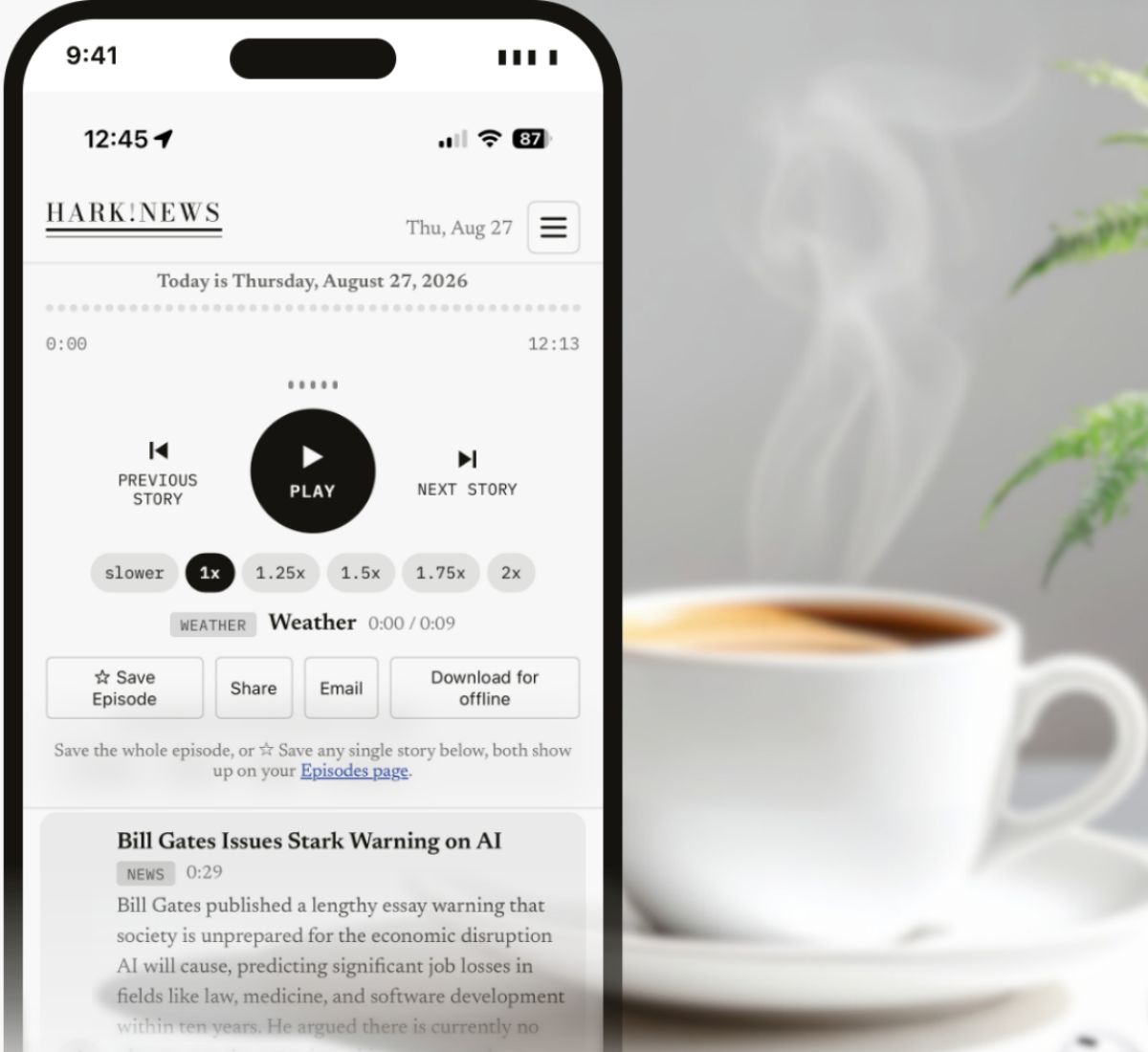
We handpick the best creator economy newsletters and distill key news and insights into a 5-minute audio briefing, texted to you every morning.
Try the Creator Briefing, FreeFreeSee the 3 newsletters we handpicked
At a glance
Content Creation at a Glance
There is no federal occupation called content creator, and that is the first honest thing to say about the field. Goldman Sachs Research put the global creator population at roughly 50 million and found that only about 4 percent are professionals, meaning they earn more than $100,000 a year. The income is extremely skewed, and most people doing this earn little from it.
The work still extends well beyond the single-platform video star. It splits into jobs the federal statistics do recognise: producers and directors who plan and run a shoot, writers and authors who sell words, film and video editors who assemble the cut, camera operators who shoot it, photographers who light a frame, public relations specialists who manage the brand relationship, and marketing managers who buy campaigns from the other side of the table. Their May 2025 medians run from $44,660 for photographers to $90,360 for producers and directors, with marketing managers at $166,790.
Progression is commercial rather than titular. Income arrives as brand deals, which Goldman put at about 70 percent of creator revenue, platform advertising shares, and direct payment from an audience. The strengths that pay are not only on camera: structure, reliability, negotiation, rights literacy, and owning an audience rather than renting one. Entry needs no licence and no degree, and the real constraints are disclosure law, copyright, and platform policy.
Key Industry Statistics
4%
Global creators earning over $100,000 a yearGoldman Sachs Research (2023)
$90,360
Median pay, producers and directors (May 2025)US Bureau of Labor Statistics
65%
Writers and authors who are self-employedUS Bureau of Labor Statistics
59%
News influencers who monetise their online presencePew Research Center
Common roles
- YouTube creator
- Podcaster
- Newsletter writer
- Live streamer
- Video editor
- Creative director
Where the money comes from
- Brand sponsorship
- Platform ad share
- Subscriptions and memberships
- Products and courses
- Affiliate commission
- Live events and speaking
What you must get right
- FTC disclosure
- Copyright and licensing
- Self-employment tax
- Platform monetisation policy
- Contracts and usage rights
Key Areas in Content Creation
Short-Form Video
Vertical video built for recommendation feeds, where reach arrives long before any audience relationship does.
Long-Form Video
YouTube and similar formats, where watch time and host-read sponsorship carry the revenue.
Writing and Newsletters
Email and essay audiences you own outright, billed by subscription rather than impressions.
Audio and Podcasting
Shows sold on sponsorship and downloads, with slow growth and unusually loyal retention.
Brand and Agency Work
Making the same kind of content for someone else's channel, paid as a service.
Commerce and Products
Affiliate links, storefronts, courses and goods sold to an audience you already have.
Content Creator Jobs and Salaries
There is no federal occupation code for a content creator, so this table uses the adjacent occupations the Bureau of Labor Statistics does publish. Every figure is a May 2025 median from the Occupational Outlook Handbook, and each one excludes self-employed workers, which is most creators.
Photographers
$44,660
Public relations specialists
$74,750
Camera operators, television, video, and film
$74,990
Film and video editors
$75,420
Writers and authors
$76,910
Producers and directors
$90,360
Source: US Bureau of Labor Statistics, Occupational Outlook Handbook, May 2025 wage data, accessed October 2026.
Content Creator Career Paths
Creator careers are not one ladder. They are four tracks that start from the same skill of making something people choose to watch, and then diverge sharply in who pays, how reliably, and how much of the day is spent on camera.
- Posting Alongside a Job0 to 2 yearsFind a format you can repeat weekly. Volume and consistency, not one breakout, are what move you up.
- Monetised Channel2 to 4 yearsClear the partner thresholds, take first brand deals, and start reserving for self-employment tax.
- Full-Time Creator4 to 7 yearsThree or more income streams and an owned list, so a feed change is a bad quarter rather than the end.
- Established Independent7 or more yearsRenewals rather than pitches, priced on usage rights as much as on views. Reserves cover a 90-day payment hold.
Credential that fits No credential exists. Your published archive is the qualification
There is no federal occupation code for a content creator, an influencer or a YouTuber, which is why every pay figure here comes from an adjacent occupation that the Bureau of Labor Statistics does publish. Those medians also exclude self-employed workers, so they describe what the skills are worth on a payroll rather than what an independent creator earns.
A Typical Day in Content Creator Jobs
Five roles that cover most of the working week in this field, ordered from a first solo channel to running a small media business. The schedules are representative rather than universal: format, platform and whether you have help move everything.
Short-Form Video CreatorEntry-Level · SoloHigh-frequency vertical video made alone, where the whole production cycle has to fit inside a day and still happen again tomorrow.
- 08:00Check overnight performance on yesterday's post. Watch the retention curve, not just the view count.
- 09:00Write two or three hooks from the comment and search questions you collected this week.
- 11:00Shoot a batch. Doing several in one setup is what makes a daily cadence survivable.
- 14:00Edit, caption and schedule. Any sponsored item gets its disclosure in the audio and on screen.
- 17:00Reply to comments for an hour. This is audience work, and it is also next week's ideas list.
YouTube Channel OwnerEntry to Mid · Long-FormOne substantial video a week, where the research and the writing cost more than the filming and the sponsorship pays the bills.
- 09:00Research and outline. The question the video answers has to be settled before anything is shot.
- 11:00Script, including the sponsor read written in rather than bolted on at the end.
- 13:00Shoot the piece to camera, plus the inserts and B-roll the edit will need.
- 15:00Edit, then build and test thumbnails and titles against each other before publishing.
- 18:00Sponsor admin: invoices, reporting on last month's integration, and two new pitches out.
Newsletter and Podcast OperatorMid-Level · Owned AudienceAn audience that arrives by email and RSS rather than recommendation, sold on subscriptions and host-read sponsorship.
- 07:30Read the sources. The product here is judgement about what matters, so the input is the job.
- 09:30Write the issue. One argument, linked out rather than reproduced, and sent on a fixed day.
- 12:00Record an interview, then hand the file to an editor with the notes for the cut.
- 15:00Sponsorship calls. Rates here are quoted on opens and downloads rather than follower count.
- 17:00Churn and growth review: who unsubscribed this week, and which referral source replaced them.
Video Editor, Creator TeamMid-Level · ProductionThe craft job behind other people's channels, at a May 2025 median of $75,420, with 35 percent of the occupation self-employed.
- 09:00Ingest and sync the previous day's footage, and log the usable takes before touching the timeline.
- 10:30Assembly cut against the script. Structure first, because polish on a bad structure is wasted.
- 13:00Review with the creator. One pass of notes, taken in the room, beats three rounds by message.
- 15:00Finishing: graphics, captions, sound levels, and the on-screen sponsorship disclosure.
- 17:30Export, deliver and archive the project. Clients come back for reliability more than for flourish.
Creator Business OwnerSenior-Level · Small TeamA founder who no longer makes most of the content: the day is production management, commercial decisions and the voice nobody else can write.
- 08:30Numbers first: revenue by stream, cash position, and whether any one payer is now too large.
- 09:30Sign off outlines. The first ninety seconds of anything is still written or approved by you.
- 11:30Team review of what shipped against the standard, plus the hiring or contractor decision of the week.
- 14:00Partnership calls: pricing, usage rights and exclusivity, which is where the margin is actually won.
- 16:00Product and policy: next launch, and whatever changed this week in platform monetisation rules.
JOB SEARCH
How to Build a Content Creator Career in 2026
Whether you are posting for the first time, pricing your first sponsorship, or deciding whether to hire, the same three questions decide it: what the field actually pays, what you can already evidence, and how you answer for it on a call.
Entry-Level
Start a Creator Career
What the work actually involves, what the income distribution honestly looks like, which occupations the federal data covers, and what it takes to switch monetisation on.
What you should know about the field
The shape of the work, the honest numbers behind it, and the thresholds standing between you and a first payout.
What the job is, once the camera is off
Making the thing is a minority of the week. The rest is planning, scripting, shooting, editing, publishing, reading analytics, answering an audience, and selling. Pew Research Center's analysis of TikTok creators found the most-followed accounts had published a median of 777 posts against 154 for the least followed, and posted several times a week rather than weekly. Volume over time, not one hit, is what separates the two groups.
The craft half of the work maps onto real occupations. Producers and directors plan and run a production, film and video editors assemble it, and camera operators shoot it. When a creator hires, these are the jobs they are hiring.
There is no federal occupation called content creator
The Bureau of Labor Statistics publishes no occupation for creator, influencer or YouTuber, so anyone quoting you an average creator salary has invented it. What the federal data does cover are the adjacent occupations: producers and directors at a May 2025 median of $90,360, writers and authors at $76,910, film and video editors at $75,420, camera operators at $74,990, public relations specialists at $74,750 and photographers at $44,660.
Read those as what the component skills are worth on an employer's payroll, not as what a creator earns. They also exclude self-employed workers, which is how most creators are paid.
The income distribution, before anyone sells you a course
Goldman Sachs Research estimated roughly 50 million global creators and found only about 4 percent are professionals, which it defined as earning more than $100,000 a year. That is about one in twenty-five. It also expected that share to stay flat as the population grows, so the skew is structural rather than a phase.
The adjacent federal data points the same way. Sixty-five percent of writers and authors and 67 percent of photographers are self-employed, photographer employment is projected to fall 1 percent to 2035, and the Handbook notes that musicians and singers commonly find only part-time or intermittent work and take other jobs to cover the gaps. Plan for this to be a second income for a long time.
What it takes to switch platform monetisation on
The YouTube Partner Program requires 1,000 subscribers plus either 4,000 qualified public watch hours in the last 12 months, or 10 million qualified Shorts views in the last 90 days. Shorts Feed watch time does not count toward the 4,000 hours, and hitting a threshold does not guarantee acceptance, because channels are still reviewed.
Those numbers are a useful reality check on timelines, and they are also why the earliest real money for most creators is a brand deal or a product rather than an ad share. The platform gate is the slowest of the three to clear.
Skills employers look for
What a first brand partner or a production team is checking in someone with no track record yet.
Shipping on a schedule
The most-followed TikTok creators Pew studied had published a median of 777 posts and post several times a week, against 154 posts and roughly weekly for the least followed. Nobody is assessing one video. They are assessing whether you can do it again next week, which is also exactly what a producer is hired for.
Writing a hook and a structure
Writing is the skill the federal data values most consistently inside this field: writers and authors sit at a May 2025 median of $76,910, and 65 percent are self-employed. Pew's TikTok analysis found the most popular creators post longer videos, 39 seconds on average against 21, and are twice as likely to use speech. Structure is what lets length hold.
Shooting and editing to a watchable standard
Film and video editors earn a median of $75,420 and camera operators $74,990, both 35 percent self-employed, which is the going rate for the craft you are doing unpaid in your own edit. Doing it adequately yourself is the entry requirement; knowing what good looks like is what lets you hire well later.
Reading your own analytics honestly
Knowing which number a platform actually pays on. The YouTube Partner Program counts 4,000 qualified public watch hours in 12 months, or 10 million Shorts views in 90 days, and explicitly excludes Shorts Feed watch time from the first. A creator who cannot say which metric their own monetisation depends on cannot plan a quarter.
Interview questions and answers
The first partnership and hiring conversations, where the subject is whether you can be relied on at all.
Why should a brand in this category work with you?
What they are looking for: Whether you understand your audience as a commercial proposition rather than a number. They are testing fit, not size.
My audience is mostly people setting up a first home studio on a budget under a thousand dollars, which is exactly who buys your entry interface. I have run three unpaid reviews in that price band and the comments are almost entirely purchase questions. I would rather pitch you a two-video setup series than a single post, because that is where the questions actually get answered.
Make it yours: Name the specific segment and the evidence for it. Leading with follower count invites a comparison you will usually lose.
Walk me through how you plan and make one video.
What they are looking for: Process, not inspiration. They want to know you can repeat it to a deadline with someone else's brief inside it.
I keep a running list of questions from comments and search. Monday I pick one and write the script, Tuesday I shoot, Wednesday I edit and build the thumbnail, Thursday it goes out and I watch the first two hours of retention. A sponsored slot gets written into the script at the outline stage, with the disclosure in both the audio and on screen.
Make it yours: Give a real calendar with days on it. Vague answers about when ideas strike read as someone who will miss a campaign date.
What are your numbers, and which ones actually matter?
What they are looking for: Honesty and numeracy. An inflated or vague answer is easy to check, and a creator who quotes reach with no engagement is usually hiding something.
I have 42,000 subscribers, a median of 18,000 views in the first week, and about 46 percent average view duration on ten-minute videos. For a sponsor the number that matters is the mid-roll retention, which runs around 60 percent, because that is who actually hears the read. I can send the last six videos' analytics rather than a highlight.
Make it yours: Volunteer a median rather than a best case, and name the metric the buyer should judge you on. Offering raw analytics is the strongest move available.
How do you handle disclosure on a sponsored post?
What they are looking for: Whether you are a compliance risk. The FTC says responsibility rests with the influencer and the brand, so this is a real liability question.
The disclosure goes with the endorsement, not in the bio or at the end. In video I say it out loud and put it on screen, because some people watch without sound. On a live stream I repeat it. I use the word sponsored or ad, never spon or collab, and affiliate links get their own line saying I earn a commission.
Make it yours: Say the words hard to miss and name what you will not do. Brands have been burned, and the correct answer is close to a recitation.
Mid-Level
Price, Negotiate and Diversify
How to convert an audience into priced work, which adjacent occupations pay most, what the tax and disclosure obligations actually are, and how to stop renting your distribution.
What you should know at this stage
Where the money is, what the law requires of you once it arrives, and which asset is worth building next.
Which adjacent occupations pay most, and why
The pay rises when the work moves from making content to commissioning and buying it. Producers and directors sit at a May 2025 median of $90,360, advertising and promotions managers at $133,660, and marketing managers at $166,790 across 421,600 jobs, projected to grow 7 percent to 2035.
This is the single most useful piece of planning information on this page. A creator whose channel plateaus is rarely out of options, because the skills transfer directly into the better-paid side of the same industry.
Brand deals are the revenue, so the disclosure law matters
Goldman Sachs Research put brand deals at about 70 percent of creator revenue, which makes the Federal Trade Commission's endorsement rules a working condition rather than a technicality. Disclose any financial, employment, personal or family relationship with a brand. Free or discounted product counts. The disclosure must be hard to miss and placed with the endorsement, not in a profile, at the end of a video, behind a More link, or buried among hashtags.
Terms like sp, spon, collab, thanks and ambassador are not adequate. In video the disclosure belongs in the video itself, in both audio and on screen, and in a live stream it has to be repeated. The FTC states that ultimate responsibility for clearly and conspicuously disclosing a material connection rests with the influencer and the brand, not the platform.
You are a business, and the tax arrives before income tax
The IRS requires you to file a return and a Schedule SE if your net earnings from self-employment were $400 or more. Self-employment tax is 15.3 percent: 12.4 percent for Social Security and 2.9 percent for Medicare, charged on net earnings before any income tax is calculated. The employer-equivalent half is deductible when working out adjusted gross income.
The practical consequence is that a $10,000 brand deal is not $10,000. Creators who do not reserve for this quarterly are the ones who get a bill they cannot pay in their second good year.
Owning an audience versus renting one
Pew Research Center found that 58 percent of TikTok creators with a bio include a link in it, rising to 82 percent of the most-followed accounts against 33 percent of the least followed. The most successful accounts are systematically routing attention somewhere they control.
The same pattern shows in news creators: 59 percent of the news influencers Pew studied monetise their presence, commonly through subscriptions, donations and merchandise, all of which require a direct relationship rather than a feed placement. Treat the owned list as the asset and the platform as the acquisition channel.
Skills employers look for
What separates a creator who gets one campaign from a creator brands renew without a pitch.
Pricing and negotiating a sponsorship
Brand deals are roughly 70 percent of creator revenue, so the negotiation is the job. The person on the other side is usually an advertising and promotions manager at a median of $133,660 or a marketing manager at $166,790, buying against a campaign budget and a benchmark. Quote usage rights, exclusivity and term separately from the post itself.
Disclosure as a production step
Building the FTC disclosure into the script and the edit rather than bolting it onto a caption. It must be hard to miss and sit with the endorsement, in the video itself for video and repeated during a live stream, and affiliate links need their own clear statement near the link. Brands increasingly screen for creators who do this unprompted.
Running the money like a business
Building an owned channel
A newsletter, podcast feed or membership that survives a recommendation change. Pew found 82 percent of the most-followed TikTok creators carry a bio link against 33 percent of the least followed, and that 59 percent of news influencers monetise through subscriptions, donations or merchandise. Both require a direct relationship rather than a placement.
Interview questions and answers
Mid-career conversations, where the subject moves from whether you can make it to whether you can be bought from reliably.
How do you price a sponsorship, and what is your rate based on?
What they are looking for: Whether you price on delivered attention and rights, or guess. They are also checking whether you will discover usage rights later and try to reprice.
My base is the median first-30-day views on the format they want, at a rate per thousand that I hold across clients. Then I price the extras separately: whitelisting, paid usage, exclusivity in the category, and how long they keep the asset. A single integrated video with no usage is one number, the same video with six months of paid media behind it is roughly double.
Make it yours: Separate the content from the rights out loud. The usage grant is where most creators give away the margin without noticing.
Tell me about a campaign that underperformed, and what you did.
What they are looking for: Whether you report bad numbers before they are discovered, and whether you have a diagnosis rather than an excuse.
A sponsored integration landed at about half the views the surrounding videos were doing. I flagged it to the brand within a week with the retention graph rather than waiting for the report, found the drop was at the topic rather than the read, and offered a reshoot of the same product inside a format my audience actually watches. They took the reshoot and renewed.
Make it yours: Lead with the fact that you raised it first. A creator who waits to be asked is a creator a brand manager has to supervise.
How do you keep an audience when a platform changes the feed?
What they are looking for: Whether your business has a single point of failure. This is the question behind most agency and partnership due diligence.
About a third of my audience is on an email list I own, and the podcast feed is an RSS feed nobody can throttle. When short-form reach halved last year the newsletter opens barely moved, so revenue held while I rebuilt the feed numbers. I treat each platform as an acquisition channel and the list as the actual asset.
Make it yours: Quantify the owned share. An answer that is only a philosophy about owning your audience, with no number behind it, does not land.
What would you refuse to post, and why?
What they are looking for: Judgement and risk. They want to hear a line that exists before the money is on the table, and awareness of what is actually prohibited.
I will not make a claim I cannot support, particularly anything about health outcomes, because that requires proof the advertiser has to hold. I will not say I loved something I have not used, and I will not take a script that buries the disclosure. I would rather lose the deal than carry a claim I would have to defend.
Make it yours: Tie the refusal to the rule rather than to taste. Saying you will not endorse a product you have not tried is the specific thing the FTC is asking of you.
Senior-Level
Build, Lead or Move Across
The three directions a senior creator career goes: a business with staff and products, a move into production or in-house marketing, or a licensing and advisory practice built on the audience you already have.
What you should know at this stage
The structural risks that end creator careers, and the better-paid places the same skills are worth more.
Platform policy is now the main structural risk
YouTube's channel monetization policies renamed the repetitious content rule to inauthentic content on 15 July 2025, covering work that is repetitive or mass-produced, and the separate reused content rule asks whether viewers can tell there is a meaningful difference between the original and your version. AI work is judged under the same originality rules: a channel can use AI and monetize if the creative vision is evident, but generic or unoriginal templates cannot, and AI personas presenting as human experts on health, legal, financial or political topics are excluded outright.
The operational detail that matters most is the money. While YouTube investigates, it may withhold, adjust or offset earnings, which can mean payment delays of up to 90 days. A business with no reserve does not survive that.
The fake-review rule reached creators in 2024
The Federal Trade Commission announced a final rule on 14 August 2024 banning fake and false reviews and testimonials, including ones generated by AI or attributed to people with no real experience of the product. It also bans buying positive or negative reviews, undisclosed insider reviews, company-controlled review sites, review suppression, and the misuse of fake social media indicators.
That last category names creators directly: selling or buying bot-generated or hijacked followers and views, where the buyer knew or should have known they were fake and used them to misrepresent influence for commercial purposes. The Commission can seek civil penalties against knowing violators, so bought engagement is now a legal exposure rather than a vanity problem.
Where creators go when a channel plateaus
The better-paid destinations are inside the same industry. Marketing managers earn a May 2025 median of $166,790 across 421,600 jobs and are projected to grow 7 percent to 2035. Advertising and promotions managers earn $133,660, though that occupation is projected to shrink 4 percent. Producers and directors earn $90,360 across 181,000 jobs, 20 percent of them self-employed, and public relations specialists $74,750 across 314,500 jobs.
A creator with a decade of shipping, pricing and audience data is a credible candidate for any of these, and the move is usually a pay rise rather than a retreat.
Copyright: what you may use and what you own
The Copyright Office is explicit that there is no formula: no predetermined percentage, number of words, lines or seconds is safe to use without permission. Fair use turns on four factors, the purpose and character of the use, the nature of the work, the amount and substantiality used, and the effect on the market, and taking a small portion can still fail if it is the heart of the work.
Platform rules sit on top of that and are stricter. YouTube's reused content policy applies to a whole channel, is separate from copyright, and applies even with the original creator's permission. Reaction and commentary are allowed when a viewer can tell there is a meaningful difference; reposting with no substantive modification is not.
Skills employers look for
What a brand, an agency or an acquirer is buying when it hires a senior creator rather than a popular one.
Hiring and directing a small team
Rights, contracts and licensing
Platform policy and legal risk management
Interview questions and answers
Senior conversations, where the subject is the business, the team and the risk rather than the next video.
How would you build a content programme for us, with a budget?
What they are looking for: Whether you can think like the buyer. This is the question that moves a creator from supplier to partner, and it is how in-house roles start.
I would start with the three questions your customers ask before buying and build a format for each, rather than a campaign. One flagship long-form a month, cut into eight short pieces, plus a monthly email. On a modest budget I would spend most of it on an editor and a researcher and keep the on-camera cost at zero, because the bottleneck is volume, not talent.
Make it yours: Allocate the money out loud and say what you would not spend it on. A plan with no budget shape in it reads as a wish list.
How do you manage a creator team and keep a voice consistent?
What they are looking for: Whether you can delegate without the output drifting. The federal statistics call this a producer, and it is a different job from making things.
I write or sign off every outline, and nobody else writes the first ninety seconds. Everything else, shooting, editing, thumbnails, scheduling, belongs to the team with a written standard and a weekly review of what shipped. I keep one rule: if I cannot say why a video exists in one sentence, it does not get made.
Make it yours: Name the one thing you never hand over. Answers where the founder keeps everything, or hands over everything, both fail.
What is your view on using AI in production, and where is your line?
What they are looking for: Policy literacy. Platforms now judge AI work under their originality rules, so a careless answer is a monetisation risk for whoever hires you.
I use it for the mechanical layer: transcripts, rough cuts, captions, thumbnail variants. I do not ship generated content on a generic template, because YouTube's monetisation policies treat that as inauthentic, and I will not put an AI persona in front of advice on health, money or law, which is explicitly not monetisable. The judgement and the voice stay human because that is the part people subscribed to.
Make it yours: Cite the actual policy boundary rather than a personal preference. The useful answer distinguishes AI in the workflow from AI as the product.
How do you protect the business from depending on one platform?
What they are looking for: Commercial maturity at the level of a business rather than a channel. Anyone buying or investing asks this first.
Revenue is split roughly half brand deals, a quarter memberships and a quarter products, so no single payer is more than about a third. Distribution is three platforms plus an owned list and an RSS feed. I also keep six months of operating cost in reserve, because the recovery from a policy strike is measured in months, not weeks.
Make it yours: Give the split as percentages. Diversification described without numbers usually means one platform and two neglected accounts.
Why Content Creators Need to Stay Informed
Payout terms, recommendation changes, monetisation policy and sponsorship rates all move faster than your analytics can report them. A creator who hears about a policy change when their revenue drops has already lost a month. Staying informed is how you price correctly, pick formats before they saturate, and avoid the policy mistake that quietly removes a channel from a partner programme.
Read more
The second reason is commercial. Brand budgets, category rates and campaign structures are discussed openly in the trade press, and a creator who can cite them negotiates from evidence rather than hope.
The bottom line
The Field Is Rewriting Its Own Rules.
The federal numbers say the adjacent craft occupations are flat to declining, and Goldman Sachs Research says about 4 percent of creators clear $100,000. The opportunity is real but narrow, and it goes to the people who treat platform change, disclosure law and pricing as part of the job.
Stay Informed with Hark's Creator Briefing
How it works
Curated from the best newsletters
Hark's editorial team handpicks the sources worth following. See how we rank
The news that matters in 5 minutes
Hark distills the most important stories into a concise audio briefing.
Texted to you every morning
You set the time and listen when you want.
Go deeper if you want
Upgrade to the 15-minute briefing and select up to 50 newsletters.
The 3 Creator Newsletters We Handpicked
The Publish Press
Colin and Samir
- Free
- M, W, F
- 130k readers
Colin and Samir's thrice-weekly briefing on the creator economy, covering YouTube and the business of being a creator from people who are ones.
Why content creators read it
Colin and Samir's briefing three times a week on the creator economy and the business of being a creator, written by people who do the job. Roughly 130,000 creators read it, which makes it the closest thing the field has to a common record.
More about this newsletter
Colin and Samir turned the biggest creator-economy interview show on YouTube into The Publish Press, a Monday, Wednesday, and Friday briefing on the business of being a creator. It covers platform changes, creator deals, and strategy with practitioner credibility. It passed 130,000 subscribers in its first year.
Tubefilter Top Stories
Tubefilter
- Free
- Daily
Daily digest of Tubefilter's reporting on creators and online video: YouTube, TikTok, streaming platforms, and creator-industry news.
Why content creators read it
A daily digest of reporting on creators and online video across YouTube, TikTok and streaming. It is the news layer here: the fastest route to platform announcements, payouts and industry moves.
More about this newsletter
Tubefilter has covered the online-video industry since the early YouTube era, and this daily email rounds up its top stories on creators, platforms, and streaming. Expect breaking platform news, creator business moves, and charts coverage. Free, with a dedicated signup page.
See the other 1 newsletters
Creator Science
Jay Clouse
- Free
- Weekly (Sundays)
- 65k readers
Jay Clouse on building a creator business: evidence-backed growth tactics, real experiments, creator interviews, and tool picks in a 10-minute Sunday read.
Why content creators read it
Jay Clouse's Sunday read on building a creator business, with evidence-backed tactics, real experiments and tool picks for about 65,000 subscribers. It is the most practical source of the three, aimed at the business rather than the content.
More about this newsletter
Jay Clouse studies what actually grows creator businesses and reports back every Sunday with experiments, interviews with top creators, and evidence-backed tactics. It is more rigorous than the usual creator-economy cheerleading. Ten minutes a week for people building an audience into a business.
Best for: People building an audience into a business who want evidence-backed tactics and creator interviews rather than creator-economy cheerleading, in a rigorous weekly Sunday read.
You May Also Like
- Digital MarketersThe buyers on the other side of most sponsorship calls, with the channel, measurement and budget detail that explains how your rate card is being judged.
- JournalistsReporting as a trade, covering the craft, the economics and the ethics that increasingly apply to independent creators publishing news to an audience of their own.
- E-Commerce OwnersSelling physical products to an audience, which is where many creators take their first real margin once affiliate links stop being enough.
- EntrepreneursBuilding a company rather than a channel: hiring, funding, pricing and the operating habits a creator needs once there is a payroll behind the content.
Frequently Asked Questions
Entry-Level
What does a content creator actually do day to day?
Making the content is a minority of the week. The rest is planning, scripting, shooting, editing, publishing, reading analytics, replying to an audience and selling. Pew Research Center's analysis of TikTok creators found the most-followed accounts had published a median of 777 posts against 154 for the least followed, and posted several times a week rather than weekly. The craft half of the work maps onto occupations the Bureau of Labor Statistics does publish: producers and directors plan and run a production, film and video editors assemble it, camera operators shoot it.
Is content creation a good career in 2026 and beyond?
It is a real career for a small minority and a second income for most. Goldman Sachs Research estimated roughly 50 million global creators and found only about 4 percent are professionals, meaning they earn more than $100,000 a year, and expected that share to stay steady as the population grows. The adjacent occupations are mixed: producers and directors are projected to grow 4 percent to 2035 and marketing managers 7 percent, while photographers decline 1 percent and writers and authors show no change. Start it alongside something that pays.
How much do content creators realistically earn?
There is no honest single figure, because the Bureau of Labor Statistics publishes no occupation for content creator and the income is extremely skewed. The one credible distribution estimate, from Goldman Sachs Research, is that about 4 percent of creators earn more than $100,000 a year. For the adjacent occupations the May 2025 medians run $44,660 for photographers, $74,750 for public relations specialists, $74,990 for camera operators, $75,420 for film and video editors, $76,910 for writers and authors and $90,360 for producers and directors, and those exclude self-employed workers.
Do you need a degree or qualification to become a content creator?
No. There is no licence, no board and no required credential, and your published archive is the qualification. That changes if you move onto a payroll: the Bureau of Labor Statistics records a bachelor's degree as the typical entry-level education for producers and directors, writers and authors, film and video editors, camera operators, public relations specialists and marketing managers. Photography is the exception, with a high school diploma as the typical entry. So a degree is optional for the independent route and close to standard for the employed one.
How do you start as a content creator with no audience?
Pick one format you can repeat weekly and publish on a fixed day, because the gap between the most and least followed creators in Pew's TikTok data is mostly volume over time: a median of 777 posts against 154. Choose a specific question your content answers rather than a broad topic, keep every idea that comes from a comment or a search, and set up an email list on day one so the audience you build is not entirely rented. Expect no money for the first year and budget accordingly.
What is the difference between a content creator, an influencer and a freelancer?
A creator builds and publishes to an audience of their own. An influencer is a creator monetising that audience through endorsements, which is the status the Federal Trade Commission's rules attach to. A creative freelancer does the same craft for someone else's channel and is paid per project, which is what the federal occupations actually measure. Most working creators are all three in a given month. Notably, Pew found fewer than 1 percent of TikTok creator accounts use the word creator or influencer in their bio.
What are the requirements to turn on YouTube monetisation?
The YouTube Partner Program requires 1,000 subscribers plus either 4,000 qualified public watch hours in the last 12 months or 10 million qualified Shorts views in the last 90 days. Watch time from the Shorts Feed does not count toward the 4,000 hours, and meeting a threshold does not guarantee acceptance because channels are still reviewed. YouTube may also turn monetisation off for channels that have not uploaded or posted for six months or more. For most creators a brand deal or a product arrives before the ad share does.
Mid-Level
What are the best first paid jobs for a creator who is not full time yet?
The reliable ones are craft jobs on other people's channels: editing, shooting, thumbnail and short-form repurposing, and ghost-writing newsletters. They pay per project, teach you how briefs and deadlines work, and sit in occupations with real medians, $75,420 for film and video editors and $74,990 for camera operators. Small, specific brand partnerships in your exact niche come next, and are usually worth more than a larger deal in a category your audience does not buy from.
How do creators make money, and which income stream pays most?
Four streams dominate: brand deals, platform advertising shares, direct payment from an audience through subscriptions, memberships and donations, and your own products. Goldman Sachs Research put brand deals at about 70 percent of creator revenue, which makes them the largest and also the most concentrated risk. Pew found that 59 percent of the news influencers it studied monetise, commonly through subscriptions, donations and merchandise. The practical target is three streams where no single payer exceeds roughly a third of income.
How should you price a sponsored post or video?
Price on delivered attention, then price the rights separately. Use your median views in the first 30 days for the format being bought, at a rate per thousand you hold across clients, and quote usage, whitelisting, category exclusivity and term as separate line items. The person buying is usually an advertising and promotions manager, median $133,660, or a marketing manager, median $166,790, working to a campaign budget and a benchmark. The usage grant is where creators most often give away the margin without noticing.
Which platform should you focus on, and should you post everywhere?
Focus production on one platform and distribute to the others, because the research and the writing are the expensive parts and they travel. Pew's TikTok data shows the most-followed accounts post several times a week and run longer videos, 39 seconds on average against 21 for the least followed, so depth on one feed beats thin presence on four. Whichever you pick, route attention to something you own: 82 percent of the most-followed creators carry a bio link, against 33 percent of the least followed.
What taxes and admin do self-employed creators have to handle?
In the United States you must file a return and a Schedule SE once net earnings from self-employment reach $400. Self-employment tax is 15.3 percent, made up of 12.4 percent for Social Security and 2.9 percent for Medicare, and it is charged on net earnings before income tax is worked out, though the employer-equivalent half is deductible against adjusted gross income. In practice that means a separate account, tracked expenses, quarterly reserves and a habit of treating gifted product and barter as income.
How do you pitch a brand, and what do they ask on the call?
Pitch the audience segment and the evidence for it rather than the follower count, and propose a format rather than a post. Expect four questions: why your audience specifically, what your real numbers are including a median rather than a best case, how you handle disclosure, and what happened the last time something underperformed. Offering raw analytics for your last six pieces is the strongest move available, because it is the one thing a brand cannot get from a media kit.
What does a typical working week look like for a full-time creator?
It varies by format more than by seniority. A short-form creator batches shooting and publishes most days, with an hour of audience replies built in. A long-form channel spends more time on research and scripting than on filming, then on thumbnail and title testing. A newsletter and podcast operator reads for two hours before writing anything and sells on opens and downloads. An owner who has hired signs off outlines, reviews what shipped, and spends the afternoon on pricing and rights.
Senior-Level
What skills do brands and agencies expect from an experienced creator?
Four things beyond the content. Production management, which is the job the federal data calls producer and prices at a median of $90,360. Commercial literacy, meaning you price usage, exclusivity and term separately and can defend a rate. Compliance, meaning disclosure is built into the script and the edit rather than a caption. And policy literacy: inauthentic and reused content rules apply to a whole channel, and earnings can be withheld for up to 90 days during an investigation.
How do creators move into producing, directing or in-house marketing?
The skills transfer and the pay usually improves. Producers and directors earn a May 2025 median of $90,360 across 181,000 jobs, advertising and promotions managers $133,660, and marketing managers $166,790 across 421,600 jobs projected to grow 7 percent to 2035. A decade of shipping on a schedule, pricing work and reading audience data is a credible case for any of them. The practical route is freelance or contract work for a brand first, which converts your channel from the product into evidence.
What opportunities exist for creators outside posting content?
Consulting and content strategy for brands, running an in-house content function, agency and talent management, production and post-production craft work, teaching and course businesses, licensing a format or a likeness, speaking, and software or physical products built for the niche you already serve. Public relations specialists are a 314,500-job occupation at a median of $74,750, and marketing management is the largest and best-paid destination. Most of these pay less volatility for slightly less upside, which is usually the right trade after a plateau.
How is AI changing content production and what platforms will pay for?
The mechanical layer is largely automated: transcripts, rough cuts, captions, dubbing, thumbnail variants. The platforms responded by policing authenticity rather than volume. YouTube renamed its repetitious content policy to inauthentic content on 15 July 2025, covering repetitive or mass-produced work, and judges AI under the same originality rules: a channel can use AI and monetise where the creative vision is evident, but generic or unoriginal templates cannot, and AI personas presenting as human experts on health, legal, financial or political topics are excluded outright.
Will AI-generated content replace human creators?
The evidence so far points at displacement of the support layer rather than the creator. The Bureau of Labor Statistics expects automated design tools to make graphic designers more productive and reduce the number needed, and says similar pressure may soften demand for public relations specialists in data-rich social media. Meanwhile the platform rules push the other way, excluding mass-produced AI output and AI expert personas from monetisation. What holds value is what cannot be copied: an owned audience, a track record with brands, and judgement about what is worth saying.
What is the biggest structural risk in a creator career?
Concentration, on one platform and one type of payer. Brand deals are roughly 70 percent of creator revenue, and YouTube may withhold, adjust or offset earnings for up to 90 days while it investigates a policy question, so a single strike can stop income without ending the business on paper. The second risk is legal: since August 2024 a federal rule bans fake reviews and testimonials and names bought followers and views specifically, with civil penalties available against knowing violators.
How do you build a creator business that outlasts a single channel?
Separate the audience from the distribution and the revenue from the sponsor. Hold a direct relationship, an email list or podcast feed, and treat platforms as acquisition: 82 percent of the most-followed TikTok creators carry a bio link against 33 percent of the least followed. Split revenue so no payer exceeds about a third, hire the craft roles before the strategic ones, and keep reserves that cover a 90-day payment hold. Then decide deliberately whether the business is you, or a brand that can outlive your face.
Get Tomorrow's Creator Briefing
The Publish Press reaches roughly 130,000 creators and Creator Science about 65,000, which means the tactics that feel like an edge are already common knowledge in your category. Learning about a payout change from your own dashboard is the expensive way to find out.