Digital Marketing Career Guide
Explore digital marketing jobs, salaries, and career paths. Stay current on SEO, AI marketing, social media, and digital advertising trends.
Top Digital Marketing News, in 5 Minutes
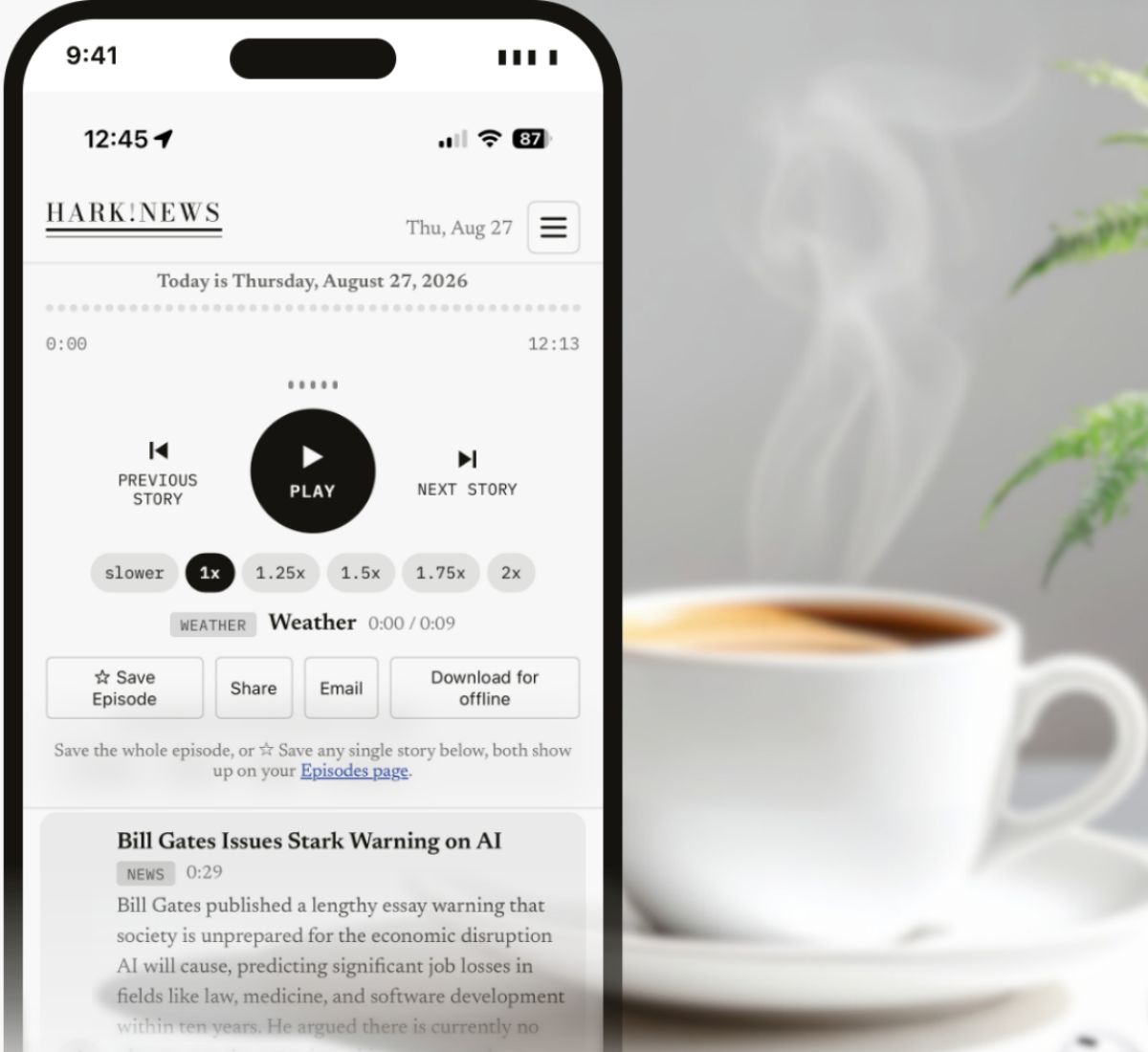
We handpick the best digital marketing newsletters and distill the latest SEO, AI marketing, social media trends into a 5-minute audio briefing, texted to you every morning.
Try the Digital Marketing Briefing, FreeFreeSee the 6 newsletters we handpicked




At a glance
Digital Marketing at a Glance
The field is larger than its most visible job. The United States had 454,800 advertising, promotions and marketing manager roles in 2025, plus 952,700 market research analysts, the occupation most digital measurement is counted in. Digital marketing extends well beyond posting on social platforms: search specialists earn placement in results, paid media buyers allocate budget across auctions, lifecycle marketers own an audience the company holds directly, analysts test whether it worked, content and social practitioners make what people encounter, and conversion specialists fix what happens after the click.
Pay widens with accountability, not tenure: market research analysts at a $78,760 median in May 2025, public relations specialists $74,750, web developers and digital designers $99,520, advertising and promotions managers $133,660, and marketing managers $166,790. Several doors in: quantitative through analytics and paid media, writing through content and lifecycle, technical through SEO and marketing operations, relational through partnerships and creator programmes.
A bachelor's degree is the typical entry requirement for both anchor occupations, though many search, paid media and email practitioners hold no marketing degree. The direction of travel: AI summaries absorb clicks rankings used to deliver, mobile tracking needs permission, a browser opt-out signal is binding in California, and ad platforms have retired most attribution models. Marketing managers are projected to grow 7 percent to 2035 while advertising and promotions managers shrink 4 percent. Roles that prove an effect are expanding; roles that only run a channel are not.
Key Industry Statistics
$166,790
Median pay for marketing managers (May 2025)US Bureau of Labor Statistics
952,700
Market research analyst jobs, the main measurement rungUS Bureau of Labor Statistics
+7%
Projected marketing manager growth, 2025 to 2035US Bureau of Labor Statistics
8% vs 15%
Google result clicks with and without an AI summaryPew Research Center
Common roles
- SEO specialist
- Paid media manager
- Lifecycle marketing manager
- Marketing analyst
- Content strategist
- Director of digital marketing
Where they work
- In-house brand teams
- Digital and media agencies
- E-commerce and retail
- B2B software companies
- Publishers and marketplaces
- Freelance and consulting
What decides pay
- Budget under management
- Ability to prove incremental lift
- Channel owned and its scarcity
- Agency or in-house
- Industry and company size
Key Areas in Digital Marketing
Search & AEO
Earning placement in results, and now inside the answers above them.
Paid Media
Buying attention in auctions that automate more of the decision each year.
Lifecycle & Email
The one audience a platform cannot take away, with real technical rules.
Analytics & Attribution
Designing the test that says whether any of the spending mattered.
Content & Social
Making the thing people actually encounter, at a cadence platforms reward.
Conversion & Web
What happens after the click, where most wasted budget is recovered.
Digital Marketing Salaries, Rung by Rung
No federal occupation is called digital marketer, so this ladder uses the five occupations the work is actually counted in. Market research analysts, SOC 13-1161, is the measurement and analytics rung. Marketing managers, SOC 11-2021, is the leadership rung. All figures are median annual wages for May 2025 and exclude bonus structures, which are common on the paid media side.
Public relations specialists
$74,750
Market research analysts
$78,760
Web developers and digital designers
$99,520
Advertising and promotions managers
$133,660
Marketing managers
$166,790
Source: US Bureau of Labor Statistics, Advertising, Promotions, and Marketing Managers, May 2025, accessed October 2026.
Digital Marketing Career Paths
Four tracks through the same problem: reaching people on somebody else's platform and proving it mattered. The first fork is whether you earn attention, buy it, keep it or measure it, and each track reaches a director-level rung.
- SEO Specialist0 to 2 yearsTechnical fixes, content briefs, and learning to read Search Console rather than a rank tracker.
- SEO Manager2 to 5 yearsOwning a site's organic programme, including the content plan's exposure to the spam policies.
- Head of Organic Growth5 to 9 yearsStrategy across search, answer engines and owned content, with sessions no longer the goal.
- Director of Search9 years and upHow much of the company's demand may depend on a channel it does not control.
Credential that fits No credential; Google's own documentation is the reference
There is no federal occupation code for a digital marketer. The work is counted variously among market research analysts, public relations specialists, web developers and digital designers, advertising and promotions managers, and marketing managers, and none of those medians include the performance bonuses common on the paid media side.
A Typical Day in Digital Marketing Jobs
Five roles from a first channel to the whole budget, ordered by how much of the day is somebody else's decision.
SEO SpecialistEntry-Level · SearchTechnical fixes, content briefs, and the slow discovery that a ranking and a visit are different things.
- 09:00Search Console review, where impressions are up and clicks are not, which is now a normal pattern.
- 10:30Crawling the site for the broken internal links nobody has noticed since the last template change.
- 13:00Writing a content brief that answers a question rather than targets a phrase.
- 15:00Checking a competitor's new pages against the spam policies, and finding the answer is uncomfortable.
- 17:00Reading the day's search news to see whether this morning's drop was yours or everybody's.
Paid Media ManagerMid-Level · PerformanceOwning the spend, and quietly knowing the reported return is larger than the real one.
- 08:30Pacing check across accounts, where one campaign spent a third of the week's budget overnight.
- 10:00Reviewing creative test results, which is the main lever left now the platform sets the bids.
- 12:30Reconciling platform-reported conversions against what the finance team can actually see.
- 14:30Planning a geo holdout for the brand campaign nobody has ever been allowed to pause.
- 16:30Declining a request to add a channel because nothing would be left to measure it against.
Lifecycle Marketing ManagerMid-Level · RetentionThe one audience the company owns outright, and the technical rules that keep it reachable.
- 09:00Deliverability check: complaint rate against the 0.30 percent ceiling, before anything goes out.
- 11:00Rewriting an onboarding sequence that assumed people read the second email.
- 13:30Suppressing a chunk of the list, which costs reach today and saves the programme later.
- 15:00Legal review on a promotion, covering the disclosure and the postal address nobody remembers.
- 17:00Setting up a holdout so retention lift can be told apart from people who were staying anyway.
Marketing Analytics LeadSenior-Level · MeasurementThe referee between four channels that all claim the same sale, and the person who has to say so.
- 08:00Reading last week's holdout result, which is smaller than the dashboard promised and is the real number.
- 10:00Rebuilding a report after an attribution model the business relied on stopped being supported.
- 12:00Working out how much of the audience is missing because of consent, and modelling the rest.
- 14:30Coaching a channel manager through designing a test instead of arguing about a dashboard.
- 16:30Writing the one paragraph leadership will actually read, with the uncertainty left in.
Director of Digital MarketingSenior-Level · LeadershipThe whole budget, the hiring, and the uncomfortable conversations about channels that stopped working.
- 08:00Portfolio review: which channels are compounding and which have been about to turn for two quarters.
- 10:00Executive conversation about an organic decline that is an industry change, not a team failure.
- 12:00Hiring debrief, where the candidate knew every tool and could not describe an experiment.
- 14:00Deciding to cut a channel, which is the decision this level is genuinely paid for.
- 16:30Setting the standard for what the team is allowed to call a result.
JOB SEARCH
How to Become a Digital Marketer in 2026
Whether you are trying to get a first paid channel to run, taking responsibility for a budget and the number it has to return, or deciding how much of a plan may depend on traffic somebody else's summary now absorbs, the questions change at each stage. Pick yours.
Entry-Level
Get a Channel of Your Own
Which door to walk through, what a hiring manager checks when you have no track record, and why one measured result beats a stack of certificates.
What you should know about the field
What the work pays, who gets hired, and what already changed before you arrived.
Two Federal Occupations Bracket the Pay
Marketing managers, SOC 11-2021, had a $166,790 median in May 2025 across 421,600 jobs, and that is the rung digital marketing leadership is counted in. Market research analysts, SOC 13-1161, had a $78,760 median across 952,700 jobs, and that is the rung most measurement and analytics work lands in. The rungs in between are public relations specialists at $74,750 and web developers and digital designers at $99,520.
Sources: US Bureau of Labor Statistics, Advertising, Promotions, and Marketing Managers, May 2025US Bureau of Labor Statistics, Market Research Analysts, May 2025US Bureau of Labor Statistics, Public Relations Specialists, May 2025US Bureau of Labor Statistics, Web Developers and Digital Designers, May 2025
The Analyst Rung Is the Widest Door In
Market research analysts number 952,700 jobs in 2025, projected to grow 7 percent to 2035 with about 82,000 openings a year, and a bachelor's degree is the typical entry requirement. It is the largest single entry point into paid digital work.
Source: US Bureau of Labor Statistics, Market Research Analysts, May 2025
AI Answers Changed What a Ranking Is Worth
Pew Research Center tracked 68,879 Google searches by 900 US adults in March 2025. Users clicked a traditional result on 8 percent of visits where an AI summary appeared, against 15 percent where none did, and clicked a link inside the summary on 1 percent.
Google Says There Is No AI-Specific Optimisation
Google's own documentation states there are no additional requirements or special optimisations for AI Overviews and AI Mode, no AI-specific files or markup, and that traffic from AI features already appears in Search Console under the Web search type.
Skills employers look for
What a team checks in someone who has not owned a budget yet.
Reading the Search Documentation, Not the Commentary
Google's SEO Starter Guide names what it believes does not matter, including meta keywords, keyword stuffing and word count targets. Working from the primary text is what separates practice from folklore in a field full of confident secondhand advice.
Keeping an Email Programme Deliverable
Authentication on the sending domain, a working one-click unsubscribe header, and a complaint rate the mailbox provider can see. Gmail's guidelines put the bulk sender ceiling at 0.30 percent and recommend staying under 0.10 percent.
Source: Google Workspace Admin Help, Email sender guidelines
Writing Promotional Email That Survives a Regulator
CAN-SPAM requires truthful headers, an honest subject line, a valid postal address and an opt-out honoured within 10 business days, with penalties of up to $53,088 for each offending message. Hiring a sending vendor does not move the liability.
Source: US Federal Trade Commission, CAN-SPAM Act: A Compliance Guide for Business
Turning a Channel Metric into a Business Number
Market research analysts, the occupation most digital measurement work is counted in, are projected to grow 7 percent to 2035 with about 82,000 openings a year. What employers are buying is the translation from platform reporting into a decision.
Source: US Bureau of Labor Statistics, Market Research Analysts, May 2025
Interview questions and answers
Questions put to a candidate applying for a first channel role.
How would you measure whether this channel is actually working?
What they are looking for: Whether you distinguish correlation in a dashboard from a demonstrated effect.
I would separate reported conversions from incremental ones. Platform reporting tells me what a channel claimed; a geo holdout or a scheduled pause tells me what would have happened anyway. I would set the test size from current spend, run it long enough to cover the purchase cycle, and report the lift with its uncertainty rather than a single number.
Make it yours: Name the test you would run. Answers that stop at the platform dashboard are the common weak ones.
You have one fixed budget and three channels. How do you split it?
What they are looking for: Commercial reasoning and a willingness to leave something unfunded.
By payback period and by what I can prove. Paid search buys demand that already exists and can be measured within weeks; SEO and lifecycle compound but pay back over quarters. I would protect a floor for the compounding work, fund the measurable channel to the point its marginal return falls, and set the holdout up front so the next split is an argument about evidence.
Make it yours: Say what you would not fund. A split that funds everything slightly is the answer interviewers hear most.
Walk me through a campaign that underperformed and what you changed.
What they are looking for: Honesty, and whether you measured anything before reacting.
A paid social programme that looked profitable on platform-reported conversions and did not move revenue. We paused it in half the regions for four weeks and the difference was far smaller than the dashboard claimed, so most of what we were paying for was demand we already had. We moved the budget to prospecting audiences and kept the holdout running permanently.
Make it yours: Give the number that changed. A failure story without a measurement is just a story.
How do you keep a large email programme out of the spam folder?
What they are looking for: Whether you treat deliverability as infrastructure rather than copywriting.
Authenticate the sending domain with SPF, DKIM and DMARC, since Gmail has required all three from bulk senders since February 2024. Ship the one-click unsubscribe header rather than only a link in the footer. Then watch the Postmaster Tools spam rate against the 0.30 percent ceiling, suppress inactive addresses early, and warm any new sending domain rather than switching overnight.
Make it yours: Quote the threshold. It signals you have run a programme rather than read about one.
Mid-Level
Own the Number, Not the Activity
Running a channel whose reported results overstate it, defending a plan against platform changes, and making the calls on scale and compliance nobody else will.
What you should know about the field
What moves results, risk and plans once a channel is genuinely yours.
Third-Party Cookies Did Not Die on Schedule
On 22 April 2025 Google said it would keep Chrome's existing third-party cookie choice and would not ship a standalone prompt. The honest planning assumption is a long messy middle rather than one clean cutover date.
Mobile Tracking Already Runs on Permission
Since iOS 14.5 an app must obtain permission through App Tracking Transparency before tracking a user across other companies' apps and websites. Without it the advertising identifier returns all zeros, and Apple's guidance says substitutes such as a hashed email are not allowed either.
AI Answers Changed What a Ranking Is Worth
Pew Research Center tracked 68,879 Google searches by 900 US adults in March 2025. Users clicked a traditional result on 8 percent of visits where an AI summary appeared, against 15 percent where none did, and clicked a link inside the summary on 1 percent.
Email Now Has Hard Technical Entry Requirements
From 1 February 2024, senders of more than 5,000 messages a day to Gmail must authenticate with SPF, DKIM and DMARC, support one-click unsubscribe, and keep the Postmaster Tools spam rate below 0.30 percent. Lifecycle marketing became partly an infrastructure job.
Source: Google Workspace Admin Help, Email sender guidelines
Skills employers look for
What separates running a channel from being accountable for it.
Scaling Content Without Tripping the Spam Policies
Google's spam policies name scaled content abuse, producing many pages mainly to manipulate rankings, and a site reputation policy covering third-party content published on a host's established ranking strength. Both are ordinary risks of an AI-assisted content plan now.
Source: Google Search Central, Spam policies for Google web search
Running a Holdout Instead of Trusting a Model
Google Ads no longer supports first click, linear, time decay and position based attribution, leaving last click and data-driven. Knowing a channel caused a sale therefore comes from a geo holdout or an incrementality test, not from the report.
Keeping an Email Programme Deliverable
Authentication on the sending domain, a working one-click unsubscribe header, and a complaint rate the mailbox provider can see. Gmail's guidelines put the bulk sender ceiling at 0.30 percent and recommend staying under 0.10 percent.
Source: Google Workspace Admin Help, Email sender guidelines
Disclosing Paid Creator Relationships Properly
FTC guidance expects a clear and conspicuous disclosure on every endorsement. Hyperlinked disclosures, comment-section disclosures and a single homepage notice generally fall short, and bringing in an agency does not transfer the advertiser's responsibility.
Source: US Federal Trade Commission, The FTC's Endorsement Guides: What People Are Asking
Interview questions and answers
Questions that test judgement under a real constraint.
How would you measure whether this channel is actually working?
What they are looking for: Whether you distinguish correlation in a dashboard from a demonstrated effect.
I would separate reported conversions from incremental ones. Platform reporting tells me what a channel claimed; a geo holdout or a scheduled pause tells me what would have happened anyway. I would set the test size from current spend, run it long enough to cover the purchase cycle, and report the lift with its uncertainty rather than a single number.
Make it yours: Name the test you would run. Answers that stop at the platform dashboard are the common weak ones.
Organic traffic fell thirty percent and our rankings did not move. What happened?
What they are looking for: Whether you understand that a ranking and a visit are now separate things.
I would check whether AI summaries now appear on those queries, because Pew found clicks on a traditional result drop from 15 percent of visits to 8 percent when a summary is present. Then I would look at Search Console impressions against clicks to confirm the pattern, and move the measure from sessions to qualified actions, since the clicks that still arrive tend to be later in the journey.
Make it yours: Separate impressions from clicks out loud. It shows you have looked at the data rather than guessed a penalty.
A creator wants to post about us without saying it is paid. What do you do?
What they are looking for: Whether you know where the advertiser's liability sits.
I would decline, because FTC guidance expects a clear and conspicuous disclosure on each endorsement and the advertiser stays responsible even when an agency runs the programme. I would give the creator approved wording like this is an ad for us, put the disclosure requirement in the contract, and pre-approve posts, since a disclosure buried in a comment or a link generally does not count.
Make it yours: Mention that the responsibility does not transfer to the agency. Most candidates stop at adding a hashtag.
How would you scale content tenfold without getting demoted?
What they are looking for: Risk awareness about AI-assisted publishing, which is now a routine question.
I would read the plan against Google's spam policies first, because scaled content abuse is defined by producing many pages mainly to manipulate rankings, however they were made. So I would scale the research and the production support rather than the page count, keep an identifiable author and a reason each page exists, and avoid publishing third-party content on our domain purely for its ranking strength.
Make it yours: Name scaled content abuse and the site reputation policy. Vague reassurance about quality does not land.
Senior-Level
Set the Standard of Proof
Deciding what counts as evidence here, how much of the plan may depend on traffic you do not control, and which channels the company should own outright.
What you should know about the field
What seniority is actually accountable for in this discipline.
Two Federal Occupations Bracket the Pay
Marketing managers, SOC 11-2021, had a $166,790 median in May 2025 across 421,600 jobs, and that is the rung digital marketing leadership is counted in. Market research analysts, SOC 13-1161, had a $78,760 median across 952,700 jobs, and that is the rung most measurement and analytics work lands in. The rungs in between are public relations specialists at $74,750 and web developers and digital designers at $99,520.
Sources: US Bureau of Labor Statistics, Advertising, Promotions, and Marketing Managers, May 2025US Bureau of Labor Statistics, Market Research Analysts, May 2025US Bureau of Labor Statistics, Public Relations Specialists, May 2025US Bureau of Labor Statistics, Web Developers and Digital Designers, May 2025
Third-Party Cookies Did Not Die on Schedule
On 22 April 2025 Google said it would keep Chrome's existing third-party cookie choice and would not ship a standalone prompt. The honest planning assumption is a long messy middle rather than one clean cutover date.
Mobile Tracking Already Runs on Permission
Since iOS 14.5 an app must obtain permission through App Tracking Transparency before tracking a user across other companies' apps and websites. Without it the advertising identifier returns all zeros, and Apple's guidance says substitutes such as a hashed email are not allowed either.
A Browser Setting Can Be a Legal Instruction
California's attorney general describes the Global Privacy Control as a stop selling or sharing my data switch that businesses must honour as a valid consumer request. A visitor can therefore leave your audience data without ever clicking anything on your site.
Source: California Attorney General, California Consumer Privacy Act (CCPA)
Skills employers look for
What is expected of someone setting a bar other people work to.
Scaling Content Without Tripping the Spam Policies
Google's spam policies name scaled content abuse, producing many pages mainly to manipulate rankings, and a site reputation policy covering third-party content published on a host's established ranking strength. Both are ordinary risks of an AI-assisted content plan now.
Source: Google Search Central, Spam policies for Google web search
Running a Holdout Instead of Trusting a Model
Google Ads no longer supports first click, linear, time decay and position based attribution, leaving last click and data-driven. Knowing a channel caused a sale therefore comes from a geo holdout or an incrementality test, not from the report.
Designing Measurement for a Consent-Gated Audience
App Tracking Transparency on mobile and an honoured opt-out signal in California both remove people from your data before any analytics tool sees them. The response is first-party collection and modelling designed in from the start, not a patch afterwards.
Sources: Apple Developer, User privacy and data useCalifornia Attorney General, California Consumer Privacy Act (CCPA)
Turning a Channel Metric into a Business Number
Market research analysts, the occupation most digital measurement work is counted in, are projected to grow 7 percent to 2035 with about 82,000 openings a year. What employers are buying is the translation from platform reporting into a decision.
Source: US Bureau of Labor Statistics, Market Research Analysts, May 2025
Interview questions and answers
Questions for someone expected to have an independent view.
Organic traffic fell thirty percent and our rankings did not move. What happened?
What they are looking for: Whether you understand that a ranking and a visit are now separate things.
I would check whether AI summaries now appear on those queries, because Pew found clicks on a traditional result drop from 15 percent of visits to 8 percent when a summary is present. Then I would look at Search Console impressions against clicks to confirm the pattern, and move the measure from sessions to qualified actions, since the clicks that still arrive tend to be later in the journey.
Make it yours: Separate impressions from clicks out loud. It shows you have looked at the data rather than guessed a penalty.
You have one fixed budget and three channels. How do you split it?
What they are looking for: Commercial reasoning and a willingness to leave something unfunded.
By payback period and by what I can prove. Paid search buys demand that already exists and can be measured within weeks; SEO and lifecycle compound but pay back over quarters. I would protect a floor for the compounding work, fund the measurable channel to the point its marginal return falls, and set the holdout up front so the next split is an argument about evidence.
Make it yours: Say what you would not fund. A split that funds everything slightly is the answer interviewers hear most.
How would you scale content tenfold without getting demoted?
What they are looking for: Risk awareness about AI-assisted publishing, which is now a routine question.
I would read the plan against Google's spam policies first, because scaled content abuse is defined by producing many pages mainly to manipulate rankings, however they were made. So I would scale the research and the production support rather than the page count, keep an identifiable author and a reason each page exists, and avoid publishing third-party content on our domain purely for its ranking strength.
Make it yours: Name scaled content abuse and the site reputation policy. Vague reassurance about quality does not land.
How has AI search changed what you would invest in?
What they are looking for: An independent view, supported by something other than a vendor's claim.
I would stop treating sessions as the goal. Google states there is no AI-specific markup or file to add, so the work is the same technical and content discipline aimed at a different outcome: being the source a summary draws on, and capturing intent where a click still happens. I would also fund owned channels harder, because email and app audiences do not sit behind somebody else's summary.
Make it yours: Say what you would stop doing. An answer that only adds a new tactic reads as untested enthusiasm.
Why Digital Marketers Need to Stay Informed
AI-powered search, changing algorithms, and new advertising technologies are reshaping digital marketing. Staying current on SEO, social media, and marketing trends helps professionals reach customers, improve campaign performance, and advance their careers.
Read more
The mechanical reason is that none of those changes are announced to you. A ranking update, a retired targeting option, a raised authentication bar at a mailbox provider: each lands first in the trade press and only later in your own numbers, by which point you are explaining a decline rather than preparing for one.
The bottom line
Digital Marketing Moves Fast. Stay Ahead.
Channel knowledge gets you hired and measurement judgement gets you promoted. Build the second deliberately, because it is the part of this job that survives every platform change still to come.
Stay Informed with Hark's Digital Marketing Briefing
How it works
Curated from the best newsletters
Hark's editorial team handpicks the sources worth following. See how we rank
Distilled into one briefing
Six sources become a single five-minute read of what actually changed.
Texted to you every morning
It arrives before your first standup, at a time you choose.
Links back to the original
Every item names its source, so you can read the full piece when it matters.
The 6 Digital Marketing Newsletters We Handpicked
Marketing Brew
Morning Brew
- Free
- weekdays
Morning Brew's witty weekday briefing on brand strategy, ad tech, and social, written by a real newsroom of marketing reporters.
Why digital marketers read it
Morning Brew's weekday briefing on brand strategy, ad tech and the platforms, written by actual reporters. The best single default for noticing an industry shift before it reaches your own numbers.
More about this newsletter
Marketing Brew covers brand strategy, ad tech, and social platforms with a real newsroom of reporters and Morning Brew's trademark readable voice. It is trade journalism in a format you will actually finish. The free weekday email is many marketers' first read of the morning.
Best for: Marketers who want trade journalism they will actually finish, covering brand strategy, ad tech, and social platforms with a real newsroom in a readable, trademark voice.
The Daily Carnage
Carney
- Free
- Daily
Carney's free daily digest of curated marketing reads plus one dissected ad, delivering news, insights, and fresh tactics to marketers.
Why digital marketers read it
A daily digest of curated marketing reads plus one dissected ad. Short, practical, and the teardown is a genuine craft lesson on days when the news is thin.
More about this newsletter
The Daily Carnage is agency Carney's daily digest of curated marketing reads, tools, and one dissected ad. It is a quick scan with personality, aimed at practitioners who want fresh ideas without hunting for them.
Best for: Practitioners who want fresh ideas without hunting for them, via a quick daily scan of curated marketing reads, tools, and one dissected ad, with personality.
See the other 2 newsletters
Search Engine Land
Third Door Media (Semrush)
- Free
- Daily (weekdays)
The daily digest of SEO, PPC, and AI-search news for search marketers, covering Google and Bing platform changes with newsletter-only commentary.
Why digital marketers read it
The daily record of SEO, paid search and AI search changes. If any part of your traffic is earned or bid on, this is where you find out a platform changed the rules.
More about this newsletter
Search Engine Land is the search industry's newspaper, and its daily newsletter delivers SEO, PPC, and AI-search news the moment Google or Bing changes something. Newsletter-only commentary adds context beyond the site. If search traffic pays your bills, this is the alert system.
Best for: Anyone whose traffic depends on search who wants an alert system for the moment Google or Bing changes something, plus newsletter-only commentary beyond the site.
Social Media Today
Industry Dive
- Free
- Daily
Free daily email from trade publisher Industry Dive covering social platform updates, algorithm changes, and marketing strategy across major networks.
Why digital marketers read it
Industry Dive's reporting on platform features, algorithm changes and social advertising products, which is the fastest-moving surface most digital marketers are judged on.
More about this newsletter
A daily roundup of platform news and feature rollouts across Facebook, Instagram, TikTok, YouTube, LinkedIn, and X, plus strategy tips and campaign examples. Written by Social Media Today's editorial team at B2B publisher Industry Dive. Free.
You May Also Like
- MarketersThe broad discipline this page specialises. Start there for brand, positioning and the whole marketing function; stay here for the hands-on digital channels and the measurement underneath them.
- E-Commerce Owners and OperatorsWhere these channels are the whole business. Paid acquisition, lifecycle and conversion work show up there attached to margin, inventory and marketplace rules.
- Content CreatorsPlatform algorithms, sponsorship rates and audience growth from the other side of the brief, which is the view that explains why a creator partnership works or quietly does not.
- Sales ProfessionalsEverything demand generation hands over. Useful if you want to see what happens to a lead after your channel reports it, and how pipeline is argued about downstream.
Frequently Asked Questions
Entry-Level
What does a digital marketer do?
Runs the channels through which a company reaches people online and proves whether that reach produced anything. In practice that means some mix of search optimisation, paid advertising on search and social platforms, email and lifecycle messaging, content and social publishing, website conversion work, and the analytics that connect all of it to revenue. Most people own one or two of those deeply and can hold a sensible conversation about the rest.
How do you become a digital marketer?
Three routes are common. A bachelor's degree into an analyst or coordinator role, which is the typical entry path for market research analysts, the occupation much of this work is counted in. A sideways move from an adjacent job such as sales, support, journalism or e-commerce operations. Or self-taught work on something real, your own site, a small business, a side project, where you can show the before and after numbers. The third route works, but only with evidence attached.
Is digital marketing a good career in 2026?
The demand case is solid: marketing managers are projected to grow 7 percent to 2035 and market research analysts 7 percent with about 82,000 openings a year. The caution is that the measurement layer is less reliable than it was, so roles that simply ran a channel are being squeezed while roles that can prove an effect are not. Advertising and promotions managers, a narrower and more traditional rung, are projected to shrink 4 percent.
Do you need a degree to work in digital marketing?
A bachelor's degree is the typical entry-level education for both marketing managers and market research analysts, so it is the common path rather than a formal requirement. Many practitioners in search, paid media and lifecycle have no marketing degree at all. What is checked in interviews is whether you can read a dashboard sceptically, write clearly, and describe a result you personally moved. A portfolio with numbers substitutes for a degree far better than a certificate does.
What are the best entry-level digital marketing jobs?
Marketing analyst or market research analyst, which is the widest door and teaches measurement first. SEO specialist, where the primary documentation is public and the work is checkable. Paid media coordinator or buyer at an agency, which gives you reps across several accounts quickly. Email or lifecycle coordinator, which is underrated because it owns an audience nobody else can take away. Social or content coordinator, which builds craft but needs an analytical second skill attached.
How much do digital marketers earn?
The federal anchors are two. Marketing managers, SOC 11-2021, had a $166,790 median in May 2025 across 421,600 jobs, which is where digital marketing leadership is counted. Market research analysts, SOC 13-1161, had a $78,760 median across 952,700 jobs, which is where analysts and measurement specialists sit. Advertising and promotions managers are at $133,660, public relations specialists at $74,750, and web developers and digital designers at $99,520. Individual contributors usually sit between the analyst and manager figures.
What skills do you need to succeed in digital marketing?
One channel you genuinely own, measurement you can defend, and writing clear enough to make a case to someone holding the budget. Underneath those sit the unglamorous ones: knowing how to design a holdout test, how email authentication works, what the advertising disclosure rules require, and what Google's documentation actually says rather than what the commentary says it says. The people who stall are the ones who learned tools without learning how to prove an effect.
Which digital marketing certifications are worth getting?
Platform certifications, mostly from Google and Meta, are worth the day they take and little more: they get a resume through a screen at agencies and teach the interface, not the judgement. Nobody is hired on one. The higher-return reading is free and primary, including Google's own SEO documentation and spam policies, the FTC's CAN-SPAM and endorsement guidance, and the mailbox providers' sender requirements, because those define what is allowed rather than what is fashionable.
Mid-Level
What is the difference between digital marketing and traditional marketing?
Measurability and feedback speed, though less than people assume. Digital channels report an outcome within days, which is why the discipline grew up around optimisation rather than campaigns. The complication is that the reporting became less trustworthy: tracking now requires permission on mobile, a browser signal can legally remove a visitor from your data, and AI answers absorb clicks that used to arrive. Digital marketing is still far more measurable, but it now requires deliberate measurement design rather than a default dashboard.
What are the main career paths in digital marketing?
Four tracks cover most of it. Search and content, owning organic discovery and increasingly whether AI answers cite you. Paid media and performance, owning the budget and what it returns. Lifecycle and retention, owning email, messaging and the audience the company actually holds. Analytics and marketing operations, owning the measurement and the stack. Each reaches a director-level rung, and leadership roles are generally counted among marketing managers at a $166,790 median.
How can you get a digital marketing job without experience?
Create the experience rather than waiting to be given it. Take a real site, a local business, a nonprofit, your own project, and improve one measurable thing: search impressions, email list growth, conversion rate on a page. Document the starting point, what you changed and what moved, including what did not work. Then learn one platform properly and one analytics tool properly. A single honest case study with numbers outranks a stack of course certificates at every company worth joining.
How do you build a digital marketing portfolio?
Three or four case studies, each one page. State the situation, the metric you chose and why, what you changed, the result, and one thing you got wrong. Include a test that failed, because it proves you ran a test. Use real numbers wherever you can share them and percentages where you cannot. Screenshots of dashboards are weak evidence on their own; a sentence explaining why you believe the change caused the result is what interviewers read.
What is the difference between SEO, SEM, and PPC?
SEO is earning placement in unpaid results through content and technical work, which costs time rather than media budget. PPC is paying per click for placement, on search engines or elsewhere. SEM is the umbrella over both as they apply to search specifically, although it is used loosely and often just means paid search. The practical difference is the feedback loop: paid results appear within hours and stop when you stop paying, while search optimisation compounds slowly and keeps working.
Should you specialize in SEO, social media, paid advertising, or content marketing?
Specialise first, then broaden, because nobody gets hired on breadth at the start. Pick the one whose feedback you enjoy: paid advertising if you like fast numeric loops, SEO if you like systems and patience, social media if you like public craft and platform change, content marketing if you like building something that compounds. Then add measurement as a second skill regardless of the first, since that is the combination that promotes. Specialising in a channel without being able to prove its effect is the trap.
What digital marketing tools should professionals learn?
Fewer than the job listings suggest. An analytics platform and Google Search Console, properly rather than superficially. One ad platform end to end, including its reporting limits. One email or lifecycle platform, including authentication and suppression. A spreadsheet to a level most people never reach, and enough SQL to answer a question without queueing for an analyst. Specific products churn constantly, so depth in one of each category transfers better than shallow familiarity with twelve.
How do you transition into digital marketing from another career?
Lead with the domain you already have, because a marketer who understands insurance, logistics or healthcare buyers is more useful than a generalist. Pick the channel closest to your current strength: analysts move to measurement, writers to content and lifecycle, salespeople to demand generation, operations people to marketing ops. Then produce one real, measured result before applying. Most successful switchers underweight their industry knowledge and overweight the tools, which is the wrong way round.
Senior-Level
What is the typical digital marketing career progression?
Coordinator or analyst, specialist, manager, senior manager, then a fork between staying a deep individual expert and running teams, followed by director and vice president. The move that matters is from running a channel to owning a number, because that is where pay separates: the gap between the market research analyst median of $78,760 and the marketing manager median of $166,790 is mostly accountability for an outcome rather than for an activity.
What are common digital marketing interview questions?
How would you measure whether this channel is working. Organic traffic fell and rankings held, what happened. You have one budget and three channels, how do you split it. Walk me through something that underperformed. How do you keep email out of the spam folder. How would you scale content without being demoted. How has AI search changed what you would invest in. Almost all of them are testing whether you can prove an effect, not whether you know a tool.
How do digital marketers measure campaign performance and ROI?
Badly, if they only read the platform. Reported conversions overstate contribution because every platform claims the same sale, and Google Ads itself now supports only last click and data-driven attribution after retiring first click, linear, time decay and position based models. The credible methods are geo holdouts, scheduled pauses and controlled experiments, reported with their uncertainty. Mature teams run a permanent holdout so the question is settled continuously rather than argued about each quarter.
Is it better to work at a marketing agency or in-house?
Agencies give volume: several accounts, several industries, fast reps on platform work, and a peer group that does the same job. In-house gives depth: one business, a real profit and loss, and visibility into whether marketing changed anything. The common pattern is agency early for the reps, in-house later for the ownership and usually the pay, since leadership roles with budget accountability sit on the marketing manager rung. Neither order is wrong.
What are the highest-paying digital marketing jobs?
Pay follows budget accountability and industry rather than channel glamour. The top federal rung is marketing managers at a $166,790 median in May 2025, and the spread inside it is wide: $192,600 in information, $172,580 in management of companies and enterprises, $172,350 in finance and insurance, and $170,050 in professional, scientific and technical services. Advertising and promotions managers sit lower at $133,660, and web developers and digital designers at $99,520. Among individual contributors, the best paid are usually performance and analytics specialists who can demonstrate incremental lift, and lifecycle leads at subscription businesses where retention is the entire model.
How do you become a digital marketing manager?
Own a channel, then own a number. The usual sequence is three to five years as a specialist in search, paid media, lifecycle or analytics, then a step into accountability for an outcome several channels produce rather than for your own activity. That step is what the pay gap describes: market research analysts have a $78,760 median against $166,790 for marketing managers, with a bachelor's degree typical at entry for both. What gets you across is evidence that you can design an experiment, defend a smaller honest number, and manage a budget and the people spending it. Many people get the title at a smaller company first, which is faster than waiting for a slot in a large one.
Can you build a successful freelance digital marketing career?
Yes, and the federal data is more encouraging than most advice admits: 35 percent of advertising and promotions managers are self-employed, the single largest employer category for that occupation. Two cautions come with it. There is no published benchmark to price against, because BLS wage data excludes self-employed workers entirely, so your rate is negotiated rather than looked up. And the costs are real: self-employment tax is 15.3 percent, 12.4 percent for Social Security and 2.9 percent for Medicare, owed once net earnings reach $400. The freelancers who last specialise narrowly enough to be the obvious call, usually paid media, SEO, lifecycle or analytics for one industry, and hold two or three retainers rather than chasing projects.
How is AI changing digital marketing jobs and required skills?
It compressed production and complicated distribution at the same time. Drafting, variants and basic analysis got cheap, which reduces the value of output volume. Meanwhile AI summaries absorb clicks: Pew found traditional result clicks at 8 percent of visits where a summary appeared against 15 percent where none did. Google says there is no AI-specific optimisation to apply, so what rises in value is judgement: deciding what to measure, proving an effect, and owning channels nobody else mediates.
Get Tomorrow's Digital Marketing Briefing
Six sources, one briefing, five minutes a morning. Enough to know that the algorithm, the ad platform or the inbox changed before your numbers tell you.