UX & Product Design Career Guide
Explore UX and product design jobs, salaries, and career paths. Get interview tips and stay current on AI, design tools, and industry trends.
The Top UX and Product Design News, in 5 Minutes.
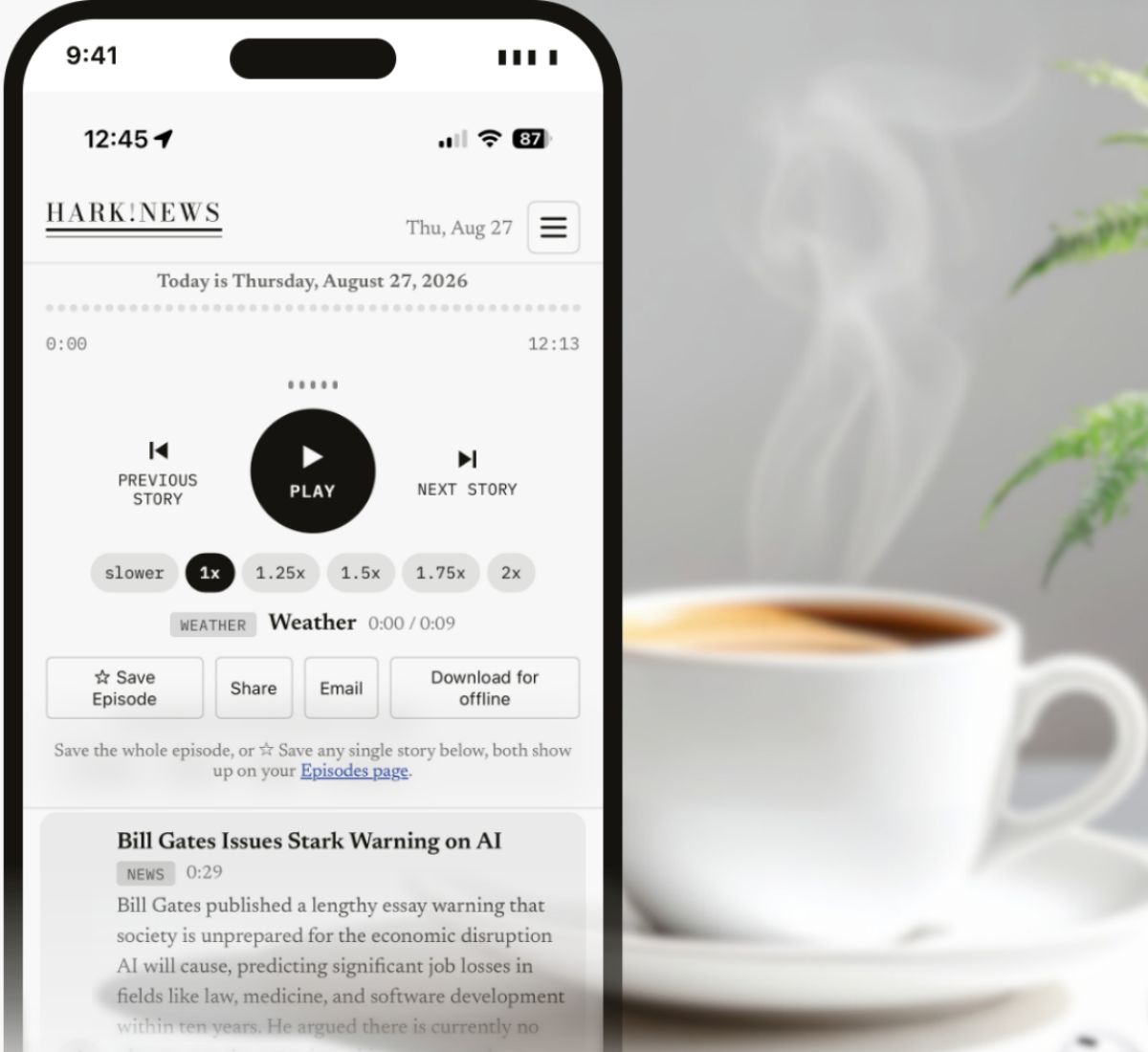
We handpick the best UX and product design newsletters and distill key news and insights into a 5-minute audio briefing, texted to you every morning.
Try the UX & Product Design BriefingFreeSee the 6 newsletters we handpicked

At a glance
UX & Product Design at a Glance
The federal occupation covering most of this work, web developers and digital designers, numbers 220,100 and grows 5 percent to 2035, with about 13,600 openings a year; digital interface designers specifically earn a median of $104,000. The honest addition is that junior hiring has tightened considerably, so this is a solid profession with a competitive front door rather than the open field it was.
The work is wider than drawing screens, which is the misconception that both attracts and disappoints people. Product designers own how something works, including the states nobody puts in a case study. User researchers run the studies that decide what should be built at all. Design systems specialists build the components every other designer works inside. Content designers own the words, which carry more of the experience than most interfaces admit. Accessibility specialists make the result usable by people the rest of the process forgot.
Entry has no required credential, which is unusual for a well-paid technical profession: BLS lists a bachelor's as typical while noting that entry education ranges from a high school diploma upward. Designers arrive from graphic design at a median of $62,960, from psychology, from front-end development at $135,980, and from support and marketing. The shift reshaping the field is that production has become cheap, which has hollowed out the apprenticeship and moved the premium toward deciding what to make, research, accessibility and systems work.
The numbers that matter
220,100
Web developer and digital designer jobs in the United States (2025)U.S. Bureau of Labor Statistics
$104,000
Median annual pay for web and digital interface designers (May 2025)U.S. Bureau of Labor Statistics
+5%
Projected growth for web developers and digital designers, 2025 to 2035U.S. Bureau of Labor Statistics
13,600
Projected openings per year in the occupation to 2035U.S. Bureau of Labor Statistics
Job titles
- Junior Product Designer
- UX Designer
- Product Designer
- Design Systems Designer
- Staff Designer
- Head of Design
Who hires
- Software companies
- Enterprise platforms
- Banks and insurers
- Retail and ecommerce
- Agencies and studios
- Government digital services
Credentials
- No required credential
- A portfolio that shows reasoning
- Bachelor's degree (typical, not mandatory)
- Accessibility knowledge
- One design tool in depth
- Research competence
Where design careers are built
Product design
How the thing works, including every state nobody shows.
User research
Finding out what is true before anyone builds it.
Design systems
The components everyone else works inside. The most leverage.
Content design
The words, which carry more of the experience than the layout.
Accessibility
A legal requirement, a quality floor and a small, in-demand field.
Design leadership
The team, the standards and the argument for the function.
UX & Product Design Jobs & Salaries
Design does not have a single federal occupation code, so the table uses the codes the work is recorded under and the neighbours that mark its boundaries. Read it as a range rather than a ladder: at large technology employers, senior designers sit well above the top row once equity is counted.
Graphic designers
$62,960
Web developers
$92,650
Web and digital interface designers
$104,000
Software developers
$135,980
Computer and information systems managers
$175,140
Source: US Bureau of Labor Statistics, Occupational Outlook Handbook (May 2025 pay, 2025 to 2035 projections), May 2025 pay data.
UX & Product Design Career Paths
Three directions from a shared foundation, and the choice is about what you want your leverage to be: the products themselves, the evidence behind them, or the people making them. The individual contributor routes keep you making things for as long as you want.
- Junior Product Designer0 to 2 yearsCraft, states and learning the system
- Product Designer2 to 5 yearsOwning a feature area end to end
- Senior Product Designer5 to 9 yearsAmbiguous problems and cross-team work
- Staff or Principal Designer9 or more yearsDirection, patterns and quality across a product
Credential that fits No credential; a portfolio that shows reasoning rather than polish
The salary table uses federal codes that do not map cleanly onto design titles. Web and digital interface designers at $104,000 is the closest match, and senior designers at large technology employers earn well above it.
A Typical Day in UX & Product Design Jobs
Four roles across the field, ordered from the most junior to the most senior, chosen to show how much of this work is conversation rather than drawing. The schedules are representative composites.
Junior Product DesignerEntry-LevelBuilds the craft, mostly on well-defined problems, and learns where the system's edges are.
- 9:00Pick up feedback from yesterday's critique and work through it
- 10:30Design the states nobody asked for: empty, error, loading, too long
- 12:00Check the component exists before building a new one
- 13:30Sit in on a research session and take notes properly
- 15:00Walk an engineer through the handoff and discover two gaps
- 16:30Tidy the file so somebody else can open it
Product DesignerMid-LevelOwns a feature area, and spends more of the day arguing about the problem than drawing the solution.
- 9:00Analyse yesterday's usability sessions against what you expected
- 10:30Rework the flow, because two people failed at the same step
- 12:00Push back on a requirement that is a solution in disguise
- 13:30Critique: present, get interrupted, change your mind about one thing
- 15:00Pair with engineering on what is cheap and what is expensive
- 16:30Write the decision down so it survives the next reorganisation
Design Systems DesignerMid-LevelWorks for other designers, which means adoption matters as much as the component.
- 9:00Triage requests for new components, most of which already exist
- 10:30Build the component properly, including every state and token
- 12:00Test it with a keyboard and a screen reader, not just a checker
- 13:30Office hours with two product teams about adoption
- 15:00Document it, because an undocumented component gets rebuilt
- 16:30Chase the deprecation nobody has migrated off
Head of DesignSenior-LevelOwns the team and the argument for the function, and designs much less than they expected.
- 8:30Read, because nobody is going to brief you on your own field
- 9:30Portfolio reviews for an open senior role
- 11:00Quality review across teams, and one hard conversation about it
- 13:00Make the case for research headcount in financial terms
- 15:00One-to-ones, which at this level are mostly about growth
- 16:30Decide what the team will stop doing next quarter
Job guide
How to Get a UX or Product Design Job in 2026
What the work asks of you, the skills employers screen for, and the questions you will be asked. The three tabs split the same guide by experience, because what gets a junior designer hired is not what gets a staff designer hired.
Entry-Level
Breaking Into Design
The front door is harder than it was, and the portfolio is the whole screen. Show reasoning on a real problem, and consider the less contested doors: design systems and accessibility.
What to Know About the Field
The facts that should shape your first applications.
No Required Credential, and the Portfolio Is the Screen
BLS lists a bachelor's degree as typical entry for the occupation covering this work while noting that entry education ranges from a high school diploma upward, which is unusual among well-paid technical professions. Employers screen on the portfolio and the interview, and designers routinely arrive from graphic design, at a median of $62,960, from research disciplines and from front-end development.
Sources: US Bureau of Labor Statistics, Web Developers and Digital DesignersUS Bureau of Labor Statistics, Graphic Designers
Steady Growth, With a Competitive Front Door
Web developers and digital designers number 220,100 and are projected to grow 5 percent to 2035, with about 13,600 openings a year at a median of $99,520, and digital interface designers specifically at $104,000. That is a healthy profession, and it is not an open market at the junior end, where hiring has tightened considerably.
Source: US Bureau of Labor Statistics, Web Developers and Digital Designers
Accessibility Is a Requirement, Not a Refinement
Semantic structure, keyboard operability, contrast, visible focus and text alternatives are both a legal obligation in most markets and a quality floor. Designing for them from the first sketch is the only affordable approach, because retrofitting means rebuilding, and automated checkers catch only a minority of real problems.
Source: US Bureau of Labor Statistics, Web Developers and Digital Designers
The Neighbouring Codes Set Your Negotiating Range
Graphic designers sit at a median of $62,960 and are projected to decline 2 percent, while software developers sit at $135,980 and grow 10 percent. Product designers work alongside the second group and are frequently benchmarked against the first, which is the single most useful thing to know when discussing pay.
Sources: US Bureau of Labor Statistics, Graphic DesignersUS Bureau of Labor Statistics, Software Developers, Quality Assurance Analysts, and Testers
Skills Employers Hire For
What actually gets a first design job.
Craft, Including the States Nobody Shows
Empty, error, loading, offline, permission denied, and the content that is three times longer than the mockup. Portfolios show the happy path; products are mostly everything else.
Design Systems Thinking
Working inside components rather than around them, knowing when a new pattern is justified, and understanding that adoption is a people problem rather than a file problem.
Accessibility in Practice
Semantics, keyboard operation, contrast and focus, tested with a screen reader rather than only an automated tool. A small specialism with real demand and little competition.
Prototyping to Test
Building the smallest thing that can be put in front of a person this week. Faster feedback beats better fidelity in almost every situation.
Interview Questions and Answers
What you will be asked as a junior or career changer.
Walk me through this project, and expect interruptions.
What they are looking for: Whether the decisions were yours.
I lead with the problem and the constraint, name the option I rejected and why, and say what happened after it shipped including the part that did not work.
Make it yours: Rehearse being interrupted. A polished uninterruptible narrative reads as rehearsed rather than lived.
Show me the unglamorous parts of your work.
What they are looking for: Whether your portfolio is a gallery.
Error states, the edge cases, the specification the engineers actually used, and the component documentation.
Make it yours: Have these ready as a second layer. Most candidates only bring the hero shots.
What would you do first in your first month here?
What they are looking for: Whether you start with learning.
Watch real users, read the support tickets, and find out which decisions already have an owner before proposing anything.
Make it yours: Support tickets is the answer hiring managers remember.
When does design get involved here?
What they are looking for: This one is yours to ask them.
If the answer is after the requirements are written, the job is production regardless of the title, and the portfolio you build there will show it.
Make it yours: Ask for the last example rather than the intention.
Mid-Level
Advancing in Design
The middle is where you stop being handed solutions and start questioning the problem. Research competence, systems judgement and the ability to argue well with engineers are what separate this rung from the one below.
What to Know About the Field
What shapes the move from executing to deciding.
The Neighbouring Codes Set Your Negotiating Range
Graphic designers sit at a median of $62,960 and are projected to decline 2 percent, while software developers sit at $135,980 and grow 10 percent. Product designers work alongside the second group and are frequently benchmarked against the first, which is the single most useful thing to know when discussing pay.
Sources: US Bureau of Labor Statistics, Graphic DesignersUS Bureau of Labor Statistics, Software Developers, Quality Assurance Analysts, and Testers
Steady Growth, With a Competitive Front Door
Web developers and digital designers number 220,100 and are projected to grow 5 percent to 2035, with about 13,600 openings a year at a median of $99,520, and digital interface designers specifically at $104,000. That is a healthy profession, and it is not an open market at the junior end, where hiring has tightened considerably.
Source: US Bureau of Labor Statistics, Web Developers and Digital Designers
Accessibility Is a Requirement, Not a Refinement
Semantic structure, keyboard operability, contrast, visible focus and text alternatives are both a legal obligation in most markets and a quality floor. Designing for them from the first sketch is the only affordable approach, because retrofitting means rebuilding, and automated checkers catch only a minority of real problems.
Source: US Bureau of Labor Statistics, Web Developers and Digital Designers
No Required Credential, and the Portfolio Is the Screen
BLS lists a bachelor's degree as typical entry for the occupation covering this work while noting that entry education ranges from a high school diploma upward, which is unusual among well-paid technical professions. Employers screen on the portfolio and the interview, and designers routinely arrive from graphic design, at a median of $62,960, from research disciplines and from front-end development.
Sources: US Bureau of Labor Statistics, Web Developers and Digital DesignersUS Bureau of Labor Statistics, Graphic Designers
Skills Employers Hire For
What hiring managers read at this level.
Running Research Honestly
Giving tasks rather than asking opinions, staying quiet while somebody struggles, and analysing against what you expected so the disconfirming findings survive.
Front-End Literacy
Enough understanding of how things are built to know what you are asking for. It changes how engineers receive your work more than any tool or process does.
Explaining a Decision
Framing a choice in terms of the problem and the constraint rather than taste, to people who were not in the room. The skill that decides who gets the ambiguous problems.
Critique, Given and Taken
Separating the decision from the designer, and changing your mind in public when the argument is good. The habit that makes a design team better than the sum of its people.
Interview Questions and Answers
What a mid-level loop turns on.
Design a solution for this on the whiteboard.
What they are looking for: Whether you ask before you draw.
I spend the first few minutes on who this is for, what they are trying to do and what the constraint is, then sketch two directions rather than one.
Make it yours: Two directions with a stated trade-off beats one polished answer every time.
Tell me about disagreeing with a product manager or engineer.
What they are looking for: Collaboration under tension.
They wanted a solution specified as a requirement. I asked what outcome it was for, proposed a cheaper way to get it, and we tested both. Theirs won on one measure and mine on another.
Make it yours: A story where you were partly wrong is more convincing than one where you won.
How do you know this worked?
What they are looking for: Whether you measure anything.
Task completion in testing before launch, then the support volume and the drop-off at the step people were failing on. The second number moved less than I expected.
Make it yours: Quote a real number and admit where the result was weaker than hoped.
How do you handle accessibility?
What they are looking for: Whether it is a habit or an audit.
From the first sketch: structure, keyboard order, contrast and focus, then a test with a screen reader. Retrofitting means rebuilding, which is the expensive way to find out.
Make it yours: Mention testing with a keyboard. It separates practice from policy.
Senior-Level
Leading in Design
Senior work is ambiguity and leverage: a direction rather than a screen, a pattern everyone adopts, a research finding that redirects a roadmap, or a team that is better than you were at their stage.
What to Know About the Field
What the senior market rewards.
Leadership Pay Sits Outside the Design Codes
Design leadership in technology organisations is generally counted with computer and information systems managers, at a median of $175,140 with five years or more of related experience as typical entry. That is above every individual contributor code this work is recorded under, which is worth knowing before assuming management is the only way up.
Source: US Bureau of Labor Statistics, Computer and Information Systems Managers
The Neighbouring Codes Set Your Negotiating Range
Graphic designers sit at a median of $62,960 and are projected to decline 2 percent, while software developers sit at $135,980 and grow 10 percent. Product designers work alongside the second group and are frequently benchmarked against the first, which is the single most useful thing to know when discussing pay.
Sources: US Bureau of Labor Statistics, Graphic DesignersUS Bureau of Labor Statistics, Software Developers, Quality Assurance Analysts, and Testers
Steady Growth, With a Competitive Front Door
Web developers and digital designers number 220,100 and are projected to grow 5 percent to 2035, with about 13,600 openings a year at a median of $99,520, and digital interface designers specifically at $104,000. That is a healthy profession, and it is not an open market at the junior end, where hiring has tightened considerably.
Source: US Bureau of Labor Statistics, Web Developers and Digital Designers
Accessibility Is a Requirement, Not a Refinement
Semantic structure, keyboard operability, contrast, visible focus and text alternatives are both a legal obligation in most markets and a quality floor. Designing for them from the first sketch is the only affordable approach, because retrofitting means rebuilding, and automated checkers catch only a minority of real problems.
Source: US Bureau of Labor Statistics, Web Developers and Digital Designers
Skills Employers Hire For
What a staff or leadership search screens for.
Explaining a Decision
Framing a choice in terms of the problem and the constraint rather than taste, to people who were not in the room. The skill that decides who gets the ambiguous problems.
Critique, Given and Taken
Separating the decision from the designer, and changing your mind in public when the argument is good. The habit that makes a design team better than the sum of its people.
Design Systems Thinking
Working inside components rather than around them, knowing when a new pattern is justified, and understanding that adoption is a people problem rather than a file problem.
Running Research Honestly
Giving tasks rather than asking opinions, staying quiet while somebody struggles, and analysing against what you expected so the disconfirming findings survive.
Interview Questions and Answers
What a senior panel asks.
How would you measure the design team's impact?
What they are looking for: Senior thinking about the function.
Tie it to outcomes the business already tracks, completion, conversion, support volume, retention, and report the failures alongside the wins, because a team that only reports wins is assumed to be measuring nothing.
Make it yours: Offering to report failures is unusual and lands well.
When is a new component justified?
What they are looking for: Systems judgement.
Rarely. Usually the need is a variant of something that exists, and the honest answer is that the existing one needs an option rather than the system needing another entry.
Make it yours: Being reluctant is the right posture and most candidates are not.
How do you know this worked?
What they are looking for: Whether you measure anything.
Task completion in testing before launch, then the support volume and the drop-off at the step people were failing on. The second number moved less than I expected.
Make it yours: Quote a real number and admit where the result was weaker than hoped.
Tell me about disagreeing with a product manager or engineer.
What they are looking for: Collaboration under tension.
They wanted a solution specified as a requirement. I asked what outcome it was for, proposed a cheaper way to get it, and we tested both. Theirs won on one measure and mine on another.
Make it yours: A story where you were partly wrong is more convincing than one where you won.
Why UX & Product Design Professionals Need to Stay Informed
AI, emerging design tools, and changing user expectations are reshaping UX and product design. Staying informed helps designers build relevant skills, create better experiences, and stay competitive as the industry evolves.
The bottom line
UX & Product Design Is Evolving Fast. Stay Ahead.
Five percent growth to 2035 and about 13,600 openings a year describe a steady profession with a competitive entry point. Inside that, the premium has moved from producing interfaces to deciding what should exist, which is the half of the job that newsletters and research writing actually help with.
Stay Informed with Hark's UX & Product Design Briefing
How it works
Pick the newsletters you want
Choose from our handpicked list, or add your own. See the picks
We subscribe you properly
Each one arrives at your own private Hark address, never your inbox.
We read them so you do not have to
Every issue is distilled into one short script each morning.
You listen on the way in
A text arrives with a link. Five minutes, then you are current.
The 6 UX & Product Design Newsletters We Handpicked
TLDR Design
TLDR
- Free
- Weekdays
- 320k readers
A free weekday email from the TLDR newsletter network curating design and UI/UX links, tools, trends, and inspiration in a five-minute read.
Why UX & product designers read it
The fastest of the six. Daily headlines across design, tooling and industry news, which is enough to notice something before deciding whether to read it.
More about this newsletter
Part of the TLDR family of tech newsletters, it delivers a short, link-driven digest of product design news, tools, and inspiration every weekday. The signup page advertises a 5-minute read and states 320,000 readers. Free, ad-supported like the other TLDR titles.
Sidebar
UX Collective
- Free
- Weekdays
A daily email of the five best design links of the day, founded by Sacha Greif and now maintained by UX Collective.
Why UX & product designers read it
Five links a day, chosen with unusually good taste and no commentary. The purest curation on this list and the easiest habit to keep.
More about this newsletter
Sidebar delivers exactly five hand-picked design links every weekday, spanning UX, typography, design systems, AI, and front-end topics, each with a one-line description. Founded by Sacha Greif in 2012, it wound down in 2023 and was revived under UX Collective stewardship; the site shows current August 2026 issues. Free, with archives browsable by date.
See the other 4 newsletters
Nielsen Norman Group Newsletter
Nielsen Norman Group
- Free
- Weekly
Weekly email from UX research firm Nielsen Norman Group with its evidence-based UX articles, videos, course dates, and job openings.
Why UX & product designers read it
Research-backed rather than opinion-led, and the antidote to a diet of trends. The source to reach for when you need evidence rather than a point of view.
More about this newsletter
Nielsen Norman Group, the consultancy founded by Jakob Nielsen and Don Norman, sends a weekly digest of its new research-backed UX articles and videos plus upcoming courses. The content is the firm's own primary research and guidance rather than curated links. Signup is an inline form on the nngroup.com homepage; there is no dedicated signup page.
UX Collective Newsletter
UX Collective (Fabricio Teixeira)
- Free
- Weekly
- 135k readers
The web's largest design publication distills its best new thinking on UX and product design into a weekly digest read by well over 100,000 designers.
Why UX & product designers read it
The profession's most-read weekly essay collection, and the best place to follow the arguments designers are having about the craft itself.
More about this newsletter
UX Collective is the web's largest design publication, and its weekly digest distills the best new writing on UX and product design from thousands of contributors. Over 135,000 subscribers get it. A reliable filter for a field that publishes far too much.
The Smashing Newsletter
Smashing Magazine
- Free
- Weekly (Tuesdays)
- 182k readers
Smashing Magazine's letter for web designers and developers, packed with practical techniques, tooling finds, and thoughtful takes on building for the web.
Why UX & product designers read it
The most practical of the six, strongest on implementation detail, accessibility and the front-end side of design work that most design writing leaves to somebody else entirely.
More about this newsletter
Smashing Magazine's Tuesday newsletter packs practical front-end and UX techniques, tooling finds, and design thinking into a dense, useful email. It has run for more than 570 issues and claims over 182,000 subscribers. Working web designers keep it because the tips are immediately usable.
UX Design Weekly
Kenny Chen
- Free
- Weekly
- 41k readers
A hand-picked weekly list of UX design articles, tools, resources, and portfolio spotlights curated by designer Kenny Chen since 2014.
Why UX & product designers read it
A short, consistent weekly roundup with a long memory for case studies and process writing, which is the material a portfolio actually benefits from.
More about this newsletter
Every Monday, curator Kenny Chen sends a hand-picked set of the best UX links of the week: articles, tools, resources, and a portfolio spotlight. Recent issues (600+ published) cover topics like AI in UX and design leadership. The site states 41,255 subscribers and includes a full archive and job board.
You May Also Like
- Product ManagersYour closest counterpart, and the person you will argue with most productively. They own the problem and the outcome; you own how it works.
- Software EngineersWho build what you design, at a median of $135,980. Involving them while the work is still changeable is the highest-return habit in this job.
- MarketersDesign's other audience inside a company, and a common origin story. Conversion, messaging and brand decisions constrain the interface more than designers expect.
- Content CreatorsAdjacent craft with a shared toolkit and a different distribution model. A realistic second income or a full career change for designers who like making in public.
Frequently Asked Questions
Entry-Level
What does a UX or product designer do, and what does a typical workday look like?
The job is deciding how a product should work and then proving it, which is less about making screens than most people expect. A typical day has a research session or the analysis of one, time in the design file working through states nobody thought about, a critique with other designers, a conversation with engineers about what is actually buildable this quarter, and a longer argument with a product manager about what problem is being solved. The visible output is an interface; the actual output is a set of decisions somebody can build.
Is UX and product design a good career in 2026 and beyond?
It is a good career and a harder market than it was, and both halves of that deserve saying. The federal code the work sits under, web developers and digital designers, numbers 220,100 and grows 5 percent to 2035 with about 13,600 openings a year, at a median of $99,520, and digital interface designers specifically earn $104,000. Hiring has tightened at the junior end in particular, so the realistic framing is a solid profession with a competitive entry point rather than the open field it was a few years ago.
How do you become a UX or product designer with no experience?
By solving a real problem for someone and documenting how you did it. The portfolio is the credential in this field, and what it needs to show is reasoning rather than polish: what the problem was, what you learned, what you tried, what you changed and what happened. Volunteer work, a small business, an internal tool at your current employer and open source projects all count. Redesigning a famous app unprompted does not, because everyone has one and none of them contain a real constraint.
Do you need a degree to work in UX or product design?
No. This is one of the few well-paid technical professions where there is no required credential and no dominant one. BLS lists a bachelor's degree as the typical entry level for the code, and notes that the field's entry education in practice ranges from a high school diploma upward. Designers arrive from graphic design, psychology, anthropology, front-end development, marketing and support, and employers screen on the portfolio and the interview rather than on the transcript.
What skills do UX and product designers need to succeed?
The craft, which is interaction and visual competence including the states nobody shows in a case study. Research, enough to run a usability session honestly and to interpret it without reading in what you hoped. Systems thinking, because almost all product work now happens inside a design system. Accessibility, which is both a legal requirement and a quality floor. And the one that decides careers: the ability to explain a decision to people who did not make it, in terms of the problem rather than the aesthetics.
What are the best entry-level UX and product design jobs?
Junior or associate product designer, UX designer at an agency, design roles inside enterprise software teams, and design systems or production support roles, which are underrated because they teach the craft in detail and have less competition. Adjacent entry points that lead into design reliably: user research assistant, front-end development, and customer support at a company with a complicated product, where you learn more about users than most research programmes produce.
How much do UX and product designers earn at different career levels?
The federal code gives a median of $99,520 for web developers and digital designers, with web and digital interface designers specifically at $104,000. In practice an entry-level product designer sits below that figure, a mid-level designer around or above it, and senior and staff designers at large technology employers well above it, particularly once equity is counted. The neighbouring codes mark the boundaries: graphic designers at $62,960 and software developers at $135,980.
Mid-Level
What is the difference between UX design, UI design, and product design?
UX design is the broader discipline of how a product works: research, flows, information architecture and interaction. UI design is the visible surface, the layout, type, colour and components that carry it. Product design is the title most employers now use for a role that covers both plus a share of the product thinking, which is why the job description asks for strategy, research and a design system all in one person. In practice at most companies the three words describe one job with different emphases.
Which UX design certifications, courses, and bootcamps are worth pursuing?
A small number of structured courses are genuinely good and none of them are a credential in the way a professional certification is elsewhere. The honest test is whether a programme makes you solve real problems with real constraints and gives you critique from working designers, because that is the part you cannot do alone. The bootcamp market has become considerably harder to justify at current junior hiring levels, so weigh the cost against a market where the portfolio, not the certificate, is what gets read.
How do you build a UX or product design portfolio that attracts employers?
Three or four projects, each told as a decision rather than a gallery. State the problem and the constraint, show what you learned, show the option you rejected and why, and say what happened after it shipped including the part that did not work. Include the unglamorous artefacts: the error states, the empty states, the edge cases, the accessibility considerations. Hiring managers read for judgement, and judgement is only visible where there was a trade-off.
How do you prepare for a UX or product designer job interview?
Expect a portfolio presentation, a craft or whiteboard exercise, and a collaboration conversation. The portfolio round is the one that decides it: you will be interrupted and asked why, and the panel is testing whether the decisions were yours and whether you can defend them without becoming defensive. The whiteboard exercise rewards asking clarifying questions before designing anything. Prepare one story about disagreeing with an engineer or a product manager and how it resolved.
What are the different career paths in UX and product design?
Four directions. Generalist product design is the mainstream and the most employable. Design systems is the specialism with the clearest ladder and the most leverage, because your work is used by every other designer. Research splits off into its own career and is where the hardest questions live. Design management runs the team, the hiring and the standards. Content design and accessibility specialism are smaller fields with real demand and much less competition.
What design tools should UX and product designers learn in 2026?
One interface design tool deeply rather than three superficially, including components, variables and whatever its prototyping model is, because interviews often happen inside it. Then a prototyping approach good enough to test an interaction rather than a static flow. Then enough front-end literacy to know what you are asking engineers for, which changes how your work is received more than any tool. Research and analytics tooling matters more as you get senior, when the question becomes whether it worked.
How do UX designers conduct user research and usability testing?
Decide the question first, because most bad research is a well-run study of the wrong thing. For usability, five participants doing real tasks with a prototype will find most of the serious problems, provided you give tasks rather than opinions and keep quiet while people struggle. For discovery, interviews about what people actually did rather than what they would do. Then analyse against what you expected, and write up what disconfirmed it, because the findings that change a product are the uncomfortable ones.
Senior-Level
How are AI and automation changing UX and product design careers?
It has compressed production dramatically. Generating variations, first-pass layouts, copy, imagery and even working prototypes is far faster than it was, which removes a lot of what junior designers were employed to do and is a genuine problem for the entry rung. The federal projection for the code is 5 percent growth to 2035 with about 13,600 openings a year, which is positive and modest, and the composition within it is shifting toward people who decide what to make rather than people who make it.
What AI design tools should UX and product designers learn to stay competitive?
Learn the ones embedded in the tool you already use, because that is where they will actually affect your work: generation, variation, content fill and the layout assistance built into interface design software. Then prototyping tools that turn a description into something testable, which is the highest-leverage use of this technology in design, because testing an idea earlier is worth more than drawing it faster. Treat the output as a draft to critique rather than a result, which is the professional skill in using any of it.
Will AI replace UX and product designers or create new career opportunities?
Create, but not evenly, and the entry rung is genuinely exposed. What is being automated is production, and production was the apprenticeship: the way junior designers used to learn craft was by making a great many screens. What is not automated is deciding what should exist, understanding people well enough to know what to build, holding the quality line, and being accountable for an outcome. The work will be fine. Getting into it is the part that has got harder.
How do product designers collaborate with product managers and engineers?
By being in the conversation before the solution is decided, which is a relationship question rather than a process one. With product managers, the productive split is that they own the problem and the outcome, you own how it works, and both of you argue about the boundary. With engineers, the single highest-return habit is involving them while the design is still changeable, because they will tell you what is cheap and what is expensive, and that is usually the most useful constraint available.
How can UX designers improve accessibility and design inclusive digital products?
By treating it as a design constraint from the first sketch rather than an audit at the end, which is also the only way it is affordable. The practical core is small: semantic structure, keyboard operability, sufficient contrast, visible focus, text alternatives, and not using colour alone to carry meaning. Test with a keyboard and a screen reader rather than only an automated checker, because the automated tools catch a minority of real problems. The standard to work to is the Web Content Accessibility Guidelines, and the reason is both legal and obvious.
How can UX and product designers advance into senior, principal, and design leadership roles?
By moving from executing well to deciding what should be executed. Senior designers are trusted with ambiguity: handed a problem rather than a brief, and expected to return a direction. Principal and staff roles are about leverage, a design system, a pattern everyone adopts, a research finding that redirects a roadmap. The management ladder is a different job rather than a promotion, and the federal data puts technology management at a median of $175,140, above every individual contributor code in this field.
How should design leaders build effective teams and measure the business impact of UX and product design?
Build for the problems the organisation actually has: a product with a hundred screens needs a design system and a quality bar more than it needs more designers. Hire for judgement and communication, because craft is the easiest gap to close. On impact, resist vanity measures and tie the function to outcomes the business already tracks, conversion, completion, support volume, time to task, retention, and report the failures alongside the wins, because a design team that only reports successes is eventually assumed to be measuring nothing.
Get Tomorrow's Product Designer Briefing
The pattern you are about to invent was written up, with its failure modes, last Tuesday.