Restaurant Management Career Guide
Explore restaurant management jobs & salaries. Learn how to become a restaurant manager and stay current on AI, labor costs, & industry trends.
Top Restaurant Industry News in 5 Minutes
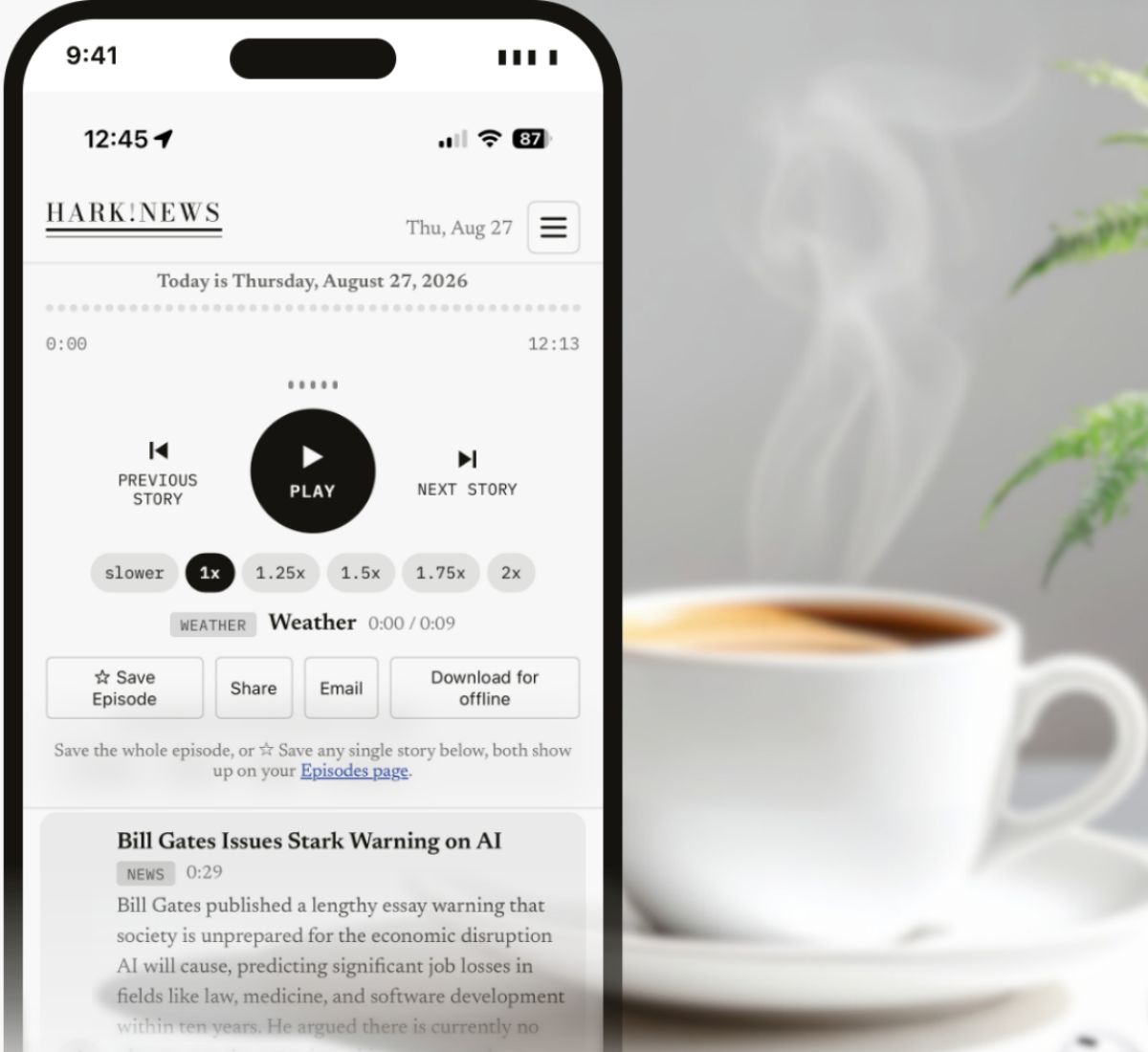
We handpick the best restaurant industry newsletters and distill key news and insights into a 5-minute audio briefing, texted to you every morning.
Try the Restaurant Briefing, FreeFreeSee the 6 newsletters we handpicked

At a glance
Restaurant Management at a Glance
Restaurant management is a large occupation with an open door and a thin margin. Food service managers numbered 344,300 in 2025 at a median of $69,390, projected to grow 6 percent through 2035, about 19,900 additional jobs. The typical entry-level education is a high school diploma, and the route is almost entirely internal: the kitchen and the floor produce the managers. Below the management line, chefs and head cooks earned $62,470 across 220,300 jobs and waiters and waitresses $35,230. Above it, multi-unit and district roles are counted as general and operations managers at $105,770 and company leadership as chief executives at $213,990. What the medians do not show is the structure of the job: a business where the controllable costs, food and labour together, run around two thirds of every dollar through the till.
Key Industry Statistics
344,300
Food service manager jobs (2025)US Bureau of Labor Statistics
$69,390
Median pay for food service managersUS Bureau of Labor Statistics
+6%
Projected growth, 2025 to 2035US Bureau of Labor Statistics
$62,470
Median pay for chefs and head cooksUS Bureau of Labor Statistics
Common roles
- Shift lead
- Assistant manager
- Kitchen manager
- General manager
- District manager
- Franchisee
Where they work
- Quick service chains
- Fast casual
- Full-service independents
- Hotel restaurants
- Contract and institutional
- Multi-unit franchise groups
What decides pay
- Format and ticket average
- Volume of the site
- Bonus structure
- Number of units held
- Market and geography
Key Areas in Restaurant Management
Cost Control
Food and labour together, which is the part of the business you actually control.
Scheduling
Matching hours to a forecast rather than to how last week felt.
Service & Standards
Speed, consistency and what happens when an order goes wrong.
Food Safety
Certification, temperature discipline and surviving an unannounced inspection.
Menu & Pricing
Engineering the menu so the profitable items are the ones ordered.
Hiring & Retention
The most expensive recurring cost in the industry, usually treated as weather.
Restaurant Management Jobs & Salaries
Federal wage data measures occupations rather than restaurant job titles, so this ladder is read as the codes a restaurant career passes through. All figures are median annual wages for May 2025. Bonus, which is a real part of most general manager packages, appears in none of them.
Waiters and waitresses
$35,230
Chefs and head cooks
$62,470
Food service managers
$69,390
General and operations managers
$105,770
Chief executives
$213,990
Source: US Bureau of Labor Statistics, Food Service Managers, May 2025, accessed October 2026.
Restaurant Management Career Paths
Four routes, starting from either side of the pass, converging on a single general manager post, and then forking between running sites for somebody else's capital and risking your own.
- Server or Bartender0 to 2 yearsThe operation at the table, and the first real sense of what a badly run shift feels like from the guest's side.
- Shift Lead1 to 3 yearsRunning a service, cutting staff at the right hour, and handling the complaint nobody wants.
- Assistant Manager3 to 5 yearsScheduling, hiring and the first exposure to the numbers behind the shift.
- General Manager5 years and upThe whole site, including the half of it that happens in the kitchen and is hardest to judge from the floor.
Credential that fits Food handler card; alcohol service certification
There is no federal occupation code for an assistant manager, a kitchen manager, a district manager or a franchisee. Single-site managers are counted as food service managers, multi-unit roles generally as general and operations managers, and owners as chief executives or not at all, which is why the wage ladder is shorter than the career.
A Typical Day in Restaurant Management Jobs
Five roles from the first shift you are responsible for to a portfolio of sites you visit rather than run.
Shift LeadEntry-Level · Front of HouseRunning a service rather than working one, and discovering how much of the job is other people not arriving.
- 10:30Opening checks, temperature logs, and a call-out for the lunch shift you now have to cover.
- 11:30Pre-shift: the specials, the eighty-six list, the two large bookings and who has which section.
- 13:00The rush. You are expediting, bussing and apologising, and the office is a place you have not been.
- 15:00Cutting staff as covers drop, which is the first real labour decision anyone lets you make.
- 16:30Handover to the evening lead, with the till, the issues and the thing that broke.
Kitchen ManagerMid-Level · Back of HouseFood cost, the rota and the standard, with service happening around you twice a day.
- 08:00Deliveries checked against the order and the invoice, which is where most food cost is silently lost.
- 09:30Prep list against today's forecast, and a weekly inventory count that nobody enjoys and everybody skips.
- 11:30Line check on every station before service, because a cold station at noon is an hour of complaints.
- 14:00Recipe costing for two menu changes, since the supplier moved and one dish has quietly stopped making money.
- 17:00Second service, on the pass, which is the part of the job that is still why you do it.
General ManagerSenior · Single SiteA profit and loss account, a team of thirty, and a week shaped entirely by who did not turn up.
- 09:00Last week's numbers: sales by daypart, food cost, labour percentage, and which of the two moved.
- 10:30Scheduling for the fortnight, built from a forecast rather than from last week's rota.
- 12:00On the floor for the lunch rush, because a general manager who is not visible at peak is not managing.
- 15:00Interviews, because you are three short and the agency cover is destroying the labour line.
- 18:00A supplier conversation about a price rise, then dinner service, then the deposit.
District ManagerSenior · Multi-UnitSix restaurants judged on the worst one, and a week spent mostly in a car.
- 07:30Dashboard across the portfolio: the two sites off plan, and whether it is market or management.
- 09:00Site visit. Walking it with the general manager rather than inspecting it at them.
- 12:00A difficult conversation about a manager who is not going to make it, and who could replace them.
- 14:30Second site, where the problem is a lease renewal and a car park rather than anything operational.
- 17:00Calls to the four general managers you did not see, which is the part that actually holds the district together.
Owner-OperatorSenior · OwnershipEvery decision and every consequence, with no one above you to escalate to.
- 08:00Cash position and the week's payables, which is the number that keeps owners awake rather than sales.
- 10:00An hour on the lease renewal with your lawyer, which will matter more to the next five years than any menu.
- 12:00Service, because you are also the floor manager today and that is the economics of a single site.
- 16:00Menu costing after a supplier increase, deciding what to reprice and what to absorb.
- 22:30Close, count, and the twenty minutes of reflection that is the only planning time the week allowed.
JOB SEARCH
How to Become a Restaurant Manager in 2026
Whether you are stepping up from a shift, moving between formats, or going after your first general manager post, the questions change at each stage. Pick yours.
Entry-Level
Start in Restaurant Management
What the route in actually requires, what the rungs below management pay, and what a first lead role is really measuring.
What you should know about the field
The way in, the pay below the management line, and the certification you will need.
The occupation, and how open the door is
Food service managers numbered 344,300 in 2025 at a median of $69,390, with a high school diploma listed as the typical entry-level education. Almost nobody arrives from outside; the floor and the kitchen produce the managers.
Source: US Bureau of Labor Statistics, Food Service Managers, May 2025
What the rungs below management pay
Chefs and head cooks had a median of $62,470 across 220,300 jobs, growing 7 percent. Waiters and waitresses had $35,230. Both are the usual starting points, and the kitchen route tends to produce better cost instincts.
Source: US Bureau of Labor Statistics, Chefs and Head Cooks, May 2025
Food safety certification is set locally
Most jurisdictions require a certified food protection manager on site, with food handler cards for staff, but the accepted certificate and renewal period are set by state and local health authorities rather than nationally.
Source: US Bureau of Labor Statistics, Food Service Managers, May 2025
The format changes the job more than the brand does
Quick service is a throughput business with a simple menu and tight standardisation. Full service carries a larger kitchen, alcohol margin and far more variance. Moving between them is a real transition rather than a lateral move.
Source: US Bureau of Labor Statistics, Food Service Managers, May 2025
Skills employers look for
What an operator checks in someone running their first shifts.
Running a shift from the floor
Being in the room, visible, and able to step into any station. Managers who run shifts from the office find out about problems from guests.
Source: US Bureau of Labor Statistics, Food and Beverage Serving and Related Workers, May 2025
Service recovery on the spot
Settling a failure at the table, in the moment, with authority already delegated to whoever is standing there.
Source: US Bureau of Labor Statistics, Food and Beverage Serving and Related Workers, May 2025
Health inspection readiness
Running to standard daily so an unannounced visit is uneventful. Preparation that happens the week before is visible to inspectors and to staff.
Source: US Bureau of Labor Statistics, Food Service Managers, May 2025
Inventory counted properly
Consistent counts, real recipe yields, and reconciling theoretical against actual usage. Without this the food cost number is a guess.
Source: US Bureau of Labor Statistics, Chefs and Head Cooks, May 2025
Interview questions and answers
Questions put to a shift lead or assistant manager candidate.
Walk me through how you would open on a Saturday.
What they are looking for: Practical competence and sequencing, especially for assistant and shift lead roles.
Temperatures and logs first, then the prep list against the forecast, then the schedule check for call-outs, then a line check on every station before service. Pre-shift with the team covers the eighty-six list, the special and the big tables. Then I am on the floor.
Make it yours: Lead with temperatures and logs. Candidates who start with the floor reveal their food safety habits immediately.
Tell me about a shift that went badly.
What they are looking for: Composure and ownership. Every manager has these and the ones who claim otherwise are not credible.
We lost the walk-in overnight and found out at ten. I called the supplier, cut the menu to eight items, briefed the floor to lead with it rather than apologise for it, and we did eighty percent of a normal Saturday. The mistake was mine: the temperature alarm had been muted for a fortnight.
Make it yours: Name your own contribution to the cause. That is the part that distinguishes the answer.
How do you handle a health inspection finding?
What they are looking for: Honesty and systems thinking. They are testing whether you blame a person.
Fix it in front of the inspector if it can be fixed, document it, and then ask why the system allowed it rather than who did it. We had a cooling violation that turned out to be a process problem: nobody had been taught the two-stage rule properly, so three people were doing it wrong identically.
Make it yours: End with the process change. A story that ends in a disciplinary reads badly to anyone who has run a kitchen.
What would you change in your first month here?
What they are looking for: Judgement and restraint. New managers who rearrange everything lose the team.
Nothing structural in the first two weeks except watching and working every station. Then one thing the team already complains about, to show it is possible. The commercial changes come after I can read a period here, because changing the menu before understanding the mix is how new managers lose a quarter.
Make it yours: Commit to one early visible fix. Pure listening reads as passivity in this industry.
Mid-Level
Run the Restaurant
The step from running shifts to owning the profit and loss account, and the cost discipline that decides whether you keep the job.
What you should know about the field
The number the job turns on, and how format changes it.
Prime cost is the number the job turns on
Cost of goods sold plus total labour as a percentage of sales. It is the part of the restaurant a manager controls weekly, while rent and insurance are fixed for the year, and it is what a multi-unit interview will ask about first.
Source: US Bureau of Labor Statistics, Food Service Managers, May 2025
The format changes the job more than the brand does
Quick service is a throughput business with a simple menu and tight standardisation. Full service carries a larger kitchen, alcohol margin and far more variance. Moving between them is a real transition rather than a lateral move.
Source: US Bureau of Labor Statistics, Food Service Managers, May 2025
Delivery is a different business through the same door
Commission on an already thin ticket changes the arithmetic item by item, and the packaging, the staff time and the errors remain yours. Operators who handle it well price and menu it separately.
Source: US Bureau of Labor Statistics, Food Service Managers, May 2025
The occupation, and how open the door is
Food service managers numbered 344,300 in 2025 at a median of $69,390, with a high school diploma listed as the typical entry-level education. Almost nobody arrives from outside; the floor and the kitchen produce the managers.
Source: US Bureau of Labor Statistics, Food Service Managers, May 2025
Skills employers look for
What separates a competent shift manager from a general manager.
Reading prime cost weekly
Not monthly. A portioning problem that starts in week one costs four weeks of margin if the first time anyone looks is at period close.
Source: US Bureau of Labor Statistics, Food Service Managers, May 2025
Scheduling against a forecast
Building the rota from predicted covers rather than from last week's rota. Most labour percentage problems are forecasting problems.
Source: US Bureau of Labor Statistics, Food Service Managers, May 2025
Inventory counted properly
Consistent counts, real recipe yields, and reconciling theoretical against actual usage. Without this the food cost number is a guess.
Source: US Bureau of Labor Statistics, Chefs and Head Cooks, May 2025
Hiring and keeping people
The most expensive recurring cost in the industry. Schedule predictability and a real first fortnight of training beat every retention initiative.
Source: US Bureau of Labor Statistics, Food Service Managers, May 2025
Interview questions and answers
Questions for a general manager post, where the subject is the business.
What was your prime cost last period, and what moved it?
What they are looking for: Whether you run the restaurant on numbers or on feel. Hesitation here ends most multi-unit interviews.
Sixty-two percent, against a target of sixty. Food was on plan; labour was two points over because we ran a full closing team on three slow weeknights after a schedule I built from the previous week rather than from the forecast. I changed the build order and it came back the following period.
Make it yours: Quote a real number including a bad one. A candidate who only has good periods is assumed to be making them up.
How would you reduce food cost by two points here?
What they are looking for: Order of operations. The weak answer starts with cheaper suppliers.
Waste and portioning first, because they cost nothing to fix and the guest never notices. Then a proper weekly count so theoretical and actual can be compared. Then menu engineering. I would look at suppliers last, because it is the smallest lever and the only one the guest tastes.
Make it yours: Put supplier change last and say why. That sequencing is the whole answer.
How do you handle turnover on a team?
What they are looking for: Whether you treat it as weather. The industry average is high and most managers have stopped trying.
I post schedules two weeks out, which sounds trivial and is the single biggest complaint in every exit conversation I have had. Then a real two-week training plan rather than shadowing. On my last site hourly turnover went from about ninety percent to the low sixties over a year.
Make it yours: Give a before and after figure. Retention claims without numbers are not believed.
How do you work with a kitchen manager who disagrees with you?
What they are looking for: Whether front and back of house can function. This relationship decides the restaurant.
I take it off the floor and into numbers. Most of these arguments are about whether a dish is costing or selling, and the ticket data usually settles it. What I do not do is overrule in front of the line, because that costs more than being right is worth.
Make it yours: Show you can lose an argument. A manager who always wins this one is describing a restaurant with no kitchen leadership.
Senior
Beyond One Restaurant
Managing managers rather than restaurants, and the three routes out: district leadership, franchising, and owning the place yourself.
What you should know about the field
What the steps above a single site pay and what they require.
Where the step above a single site is
District and multi-unit roles are counted as general and operations managers at a median of $105,770, and company leadership as chief executives at $213,990. Those are the honest sizes of the next two steps.
Source: US Bureau of Labor Statistics, Top Executives, May 2025
Prime cost is the number the job turns on
Cost of goods sold plus total labour as a percentage of sales. It is the part of the restaurant a manager controls weekly, while rent and insurance are fixed for the year, and it is what a multi-unit interview will ask about first.
Source: US Bureau of Labor Statistics, Food Service Managers, May 2025
Delivery is a different business through the same door
Commission on an already thin ticket changes the arithmetic item by item, and the packaging, the staff time and the errors remain yours. Operators who handle it well price and menu it separately.
Source: US Bureau of Labor Statistics, Food Service Managers, May 2025
The field is growing steadily, not explosively
Employment is projected to grow 6 percent from 2025 to 2035, about 19,900 additional jobs. Advancement therefore comes mostly from turnover above you, which in this industry is plentiful.
Source: US Bureau of Labor Statistics, Food Service Managers, May 2025
Skills employers look for
What is expected of someone accountable for several sites.
Menu engineering
Knowing contribution by item and designing the menu so that the profitable dishes are the ones people choose. The most underused lever in the business.
Source: US Bureau of Labor Statistics, Food Service Managers, May 2025
Hiring and keeping people
The most expensive recurring cost in the industry. Schedule predictability and a real first fortnight of training beat every retention initiative.
Source: US Bureau of Labor Statistics, Food Service Managers, May 2025
Reading prime cost weekly
Not monthly. A portioning problem that starts in week one costs four weeks of margin if the first time anyone looks is at period close.
Source: US Bureau of Labor Statistics, Food Service Managers, May 2025
Scheduling against a forecast
Building the rota from predicted covers rather than from last week's rota. Most labour percentage problems are forecasting problems.
Source: US Bureau of Labor Statistics, Food Service Managers, May 2025
Interview questions and answers
Questions for a multi-unit or ownership-track candidate.
What was your prime cost last period, and what moved it?
What they are looking for: Whether you run the restaurant on numbers or on feel. Hesitation here ends most multi-unit interviews.
Sixty-two percent, against a target of sixty. Food was on plan; labour was two points over because we ran a full closing team on three slow weeknights after a schedule I built from the previous week rather than from the forecast. I changed the build order and it came back the following period.
Make it yours: Quote a real number including a bad one. A candidate who only has good periods is assumed to be making them up.
What is your approach to delivery and third-party apps?
What they are looking for: Commercial literacy. Managers who treat delivery as free incremental sales are a liability.
I treat it as a separate channel with its own menu and its own prices, because the commission turns some of our best items into losers. I keep the items that travel and price for the margin we need after commission, rather than mirroring the dine-in menu and hoping.
Make it yours: Mention item-level margin after commission. Generic answers about extra sales miss the point.
What are your ambitions beyond this restaurant?
What they are looking for: Retention risk, and whether they are training a successor or a leaver.
District management eventually, and I know that means proving I can turn a difficult site around rather than run a good one well. I would expect two or three years here to do that, and I would rather be straight about it than pretend otherwise.
Make it yours: Say the real ambition with a timeline. Pretending to have none is less convincing than a plan they can work with.
How do you handle turnover on a team?
What they are looking for: Whether you treat it as weather. The industry average is high and most managers have stopped trying.
I post schedules two weeks out, which sounds trivial and is the single biggest complaint in every exit conversation I have had. Then a real two-week training plan rather than shadowing. On my last site hourly turnover went from about ninety percent to the low sixties over a year.
Make it yours: Give a before and after figure. Retention claims without numbers are not believed.
Why Restaurant Managers Need to Stay Informed
Rising food and labor costs, AI-powered tools, and shifting customer expectations are transforming the restaurant industry. Staying informed helps restaurant managers embrace new technology, improve efficiency, control costs, and make smarter decisions that drive profitability.
Read more
The specific reason is that your two controllable costs are set outside your building. Commodity prices, wage legislation and delivery commission structures all change elsewhere and arrive as an invoice. A few weeks of warning is the difference between repricing a menu and absorbing a quarter.
The bottom line
Running a Restaurant Takes More Than Great Food.
A median of $69,390 and 6 percent growth describe a steady, open occupation. The variance is in the operator: two managers with the same sales and different prime cost discipline end the year in completely different positions.
Stay Informed with Hark's Restaurant Management Briefing
How it works
Curated from the best newsletters
Hark's editorial team handpicks the sources worth following. See how we rank
Distilled into one briefing
Six sources become a single five-minute read of what actually changed.
Texted to you every morning
It arrives before the first delivery, at a time you choose.
Links back to the original
Every item names its source, so you can read the full piece when it matters.
The 6 Restaurant Management Newsletters We Handpicked
Restaurant Dive
Industry Dive
- Free
- daily
Daily trade news on restaurant operations, labor, technology and the chains setting the pace.
Why restaurant managers read it
The trade daily for operators: labor costs, delivery economics, technology rollouts and what the large chains are testing a year before it reaches an independent kitchen. It reads your job as a business rather than a cuisine, which almost nothing else written about restaurants does.
More about this newsletter
Eater Today
Eater (Vox Media)
- Free
- Daily
Eater's daily consumer food news brief on restaurant openings, industry stories, and dining culture, the only true wire-style daily food digest, from Vox Media's food newsroom.
Why restaurant managers read it
The daily wire of openings, closings and who is expanding. Useful less for the stories than for the pattern: what is happening to restaurants like yours, in markets like yours.
More about this newsletter
Eater Today is the daily digest from Vox Media's food newsroom, rounding up restaurant openings, closings, industry news, and dining culture. It is the closest thing food media has to a wire-service daily. Vox does not publish subscriber figures for individual newsletters.
Best for: Industry watchers and diners who want a daily wire-service-style roundup of restaurant openings, closings, and dining culture.
See the other 4 newsletters
Nation's Restaurant News
Informa Connect
- Free
- daily
The restaurant industry's long-running trade title: menus, operations, finance and the people running the business.
Why restaurant managers read it
The industry's long-running title, strongest on the money and the people: who is expanding, who is quietly closing, and what franchisees are asked to pay for. It is how you learn the market you compete in, not just your own four walls.
More about this newsletter
Bon Appétit newsletter
Condé Nast
- Free
- Daily
Recipes, restaurant coverage, and Test Kitchen cooking advice from Bon Appétit magazine, daily.
Why restaurant managers read it
Consumer food trends before they arrive on your menu. Menu development is the lever most managers hold and use least deliberately, and this is the cheapest way to see what diners will start asking for next season.
More about this newsletter
Bon Appétit's newsletter delivers the magazine's recipes, restaurant coverage, and cooking advice from the Test Kitchen that made it a digital juggernaut. It is polished, trend-aware service journalism for people who cook and eat out. Condé Nast does not publish subscriber figures.
Best for: Home cooks and diners who want polished, trend-aware recipes and restaurant coverage from a Test Kitchen-backed digital juggernaut.
Axios Markets
Axios
- Free
- Daily (weekdays)
A morning markets wire from Axios covering stocks, the economy, and business news in quick Smart Brevity bullets each weekday.
Why restaurant managers read it
Wages, food prices and the rate environment in a few minutes a day. Your two largest cost lines are set by conditions this covers, and almost nothing else you read will connect them to each other.
More about this newsletter
Axios Markets applies the Smart Brevity formula to money: a handful of market-moving stories each morning, each compressed to the facts, the numbers, and why it matters. Ideal when you want the markets story count of a terminal with the reading time of a text message.
Best for: Busy readers who want the day's market-moving stories compressed to the facts and why they matter, Smart Brevity style.
The Saturday Solopreneur
Justin Welsh
- Free
- Weekly (Saturdays)
- 200k readers
One short Saturday essay on building a lean one-person internet business, from a $10M solopreneur.
Why restaurant managers read it
Not a restaurant title and not pretending to be. It is the small-business half of the job: pricing, hiring, and the discipline of a business that depends on the owner's time.
More about this newsletter
Justin Welsh built a multimillion-dollar one-person business and documents the playbook in a single short essay every Saturday morning: monetizing expertise, audience building, and designing work around your life. The voice is direct and anti-hustle-culture in a specifically solopreneur way, promising about four minutes of reading with no fluff. Best for aspiring and current solo founders, creators, and consultants. Note the brand has been evolving toward 'The Saturday Essay' with broader money-freedom-work themes.
Best for: Aspiring and current solo founders who want a direct, anti-hustle-culture playbook on monetizing expertise and building an audience in about four minutes of reading.
You May Also Like
- Hotel ManagementThe same cost discipline across a bigger building and a longer clock, with rooms revenue carrying the margin that food and beverage rarely does.
- Hotel & HospitalityThe wider industry, including the brand, development and sales roles that a restaurant career does not normally touch.
- EntrepreneursWhere the ownership half of this career leads, and a useful read before signing a lease you cannot get out of.
- Supply ChainFood cost is a procurement problem before it is a kitchen one, and this is that discipline done properly.
Frequently Asked Questions
Entry-Level
What does a restaurant general manager actually do?
Owns the result of one restaurant: sales, cost, service, safety and staffing. In practice that means the schedule, the order, the shift, the complaints and whatever broke. The federal occupation is food service manager, median $69,390 in May 2025 across 344,300 jobs, growing 6 percent to 2035. Unlike most management jobs it is physical and it is on the floor, and a manager who spends the shift in the office is usually managing a restaurant that is about to have a problem.
Can you become a restaurant manager without a college degree?
Yes, and most do. The Bureau of Labor Statistics lists a high school diploma as the typical entry-level education for food service managers. The route is almost always internal: server or line cook, shift lead, assistant manager, general manager. A hospitality degree helps with the large chains' management training programmes and matters very little after your first general manager post.
How long does it take to move from restaurant employee to general manager?
Commonly three to six years, and faster in quick service than in full service because the operations are simpler and the turnover above you is higher. What determines the speed is not time served but whether you have been given the schedule and the order, because those two responsibilities are what the step actually consists of. Ask for them early, before the title.
How much do restaurant general managers earn, including bonuses?
The federal median for food service managers was $69,390 in May 2025. Most general manager packages add a bonus tied to sales, to prime cost or to a scorecard, typically in the range of a few thousand to a meaningful share of salary, which the federal data does not capture. Multi-unit and district roles are counted as general and operations managers at $105,770, which is the honest size of the step out of a single restaurant.
What is the difference between an assistant restaurant manager and a general manager?
An assistant manager runs shifts. A general manager runs the business: the profit and loss account, the hiring, the ordering relationships, the schedule across the week rather than within a day. The step is not more of the same work; it is the first time the question is whether the restaurant made money rather than whether the shift went well.
What experience do restaurant chains look for when hiring managers?
Numbers you can quote and retention you can prove. A chain wants to know your food cost, your labour percentage, your turnover and your health inspection history, and it wants to hear them without hesitation. Systems experience matters practically, since every chain runs its own stack, but it is learnable in a fortnight and your retention record is not.
How do you prepare for a restaurant management job interview?
Eat there first, at a busy time, and notice three specific things. Bring your own numbers: sales, prime cost, labour percentage, turnover, and the one you improved most. Expect to be asked about a shift that went badly, and have a real one ready. Then ask what their prime cost target is and what their hourly turnover looks like, because those two answers tell you whether the job is survivable.
Mid-Level
What is the difference between managing a full-service restaurant and a quick-service restaurant?
Speed, complexity and where the margin comes from. Quick service is a volume and throughput business with a simpler menu, tighter standardisation and management attention focused on speed of service and labour deployment. Full service has higher ticket averages, a larger and more skilled kitchen, alcohol margin, and far more variance in both service and cost. Neither is a junior version of the other, and moving between them is harder than it looks.
What does a restaurant manager need to know about profit-and-loss statements?
Enough to find the problem without an accountant. Sales by daypart, cost of goods sold as a percentage, labour as a percentage, the two of them together as prime cost, then the fixed costs you cannot change this month: rent, insurance, utilities. The discipline is reading it weekly rather than monthly, because a month is too long to discover that a portioning problem started in week one.
What is prime cost, and why is it important in restaurant management?
Prime cost is cost of goods sold plus total labour, expressed as a percentage of sales. It matters because it is the part of the restaurant you actually control day to day, while rent and insurance are fixed for the year. Most operators work to a target in the region of sixty to sixty-five percent of sales, varying by format, and a restaurant that holds its prime cost target is usually profitable almost regardless of what else is happening.
How do restaurant managers control food costs without sacrificing quality?
By attacking waste, portioning and theft before touching ingredients. Count inventory properly and weekly, use recipe cards with real yields, watch the waste bin, and reconcile what the point of sale says you sold against what the kitchen used. Changing to a cheaper supplier is the visible lever and usually the smallest one, and it is the only one the guest notices.
What is a healthy labor cost percentage for a restaurant?
It depends on the format and anyone who gives you one number is selling something. Quick service runs leaner than full service, and a restaurant with high alcohol sales carries labour differently from one with a large kitchen. The useful discipline is not the national benchmark but your own: know your percentage by daypart, know which shifts are consistently over, and schedule against a forecast rather than against last week.
How do restaurant managers improve profitability when food and labor costs rise?
In order: menu engineering, so the items with the best contribution are the ones people order; portion and waste control, which is free; scheduling precision against forecast demand; and only then price. Price increases work and they are also the lever with the longest memory, because guests notice and compare. The mistake is cutting labour first, which reduces service, which reduces sales, which makes the percentage worse.
How do restaurant managers reduce employee turnover and improve retention?
Scheduling predictability, a functioning training programme, and removing the one shift lead everybody is avoiding. Turnover in this industry is extremely expensive and almost entirely treated as weather. The managers who fix it generally do three unglamorous things: post schedules further ahead, train properly in the first two weeks, and act on the complaint everybody has already made.
Senior
What food safety certifications do restaurant managers need?
Requirements are set by state and local health authorities rather than nationally, and most jurisdictions require at least one certified food protection manager on site, with food handler cards for staff. Check your own health department rather than a national summary, because the specific certificate accepted and the renewal period both vary. Whatever the rule, the operational answer is the same: have more than one certified person, because people leave.
Which restaurant POS, inventory, and scheduling systems should managers know?
Whichever ones your market uses, and in practice employers care more that you have run a full stack than which brand. The three that matter are the point of sale, an inventory and recipe costing tool, and a scheduling and labour system. The transferable skill is understanding how they connect: a point of sale that does not talk to inventory means your theoretical food cost is fiction.
How are AI and automation changing restaurant operations?
Most concretely in forecasting and scheduling, where demand prediction is genuinely better than a manager's memory of last week, and in ordering and drive-thru voice systems in quick service. Back of house automation is slower and more oversold than the coverage suggests. The operator's question for each is whether it reduces labour hours or merely moves them, and what the recovery looks like on the day it misreads a rush.
How do delivery apps and online ordering affect restaurant profitability?
They add volume at a materially lower margin, and the arithmetic is specific to each restaurant. A commission on a ticket that was already thin can turn a profitable item into a loss-making one, and the packaging, the staff time and the errors are yours. Most operators who do this well treat delivery as a separate business with its own menu and its own prices, rather than as extra sales through the same door.
What are the biggest challenges of managing multiple restaurant locations?
You stop managing restaurants and start managing managers, which is a different skill nobody trains for. The specific difficulties are consistency without being present, hiring general managers rather than hourly staff, and resisting the urge to run the weakest site yourself. Multi-unit roles are generally counted as general and operations managers, median $105,770 in May 2025.
What should restaurant managers know before opening or buying their own restaurant?
That the restaurant is the easy part and the lease is not. Know the real capital requirement including six months of working capital, the lease terms and who is responsible for what, the licensing timeline in your jurisdiction, and the break-even sales figure before you sign anything. Buying an existing operation with real books is usually lower risk than building, and far less interesting, which is why fewer people do it.
How can restaurant general managers advance into district management, franchising, or restaurant ownership?
District management is the internal route and goes to the managers who turned a difficult site around and can explain how. Franchising is the capitalised route: a brand, a system and a lender, and it is a financing decision as much as an operating one. Independent ownership is the hardest and the one with the only unlimited upside. All three start the same way, with a manager who can read a profit and loss account and prove they held prime cost through a bad year.
Get Tomorrow's Restaurant Management Briefing
Six sources, one briefing, five minutes a morning. Enough to see the cost coming before it reaches the invoice.