Hotel & Hospitality Career Guide
Explore hotel and hospitality jobs, salaries, and career paths. Get job search and interview tips, and stay current on hotel industry news and trends.
How we research our career guides
The Top Hotel & Hospitality News, in 5 Minutes.
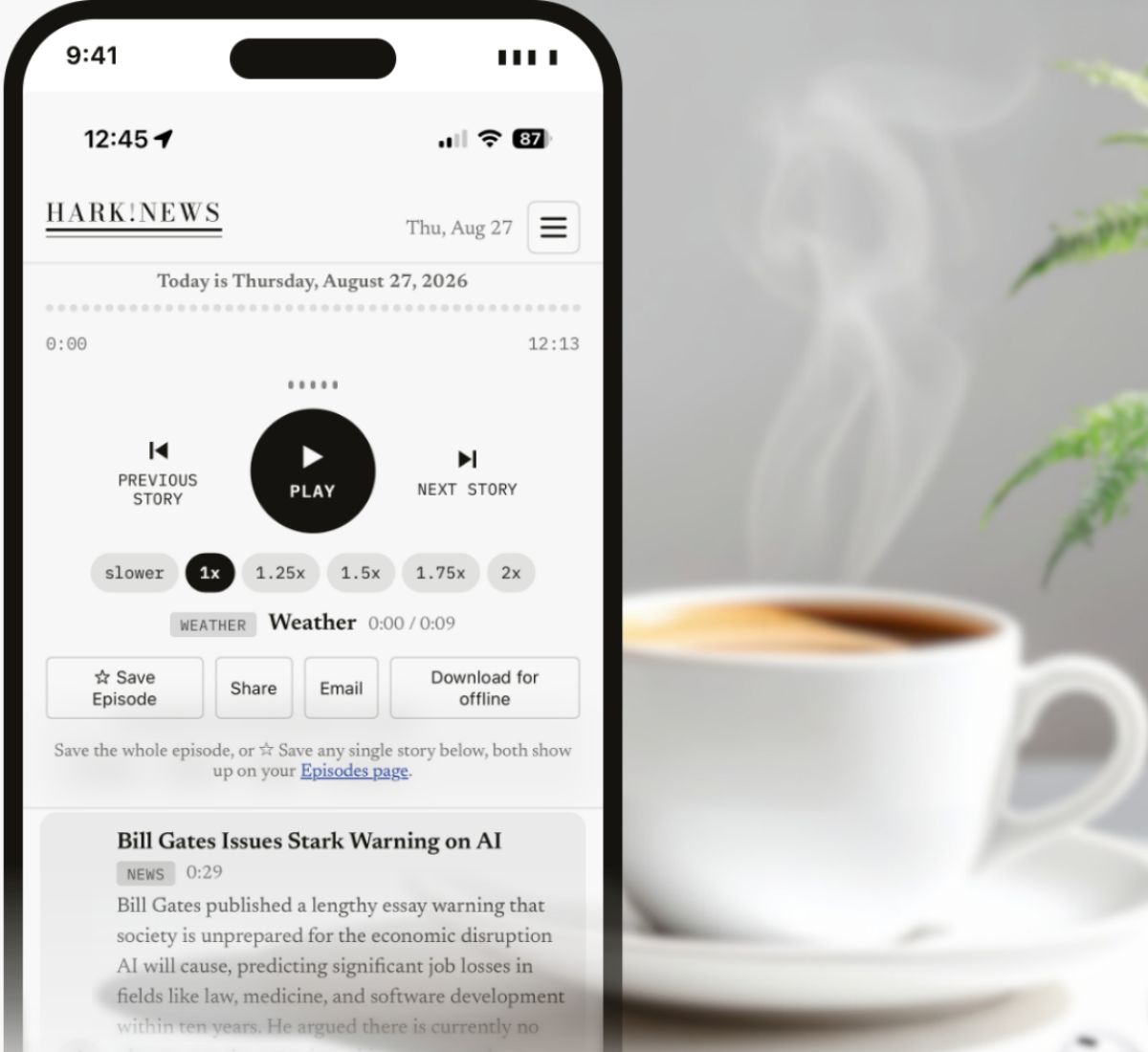
We handpick the best hotel and hospitality newsletters and distill the most important news into a 5-minute audio briefing, delivered by text every morning.
Try Our Hotel & Hospitality BriefingFreeSee the 6 newsletters we handpicked

At a glance
Hotel & Hospitality at a Glance
Hospitality is a large industry with a small management layer, and the careers inside it reach well beyond the front desk. The federal count of lodging managers is only about 54,800, while food service managers number about 344,300 and event planners about 172,100, which tells you something useful: most hospitality careers are built across departments rather than inside one. The field spans rooms and front office, food and beverage, revenue management and pricing, sales and events, housekeeping and engineering, and the asset management and development side that decides what gets built at all.
Pay reflects scope rather than tenure. Lodging managers earn a median of $69,250 and food service managers $69,390, while general and operations managers, the occupation most multi-property and corporate hospitality leaders are counted in, earn a median of $105,770. The industry rewards an unusually broad set of strengths: the commercial instinct of revenue management, the operational stamina of running a department, and the emotional work of handling people on the worst day of their trip.
Entry barriers are low and that is genuinely the point. Lodging manager roles typically ask for a high school diploma and fewer than five years of related experience, which is why hospitality is one of the few industries where a career can still start at the front desk and reach a general manager's office. The credentials that matter, such as the industry's own certifications, are earned while working.
The numbers that matter
54,800
Lodging manager jobs in the United States (2025)U.S. Bureau of Labor Statistics
$69,250
Median annual pay for lodging managers (May 2025)U.S. Bureau of Labor Statistics
5,500
Projected annual lodging manager openings, 2025 to 2035U.S. Bureau of Labor Statistics
$105,770
Median pay for general and operations managers (May 2025)U.S. Bureau of Labor Statistics
Job titles
- Front Office Manager
- Revenue Manager
- Director of Sales
- Food and Beverage Manager
- Hotel General Manager
- Area General Manager
Who hires
- Hotel brands
- Management companies
- Hotel owners and REITs
- Resorts and casinos
- Restaurant groups
- Conference venues
Credentials
- CHA from AHLEI
- Revenue management training
- Food safety certification
- Brand operating standards
- Hospitality degree
- Second language
Where hospitality careers are built
Rooms and front office
The operational spine, and the most common route to general manager.
Revenue management
Pricing and inventory, the most commercial job in a hotel.
Food and beverage
The hardest margin in the building and the best operations training.
Sales and events
Group business, corporate accounts and the banqueting calendar.
Asset and development
What gets built, bought, renovated and branded.
Brand and corporate
Standards, openings and support across a portfolio.
Hotel & Hospitality Jobs and Salaries
Four federal occupation codes cover most management work in hospitality. They are not one ladder: event planning, food service and rooms are parallel entries, and the general management code is where multi-property and corporate leaders end up. Pay is the national median.
Meeting, convention and event planners
$61,160
Lodging managers
$69,250
Food service managers
$69,390
General and operations managers
$105,770
Source: US Bureau of Labor Statistics, Occupational Outlook Handbook (May 2025 pay, 2025 to 2035 projections), May 2025 pay data.
Hotel & Hospitality Career Paths
Hospitality is four tracks that converge on one job. Rooms, food and beverage, commercial and asset side all produce general managers, but they produce different ones, and the track you spend your first decade in shapes what kind of operator you become.
- Front Desk Agent0 to 2 yearsCheck-in, guest recovery and the property management system
- Front Office Manager2 to 5 yearsA shift team, standards and guest satisfaction scores
- Director of Operations5 to 10 yearsRooms, housekeeping and engineering together
- General Manager10 or more yearsThe whole property, its people and its profit and loss
Credential that fits The Certified Hotel Administrator from AHLEI is the recognised general manager credential
There is no federal occupation code for a hotel area or regional director; those roles are counted among general and operations managers, which is why the salary table above does not separate them.
A Typical Day in Hotel & Hospitality Jobs
Four roles that carry much of the management headcount in a hotel, ordered from the most junior to the most senior. The schedules are representative composites rather than one person's diary, and the thing to notice is how the unit of attention widens from a guest to a shift to a building.
Front Office ManagerEntry-LevelRuns the shift that every guest passes through, and absorbs most of what goes wrong.
- 6:45Handover from night audit: overbooking position, VIPs and anything unresolved
- 8:00Work the desk through checkout, because that is when the queue and the complaints are
- 10:30Rebook a guest the hotel cannot accommodate, and own the conversation
- 12:00Rota for next week, against a team that is one person short
- 14:00Walk arrivals rooms with housekeeping before the afternoon check-in wave
- 16:00Brief the evening shift and hand over the open issues
Revenue ManagerMid-LevelDecides what the rooms sell for, every day, and defends it to sales and the owner.
- 8:00Review overnight pickup against forecast and competitor rates
- 9:30Adjust pricing for the dates where demand moved, and document why
- 11:00Commercial meeting: argue for holding rate on a weekend sales wants to discount
- 13:30Rebuild the month-end forecast with the group pipeline updated
- 15:00Review channel mix and what the distribution cost is actually doing
- 16:30Prepare the owner's weekly commercial summary
Food and Beverage ManagerMid-LevelOwns the hardest margin in the building and the most volatile labour.
- 8:30Yesterday's covers, spend per head and the variance on cost of sales
- 10:00Walk the kitchen for food safety and check deliveries against invoices
- 11:30Rota and agency cover for a banquet the sales team confirmed late
- 13:00Lunch service on the floor, because presence is the management tool here
- 15:00Menu costing with the chef against a supplier price increase
- 18:00Dinner service, and the guest recovery that only the manager can do
Hotel General ManagerSenior-LevelAnswers to an owner and a brand at the same time, with one building to do it with.
- 7:30Morning stand-up: occupancy, arrivals, VIPs and anything broken
- 9:00Profit and loss review with finance, usually about labour and energy
- 10:30Brand standards audit preparation, which is never as ready as it looks
- 12:00Walk the property properly, including the areas nobody shows visitors
- 14:00Owner call on the capital plan and a renovation that will take rooms out
- 16:00Department heads, mostly about recruitment and retention
Job guide
How to Get a Job in the Hotel & Hospitality Industry in 2026
What the work asks of you, the skills employers screen for, and the questions you will be asked. The three tabs split the same guide by experience, because what gets a front office supervisor hired is not what gets a general manager hired.
Entry-Level
Starting Out in Hospitality
The first years are about reliability, composure in front of guests and learning the building. Hospitality promotes people it has watched, so showing up well matters more here than a polished CV.
What to Know About the Industry
The facts that should shape your first moves.
No degree is required to progress
Lodging manager roles typically ask for a high school diploma and fewer than five years of related experience. This is one of the last industries where the ladder genuinely starts at the bottom, so the right first job is the one that teaches you the most, not the one with the best title.
Food and beverage has six times the openings
There are about 344,300 food service managers against 54,800 lodging managers, at almost identical median pay of $69,390 and $69,250. If you want management experience sooner, food and beverage is statistically the easier door.
Sources: US Bureau of Labor Statistics, Food Service ManagersUS Bureau of Labor Statistics, Lodging Managers
Events is a separate career you can switch into
Meeting, convention and event planners are a distinct occupation of about 172,100 people at a median of $61,160, growing six percent to 2035. It moves between hotels, venues and corporates more freely than operational roles.
Source: US Bureau of Labor Statistics, Meeting, Convention and Event Planners
Certification exists and is earned on the job
The industry's educational institute administers exams for nearly thirty association-trademarked designations. Because most hospitality managers did not take a hospitality degree, these are the normal way to evidence knowledge you picked up working.
Skills Employers Hire For
What gets a first supervisory offer.
Composure with guests
The job is performed in public. Staying level while something goes wrong, in front of paying customers, is visible within one trial shift and cannot be faked.
Showing up reliably
Hospitality runs on rotas and short notice. Being the person who is there and on time is a far bigger differentiator in this industry than in most.
Property management system fluency
Whichever system the hotel runs, being quick and accurate in it removes friction from every shift and gets noticed by the people who write rotas.
Willingness to cross departments
Covering a shift in another department teaches you the building and builds the goodwill that makes a supervisory role work later.
Interview Questions and Answers
What you will be asked early in a hospitality career.
Why hospitality?
What they are looking for: A reason that survives the hours.
I like work where the result is immediate and visible. In my last job the part I enjoyed was the difficult customer who left satisfied, and hospitality is that repeatedly. I also looked at the industry seriously: it is one of the few where you can start on the desk and end up running the property, and the entry requirements for management back that up rather than it being a story.
Make it yours: Say what you actually liked, not that you are a people person.
How do you deal with a rude guest?
What they are looking for: Composure and a method.
Let them finish, because interrupting doubles the length of it, then repeat the specific problem back so they know it landed. Then fix what can be fixed and be honest about what cannot. What I avoid is apologising repeatedly without doing anything, which reads as a brush-off. If it becomes abusive toward me or the team I would involve a manager, and I would not take it personally afterwards.
Are you comfortable with evenings, weekends and holidays?
What they are looking for: A straight answer, because they need one.
Yes, and I would rather be clear about it now. Hotels do not close, and the shifts that are hardest to cover are the ones where you learn the most and get noticed. I would want to understand the rota pattern so I can plan around it, but I am not expecting a weekday job.
Make it yours: Only say yes if it is true. This is the commonest regret in the industry.
Tell me about a time you worked under pressure.
What they are looking for: Prioritisation from any setting.
A service where we lost two staff to illness on a busy night. We triaged: everything that touched a guest waiting got done first, everything else slipped. I also told tables honestly that service would be slower rather than letting them wonder, and almost nobody minded once they knew. The lesson was that managing the expectation was worth more than the few minutes we could claw back.
Mid-Level
Moving Up in Hospitality
Mid-career is where you stop being judged on your shift and start being judged on numbers. The people who progress are the ones who learn the commercial half of the building.
What to Know About the Industry
What shapes the decisions you now face.
The general manager step is a narrow one
About 54,800 lodging manager posts exist with roughly 5,500 openings a year and four percent growth. Waiting your turn is a weak plan; breadth across departments and willingness to relocate are what actually produce the step.
Breadth beats depth in this industry
Because the general manager job spans rooms, food and beverage and the commercial side, employers favour managers who have worked across at least two. A deep specialist in one department is often passed over for a broader colleague.
The certification is aimed at exactly this step
The Certified Hotel Administrator is designed for general managers and senior executives, and the educational institute administers nearly thirty association designations alongside it. Taking it mid-career is the standard way to signal readiness.
Real money is in the multi-property step
General and operations managers, where area and regional roles are counted, have a median of $105,770 against $69,250 for lodging managers. The jump is not within the property, it is beyond it.
Sources: US Bureau of Labor Statistics, Top ExecutivesUS Bureau of Labor Statistics, Lodging Managers
Skills Employers Hire For
What separates a department head from a future general manager.
Owning a profit and loss
Not just reading one. Forecasting your department, explaining the variance and being accountable for flow-through is the threshold competence for the next job.
Commercial fluency
Understanding occupancy, rate, channel cost and group pace well enough to argue with the revenue manager rather than receive their output.
Developing supervisors
General managers are selected partly on whether their people are promotable. A department that produces supervisors is a visible credential.
Capital project literacy
Scoping a refurbishment, understanding what taking rooms out of service costs and managing contractors around a live operation.
Interview Questions and Answers
Mid-career interviews test commercial judgement and people leadership.
Walk me through your department's profit and loss.
What they are looking for: Genuine ownership, not familiarity.
I would start with the top line and what drives it, then labour as a percentage of revenue, which is the number I manage weekly, then cost of sales and the controllables. The line I watch hardest is flow-through, because it tells you whether extra revenue actually reached the bottom. In my current department we run labour around a target I agreed with finance, and when we miss it I can usually point at the specific week and the reason.
Make it yours: Know your own percentages. Vagueness here ends the interview.
How have you handled a difficult team member?
What they are looking for: Willingness to act.
A long-serving supervisor whose standards had slipped and who the team had started working around. I was direct about the specific behaviours rather than the general impression, set out what had to change and by when, and documented it. It improved for a while and then did not, and we parted company. The thing I would do differently is start sooner, because the team had been carrying it for months before I addressed it.
How do you work with revenue management when you disagree?
What they are looking for: Commercial maturity.
With data rather than instinct, because they have more of it than I do. If I think we are pricing wrong for a date I will bring what I am seeing on the ground, group enquiries, a competitor event, something the system cannot see, and ask them to look again. I have been right and I have been wrong. What I avoid is going around them to the general manager, because that relationship is worth more than one weekend's rate.
Would you relocate for a general manager role?
What they are looking for: Realism about how the step happens.
Yes, and I think treating that as optional is why a lot of people stall. There are only a few thousand of these openings a year nationally, so insisting on one city narrows it to almost nothing. I would want the property to be one I can learn from, but geography is not the constraint I would choose to impose on myself.
Senior-Level
Leading a Hotel
At this level you answer to an owner and a brand at once, with one building and a workforce to satisfy both. The job is capital, people and the profit and loss, in that order of difficulty.
What to Know About the Industry
The questions that now land on your desk.
Your pay is set beyond the property
Lodging managers have a median of $69,250, while general and operations managers, where area and corporate roles sit, reach $105,770 across about 3.6 million jobs. The economics of this career favour moving above a single building.
Sources: US Bureau of Labor Statistics, Lodging ManagersUS Bureau of Labor Statistics, Top Executives
Labour is the structural constraint, not demand
Across hospitality the management occupations grow between four and six percent to 2035, which is steady. The binding problem is staffing the operation beneath them, which is why retention is a general manager's commercial responsibility rather than an HR one.
Sources: US Bureau of Labor Statistics, Lodging ManagersUS Bureau of Labor Statistics, Food Service Managers
The certification is a general manager credential
The Certified Hotel Administrator is explicitly aimed at general managers and senior executives, and it is the common signal for people competing for area and corporate roles.
Food and beverage is where your margin leaks
With about 344,300 food service managers in the market at a comparable median, the talent exists, but it is the department where cost of sales and labour move fastest. Most general managers who get into trouble do so here rather than in rooms.
Source: US Bureau of Labor Statistics, Food Service Managers
Skills Employers Hire For
What a general manager is actually hired to do.
Managing owner and brand together
Two principals with different interests. Keeping both satisfied, and knowing which to escalate to when they conflict, is the defining senior skill.
Capital planning
Building the case for a refurbishment, sequencing it around occupancy and defending the return to an owner.
Building a management team
Your output is your heads of department. The general managers who move up are the ones whose people get promoted.
Protecting the operation in a downturn
Cutting without destroying service or losing the staff you will need when demand returns. The judgement is learned the hard way.
Interview Questions and Answers
Senior interviews are about ownership, capital and people.
How do you balance owner returns against brand standards?
What they are looking for: Whether you can hold two principals at once.
By being explicit about which conflicts are real. Most are not: a well-run property satisfies both. Where they genuinely diverge, usually a capital standard the owner does not want to fund, I would quantify the consequence of not doing it, the audit risk, the guest scores, the eventual cost of deferral, and put that in front of the owner rather than absorbing the conflict myself. The failure mode is a general manager who hides it from one side until it becomes a crisis.
Make it yours: Use a real disagreement and say how it resolved.
Tell me about a turnaround you led.
What they are looking for: Diagnosis and sequencing.
A property losing share with poor guest scores and high turnover. I spent the first weeks finding out whether the problem was the product or the operation, and it was mostly the operation: the rota was unstable, two departments were not speaking and standards had drifted. We fixed the rota first, because nothing else is possible with a team that is leaving. Scores moved within a quarter, rate followed, and the capital work we eventually did landed on a stable base rather than papering over it.
How do you manage labour cost when you are short staffed?
What they are looking for: Honesty about the real trade.
Short staffing is usually more expensive than being properly staffed, once you count agency, overtime, turnover and the guest scores. So I would not treat vacancies as a saving. I would protect the guest-facing shifts, use agency deliberately rather than as an emergency, and spend on retention where it actually works, which in my experience is rota predictability and dealing with bad managers rather than pay alone.
What would your first ninety days look like here?
What they are looking for: Restraint and a real diagnostic.
Shifts across all departments and all times, including nights, because that is where a property's real condition shows. I would read the guest feedback, the profit and loss and the last brand audit, and talk to the heads of department about what they have asked for and not got. By the end of the period I would want a clear view of whether this is a product problem or an operating one, which determines everything. I would not restructure before that.
Why Hotel & Hospitality Professionals Need to Stay Informed
Guest expectations, technology, AI, travel demand, and new approaches to pricing and revenue management are continually changing how hotels operate and compete. Staying informed helps you look beyond your day-to-day role, understand the business more broadly, learn how leading hotel companies and operators are responding to change, and develop the industry knowledge needed to take on greater responsibility.
The bottom line
To grow in hospitality, you need to understand how the industry is changing.
There are only about 54,800 lodging manager posts and roughly 5,500 openings a year, so the step into running a property is genuinely competitive. What distinguishes the people who get there is rarely longer service. It is understanding the commercial side of the building well enough to be trusted with its profit and loss.
Stay Informed with Hark's Hotel & Hospitality Briefing
How it works
Pick the newsletters you want
Choose from our handpicked list, or add your own. See the picks
We subscribe you properly
Each one arrives at your own private Hark address, never your inbox.
We read them so you do not have to
Every issue is distilled into one short script each morning.
You listen on the way in
A text arrives with a link. Five minutes, then you are current.
The 6 Hotel & Hospitality Newsletters We Handpicked
Hotel Dive (Daily Dive)
Informa TechTarget
- Free
- Daily (weekdays)
Daily hotel industry news for operators and executives, covering brands, technology, finance and deals, workforce, regulation, operations, marketing and consumer trends.
Why hotel & hospitality professionals read it
The briskest daily on the whole industry: brands, technology, deals, workforce and regulation. The sensible default if you want one read that covers the business rather than one department.
More about this newsletter
Hotel Dive applies Industry Dive's brisk trade-news format to hotels, describing itself as must-read insight and analysis for hotel industry executives. It is the best single daily for someone who needs the whole industry rather than one discipline.
Best for: Anyone working in hotels who wants one short daily covering the whole industry.
Skift: Early Check-In
Skift
- Free
- Weekly (Thursdays)
A weekly briefing on hotels and hospitality from Skift, curated by senior hospitality editor Sean O'Neill.
Why hotel & hospitality professionals read it
Skift's hotel-specific weekly, written for people inside the business. More analysis of owners, brands and deals than a news roundup carries, and it rewards slower reading.
More about this newsletter
Skift's hotel-specific briefing, separate from its general travel daily. Sean O'Neill writes it for people inside the hotel business, with more analysis of owners, brands and deals than a news roundup would carry.
Best for: Hotel professionals who want one considered weekly read on where the hotel business is moving.
See the other 4 newsletters
Hotel Management Daily
Questex
- Free
- Daily
Daily hotel industry news, trends and analysis across the hospitality ecosystem, including operations, development, design and technology.
Why hotel & hospitality professionals read it
Questex's long-running trade title, strongest on the operating and development side: openings, ownership changes, renovations and the practical running of a property.
More about this newsletter
Hotel Management is Questex's long-running hotel trade title, covering the operating and development side of the business. Its subscription page offers a choice of editions, of which the daily is the main news email.
Best for: Hotel operators and developers who want daily coverage of openings, ownership and operations.
LODGING Weekly
LODGING Magazine (American Hotel & Lodging Association)
- Free
- Weekly
The email edition of LODGING, the official publication of the American Hotel & Lodging Association, covering hotel operations, brands, development and industry advocacy.
Why hotel & hospitality professionals read it
The American Hotel & Lodging Association's own magazine, so it carries the policy and advocacy agenda, labour rules and franchising, that eventually reaches every hotel career.
More about this newsletter
LODGING is the American Hotel & Lodging Association's own magazine, so it carries the industry's advocacy and policy agenda alongside operating coverage. Worth reading for the association view a hotel career eventually runs into: labour rules, franchising and legislation.
Best for: Hotel professionals who want the association and policy side of the industry, not just the trade news.
Sign up at LODGING Magazine (American Hotel & Lodging Association)
Hotel News Resource
Hotel News Resource & Nevistas
- Free
- Daily
A daily aggregation of hotel industry news covering developments, transactions, openings, appointments and market trends.
Why hotel & hospitality professionals read it
A wide daily net across transactions, openings and appointments. Less edited than the trade titles, which is the point: it surfaces the people moves and deals others skip.
More about this newsletter
A long-running daily digest that casts a wide net across hotel press releases, transactions and appointments. Less edited than the trade titles, which is exactly its use: it surfaces the openings, sales and people moves the bigger outlets skip.
Best for: Tracking hotel transactions, openings and people moves across the whole market.
HOTELS Magazine Newsletter
Hotels, LLC
- Free
- Cadence not stated on the signup page
Hospitality industry news from HOTELS, a title covering the global hotel business, its brands, owners and operators since 1966.
Why hotel & hospitality professionals read it
Covers the global hotel business with a more international lens than the US trade press, which matters if your career might run through a brand operating across borders.
More about this newsletter
HOTELS has covered the global hotel business since 1966 and reports with a more international lens than the US-centric trade press. Useful for anyone whose career might run through an international brand or an owner operating across borders.
Best for: Hotel professionals who want a global view of brands, owners and operators.
You May Also Like
- E-commerce Owners and OperatorsAnother business where pricing, demand forecasting and a perishable inventory decide the margin, written for operators rather than analysts.
- Real Estate ProfessionalsHotels are an asset class. The owners, valuations and transaction news on that page explain who actually decides what your property is for.
- Construction ProfessionalsDevelopment, renovation and the capital projects that take rooms out of service. Useful once your job touches a refurbishment programme.
- CEOs and ExecutivesWhere a general manager conversation eventually goes: profit and loss ownership, board reporting and the operating pressures above a single property.
Frequently Asked Questions
Entry-Level
Is hotel and hospitality management a good career, and what is the job outlook?
It is a good career for people who want responsibility early and are prepared to move for it, and a frustrating one for people who expect a queue to advance in. The management layer is small: about 54,800 lodging manager posts nationally, with roughly 5,500 openings a year and 4 percent growth to 2035. Food service management is six times larger at about 344,300 posts and almost identical pay. Nothing in the field is booming, which means advancement comes from breadth and mobility rather than from sector growth.
Do you need a hospitality degree to build a career in the hotel industry?
No. Lodging manager roles typically ask for a high school diploma and fewer than five years of related work experience, which makes this one of the last industries that will genuinely hand a multi-million dollar asset to someone who started on the front desk. A hospitality degree helps at the graduate-programme entry point with the large brands and matters progressively less afterwards. Because most hospitality managers did not take a hospitality degree, the industry's own certifications do a lot of the work a degree does elsewhere.
What are the best entry-level jobs for starting a career in hotels and hospitality?
Front desk and guest services are the classic doors, because they teach the property's economics and put you in front of the problems that reach management. Food and beverage is the faster route to supervising people, since the management population is six times larger. Reservations and revenue support suit anyone analytical. Housekeeping leadership is the most underrated start in the industry: it is the largest department, the hardest to run well, and general managers who came through it are unusually effective at the operational half of the job.
What’s the difference between hotel operations and corporate hospitality careers?
Hotel operations means running a property: rooms, food and beverage, staffing, guest satisfaction and the daily numbers. Corporate hospitality means working above the property in brand, development, revenue management, marketing, operations support or asset management, usually for a brand company or a management company. Operations pay is capped around the lodging manager median of $69,250; the corporate and multi-property roles are counted among general and operations managers at a median of $105,770, which is where the ceiling actually sits.
What skills do hotel employers look for, and how can you prepare for a hospitality job interview?
Composure with an unhappy guest, reliability across unsocial hours, and the ability to hold several small things in your head at once without dropping one. Employers also look hard at whether you will still be there in a year, because turnover is the industry's chronic cost. For the interview, prepare one genuine service recovery story with what you actually did and what it cost, one example of covering for a short-staffed shift, and a specific reason for that property rather than that brand.
How much do entry-level hotel employees earn, and which roles offer the best advancement opportunities?
Entry pay in hotels sits below every management median in the field, with lodging managers at $69,250, food service managers at $69,390 and event planners at $61,160. Front desk and food and beverage supervisory roles offer the fastest advancement, food and beverage particularly because of the sheer number of management posts. Revenue management is the best-paid non-operational route out of an entry role. Housekeeping supervision advances more slowly in title and faster in credibility than most people expect.
What are the most common hotel career paths, from front desk and guest services to management?
The common path runs front desk agent, front office supervisor, front office manager, then assistant general manager and general manager. Food and beverage runs server or supervisor, outlet manager, food and beverage director, then into the general manager track. A third path leaves operations entirely for revenue management, sales or events. What the three share is that the general manager step is narrow, with roughly 5,500 openings a year nationally, so people who are willing to relocate and to have worked in more than one department get there years earlier.
Mid-Level
What does career advancement look like in hotels and hospitality?
Slower in title and faster in responsibility than most industries. The pattern is that employers want breadth across departments rather than depth in one, since lodging manager roles expect fewer than five years of related experience and food service manager roles less than five plus short-term training. The two real accelerants are relocation, because the openings are geographically scattered, and crossing between rooms and food and beverage, because a general manager has to answer for both and most candidates have only run one.
What does a hotel general manager do, and how do you become one?
A general manager answers for the whole property: the profit and loss, the staffing, the guest scores, the brand standards and the owner relationship, which is usually the part people underestimate. You become one by having run at least two departments, by being willing to take a smaller or harder property first, and by being mobile. There are only about 54,800 lodging manager posts nationally with 4 percent growth, so waiting for the one above you to move is a weak plan.
What is revenue management, and is it a good hospitality career path?
Revenue management is the pricing and inventory function: deciding what to charge for which room on which night, across every channel, to maximise total revenue rather than occupancy. It is a very good career path, particularly for people who like analysis more than guest-facing work, because it is a scarce skill, it is portable between properties and brands, and it leads naturally into corporate roles where pay is counted among general and operations managers at a median of $105,770 rather than capped at the lodging manager median.
How can someone move from hotel operations into corporate hospitality roles?
By building a skill the corporate office cannot easily hire for, then making it visible beyond your property. Revenue management and sales are the most common bridges, because both already involve working with brand or management company systems and people. Taking on a task-force assignment, a brand standards rollout or an opening team is the other reliable route, since it puts you in front of the regional and corporate people who do the hiring. Pay is the reason it is worth doing: the corporate layer is where the ceiling lifts.
What is the difference between working for a hotel brand, hotel owner, and hotel management company?
Three different employers behind one sign. A brand owns the flag, the standards and the distribution system, and brand roles are marketing, standards and development. A management company operates the hotel day to day under contract and employs most of the people in it, including usually the general manager. An owner holds the real estate and the capital, and cares about asset value as much as about operations. Your employer determines what you are measured on, which is why the same job title means different things at different companies.
Which hotel and hospitality careers offer the highest salaries and strongest advancement opportunities?
Pay is remarkably flat across hospitality's management occupations: lodging managers $69,250, food service managers $69,390 and event planners $61,160. The genuine step up is out of the property into the roles counted among general and operations managers, at a median of $105,770, which covers area, regional and corporate leadership. Within properties, revenue management and commercial roles pay best and travel best. Asset management and hotel development pay the most of all and are the least accessible from an operations start.
How are AI and hospitality technology changing hotel jobs, and what skills should professionals develop?
Mostly at the edges of the guest experience and in the back office. Mobile check-in, dynamic pricing, chat-based service and revenue forecasting are all well established, and labour scheduling and procurement are being automated steadily. What has not changed is that hospitality is a business of people recovering other people's bad days, which is why service recovery remains the most valuable skill in the industry. The capability worth adding is commercial and data literacy: a manager who can argue with a pricing system beats one who accepts its output.
Senior-Level
What leadership skills are most important for hotel general managers and senior hospitality executives?
Owning a profit and loss in front of an owner, and running a workforce with high turnover without the guest noticing. Underneath those, labour management is the daily skill, since it is the largest controllable cost and the first thing cut badly. General managers also need to handle three masters at once, the brand with its standards, the management company with its targets and the owner with their asset, which is a political job as much as an operational one and is the part that most often surprises people on promotion.
How can hotel general managers advance into regional, corporate, or executive leadership roles?
By showing you can repeat the result somewhere else. Regional and corporate roles are counted among general and operations managers at a median of $105,770, and the people who get them are usually those who have turned around a difficult property or opened a new one, rather than those who have run a good one steadily. Mobility matters again at this level, as does commercial depth: regional roles are judged on revenue performance across a portfolio, which favours general managers who understand pricing rather than only operations.
How can senior hospitality professionals build international careers with global hotel brands?
By going where the brand is growing rather than where it is established, and by taking the harder posting. Global brands move experienced operators into new markets, and openings and conversions are the moments they need people most. The Certified Hotel Administrator and the other designations administered by the industry's educational institute travel better internationally than a national qualification does, which matters when your experience is being assessed by someone unfamiliar with your market. Language and a genuine willingness to relocate the family are the real gates.
What are the biggest trends shaping the future of hotels and the hospitality industry?
Labour, chiefly: availability, cost and turnover shape what a hotel can actually deliver, and nothing in the growth projections suggests relief, with lodging managers at 4 percent and food service managers at 6 percent to 2035. Alongside that, the continuing split between brand, operator and owner that pushes performance pressure down to property level, distribution costs and the fight over direct booking, technology in pricing and service, and the rise of alternative accommodation, which has permanently changed what leisure guests compare a hotel against.
How can hotel leaders use AI, automation, and data analytics to improve guest experience and profitability?
On the profitability side, revenue management is where the tools are most proven, and forecasting demand well enough to staff correctly is the single largest operational gain available. On the guest side, automation works best when it removes friction the guest did not want anyway, such as check-in queues, and worst when it removes a person from a moment that was going wrong. The discipline that matters is deciding in advance which interactions stay human, because those are the ones the guest scores remember.
How can hospitality executives balance labor costs, employee retention, guest satisfaction, and financial performance?
By accepting that the first three are mostly the same problem. Understaffing to protect a labour line produces worse service, which produces worse scores, which produces lower rate, which worsens the financial performance the cut was meant to protect. Hotels that perform consistently tend to over-invest slightly in retention, because a trained team costs less than a cheap one with constant turnover. The genuine trade-offs are about where to spend, not whether, and they are easier to defend to an owner with scores and rate data than with conviction.
What career opportunities exist for senior hospitality professionals in hotel ownership, asset management, consulting, and entrepreneurship?
Asset management is the most natural and the best paid: working for the owner, overseeing operators and protecting the value of the real estate. Hotel development and acquisitions sit alongside it and favour people with commercial and revenue backgrounds. Consulting covers operations, openings and feasibility work, and the industry uses interim general managers heavily. Ownership itself is realistic at the smaller end, in independent and boutique properties, where the operational knowledge you already have is most of the business. Food and beverage entrepreneurship is the other common route.
Get Tomorrow's Hospitality Briefing
Your competitor repriced the weekend before you noticed the demand.