Recruiting & Talent Acquisition Career Guide
Explore recruiting and talent acquisition careers, from job opportunities to interview advice. Stay ahead of hiring trends, recruiting news, and AI.
How we research our career guides
The Top Recruiting & Talent Acquisition News, in 5 Minutes.
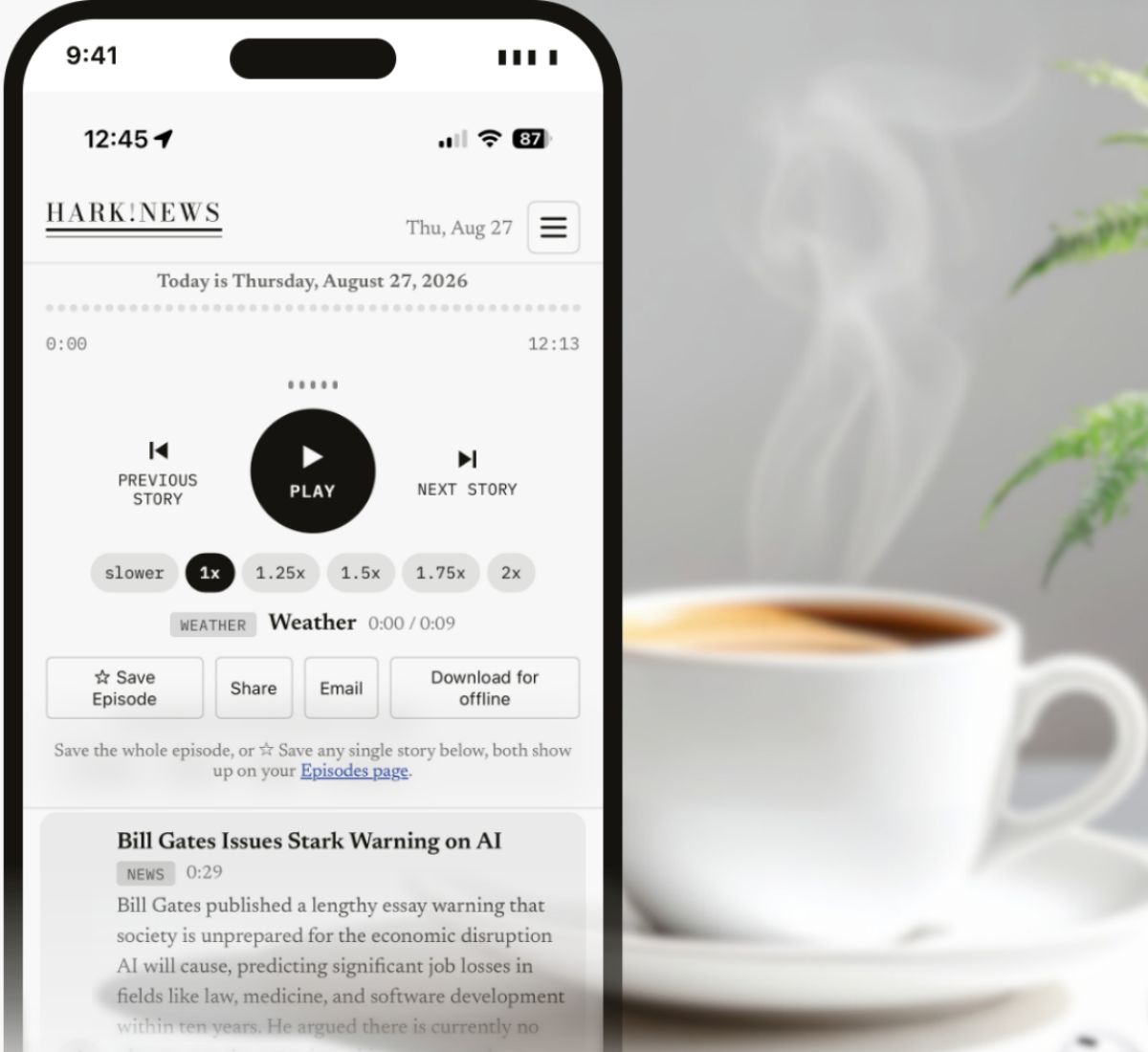
We curate the best recruiting and talent acquisition newsletters into a 5-minute audio briefing, and deliver it by text every morning.
Try Our Recruiting & Talent Acquisition BriefingFreeSee the 6 newsletters we handpicked

At a glance
Recruiting & Talent Acquisition at a Glance
Recruiting sits inside one of the largest professional occupations in the United States. The federal government counts about 939,700 human resources specialists, a group that explicitly includes recruitment specialists, sometimes known as recruiters or talent acquisition specialists. Careers in the field extend well beyond posting roles and screening applications: sourcers who find people who are not looking, recruiters who run searches end to end, recruiting operations specialists who own the systems and the data, employer brand marketers, and talent acquisition leaders who decide how a company hires at all.
Pay rises with responsibility rather than tenure. The median for human resources specialists is $75,940, while human resources managers, where most talent acquisition leaders are counted, earn a median of $149,280. The work rewards a wide mix of strengths: the research instinct of sourcing, the persuasion of closing a candidate, the analytical side of funnel metrics, and the diplomacy of telling a hiring manager something they do not want to hear.
Entry does not depend on a specific degree. Specialist roles typically ask for a bachelor's degree in no particular subject, and the credentials that matter, such as SHRM's, are earned while working. That is what gives recruiting career paths their shape, and it is also why hiring trends are worth following from your first year, as AI screening and sourcing tools take over the volume work and leave the judgement and the relationships to people.
The numbers that matter
939,700
Human resources specialist jobs, the group that includes recruiters (2025)U.S. Bureau of Labor Statistics
$75,940
Median pay for human resources specialists (May 2025)U.S. Bureau of Labor Statistics
$149,280
Median pay for human resources managers (May 2025)U.S. Bureau of Labor Statistics
73,700
Projected annual openings for HR specialists, 2025 to 2035U.S. Bureau of Labor Statistics
Job titles
- Recruiting Coordinator
- Sourcer
- Recruiter
- Technical Recruiter
- Recruiting Manager
- Head of Talent Acquisition
Who hires
- In-house talent teams
- Staffing agencies
- Executive search firms
- RPO providers
- Startups
- Public sector
Credentials
- SHRM-CP
- SHRM-SCP
- PHR and SPHR
- AIRS sourcing
- LinkedIn Recruiter
- Employment law basics
Where recruiting careers are built
Sourcing
Finding and engaging people who are not applying to anything.
Full-cycle recruiting
Owning a search from intake through offer and close.
Recruiting operations
The systems, data and process that make hiring repeatable.
Employer brand
Why a candidate wants this company before you call them.
Executive search
Low volume, high stakes, long relationships and discretion.
Talent acquisition leadership
Capacity planning, budget and how the company hires.
Recruiting & Talent Acquisition Jobs and Salaries
The federal statistics do not break recruiting out as its own occupation. Recruiters are counted among human resources specialists, and talent acquisition leaders among human resources managers, which is why the table below is short. Pay is the national median, so a technical recruiting role in a high-cost market will sit well above it.
Training and development specialists
$69,280
Human resources specialists
$75,940
Human resources managers
$149,280
Source: US Bureau of Labor Statistics, Occupational Outlook Handbook (May 2025 pay, 2025 to 2035 projections), May 2025 pay data.
Recruiting & Talent Acquisition Career Paths
Recruiting is four tracks wearing similar job titles. Agency and in-house reward different things, sourcing and full-cycle are genuinely different crafts, and operations is the one people fall into and then discover pays. Knowing which you are on tells you what your next move should be.
- Recruiting Coordinator0 to 2 yearsScheduling, candidate communication and keeping processes moving
- Recruiter2 to 5 yearsOwning searches end to end, intake through offer
- Senior or Lead Recruiter5 to 8 yearsHard searches, hiring manager coaching and mentoring juniors
- Head of Talent Acquisition8 or more yearsCapacity planning, budget and how the company hires
Credential that fits SHRM-CP is the credential most commonly listed, with SHRM-SCP at leadership level
The federal statistics do not separate recruiting from human resources, so there is no occupation code for a head of talent acquisition. The market prices these roles by headcount hired, team size and company stage rather than by title.
A Typical Day in Recruiting & Talent Acquisition Jobs
Four roles that carry most of the headcount in this field, ordered from the most junior to the most senior. The schedules are representative composites rather than one person's diary, and the thing to watch is how the proportion of the day spent persuading rather than processing changes as you move up.
Recruiting CoordinatorEntry-LevelHolds the process together, and is the reason candidates do not go quiet on you.
- 8:30Clear the scheduling queue before interviewers start declining slots
- 10:00Chase feedback from yesterday's interviews, because offers stall here
- 11:30Set up a four-stage onsite across three time zones
- 13:30Update the applicant tracking system so the weekly report is not fiction
- 15:00Send rejections personally rather than letting them sit in a queue
- 16:30Prep tomorrow's interviewers with the CV and the questions they own
RecruiterMid-LevelOwns searches end to end and spends most of the day managing expectations in both directions.
- 8:00Review pipeline by role and decide which two searches need attention today
- 9:30Intake meeting for a new role, mostly spent testing which requirements are real
- 11:00Screening calls, and honest conversations about compensation ranges
- 13:30Write up a debrief and push a hesitant hiring manager for a decision
- 15:00Close a candidate who has a competing offer, which is the whole job in one call
- 16:30Source for tomorrow, because a pipeline you did not build today is next month's problem
Recruiting Operations ManagerMid-LevelOwns the machinery: the system, the data and whether anyone trusts the numbers.
- 8:30Check the funnel dashboard for the stage that quietly got slower
- 10:00Work with a vendor on an integration that keeps dropping candidate records
- 11:30Rebuild the time-to-fill report after finding it counted reopened roles twice
- 13:30Train two recruiters on the workflow change nobody read the email about
- 15:00Pull pay benchmarking data for a compensation conversation
- 16:30Document the process, which is the part that makes the team survive turnover
Head of Talent AcquisitionSenior-LevelDecides how the company hires, then defends the headcount and the budget for it.
- 8:00Review hiring plan against actuals and find where the plan is already wrong
- 9:30Executive staffing meeting: which roles get prioritised this quarter
- 11:00Work with legal on an AI screening tool and what it does to selection risk
- 13:00One to ones, mostly about workload and the recruiter who is close to leaving
- 14:30Negotiate next year's agency and tooling spend
- 16:00Brief the board on cost per hire and the roles the company cannot fill
Job guide
How to Become a Recruiter in 2026
What the work actually asks of you, the skills employers screen for, and the questions you will be asked. The three tabs split the same guide by experience, because what gets a coordinator hired is not what gets a head of talent acquisition hired.
Entry-Level
Breaking Into Recruiting
The first job is about reliability and tone. Nobody expects you to run a difficult search yet, and candidates remember how they were treated far longer than how fast you were.
What to Know About the Industry
The facts that should shape where you apply.
No specific degree is required
The occupation recruiters are counted in typically asks for a bachelor's degree in no particular subject, and no prior work experience in a related role. People arrive from sales, hospitality, teaching and administration, and all of those backgrounds genuinely transfer.
Source: US Bureau of Labor Statistics, Human Resources Specialists
The occupation is large, which means openings
There are about 939,700 human resources specialists, with roughly 73,700 openings projected each year through 2035. Most of those come from people moving on rather than from new positions, which is why entry routes keep reopening even in a flat market.
Source: US Bureau of Labor Statistics, Human Resources Specialists
Recruiters and talent acquisition specialists are the same job
The federal classification describes recruitment specialists as sometimes known as recruiters or talent acquisition specialists. Job titles in this field vary far more than the work does, so read the responsibilities rather than the label when you apply.
Source: US Bureau of Labor Statistics, Human Resources Specialists
Hiring is legally constrained from your first week
Employment law limits what you may ask and what may inform a selection decision, and enforcement lands on the employer. Knowing which questions are prohibited before you make your first screening call puts you ahead of most entry candidates.
Source: US EEOC, Prohibited Employment Policies and Practices
Skills Employers Hire For
What actually gets a first offer.
Organisation under interruption
Coordinating interviews is constant context switching. Being the person whose candidates never fall through a gap is immediately visible and immediately valued.
Warm, clear written communication
Most candidate contact is written. Being specific, human and quick to reply is the single easiest way to look better than the average recruiter.
Willingness to pick up the phone
The work still runs on calls. Comfort with cold outreach and with awkward conversations is screened for and cannot be faked for long.
Basic familiarity with hiring law
Knowing which questions are off limits puts you ahead of most entry candidates, who learn it by nearly getting it wrong.
Source: US EEOC, Prohibited Employment Policies and Practices
Interview Questions and Answers
What you will be asked with little recruiting experience behind you.
Why do you want to work in recruiting?
What they are looking for: A genuine reason, not a default.
I like work where the result is a person's decision rather than a document. In my last job the part I enjoyed most was talking people through a choice they were nervous about, and recruiting is that, repeatedly, with a commercial outcome attached. I also wanted a field that would take me on ability rather than on a specific degree.
Make it yours: Connect it to something you actually did, not to liking people.
How do you stay organised with a lot going on?
What they are looking for: A real system.
I work from one list, not from my inbox, and I touch things once. In my last role I handled bookings and walk-ins at the same time, and the thing that made it work was writing down every promise the moment I made it. I would expect to use the applicant tracking system the same way, because a commitment that only exists in my head is one that gets dropped.
Make it yours: Describe your actual system. Vague answers here are very common.
Sell me this role.
What they are looking for: Whether you listen before you pitch.
I would want to ask you a few things first, because selling the same role the same way to everyone is how candidates get lost. What would make you leave your current job, and what would have to be true for a move to be worth the disruption? Then I would talk about the parts of the role that answer that, and I would be straight about the parts that do not.
Make it yours: The point is to ask questions first. Most candidates just start pitching.
How would you handle a candidate who is unhappy with the process?
What they are looking for: Ownership rather than deflection.
Acknowledge it specifically rather than apologising generally, because generic apologies make people angrier. If we have kept them waiting, I would say so, tell them exactly where things stand and when they will next hear from me, and then make sure that date is one I can actually keep. The thing that repairs it is the follow-through, not the apology.
Mid-Level
Moving Up in Recruiting
Mid-career is where recruiters either become advisors or stay order takers. The difference is whether hiring managers change their minds after talking to you.
What to Know About the Industry
What shapes the decisions you now face.
The step above you is a narrow one
There are about 939,700 human resources specialists and about 224,900 human resources managers, and both are projected to grow at six percent to 2035. Roughly one management role exists per four specialists, and that ratio is not loosening, so depth is a more reliable plan than waiting.
Sources: US Bureau of Labor Statistics, Human Resources SpecialistsUS Bureau of Labor Statistics, Human Resources Managers
The management step nearly doubles the median
Human resources specialists have a median of $75,940 and human resources managers $149,280. No amount of tenure inside the specialist band closes that gap, which is the clearest financial argument for taking a role with a team and a plan attached.
Sources: US Bureau of Labor Statistics, Human Resources SpecialistsUS Bureau of Labor Statistics, Human Resources Managers
Certification starts to matter now
SHRM offers the SHRM-CP and the more senior SHRM-SCP, the credentials most often named in HR job postings. They are most useful when you are arguing for scope beyond pure recruiting, because they evidence breadth your requisition history does not.
The adjacent development field grows faster
Training and development specialists are projected to grow eleven percent to 2035 against six percent for HR specialists, at a $69,280 median. For a recruiter deciding where to broaden, internal development is a measurably faster-growing neighbour than more recruiting.
Sources: US Bureau of Labor Statistics, Training and Development SpecialistsUS Bureau of Labor Statistics, Human Resources Specialists
Skills Employers Hire For
What separates a competent recruiter from a future leader.
Advising rather than servicing
Bringing market data to an intake and changing the brief. This is the behaviour that gets recruiters promoted and the absence of it is why many plateau.
Source: US Bureau of Labor Statistics, Human Resources Specialists
Diagnosing a stuck search
Using funnel data to say which stage is broken and why, rather than responding to every problem with more sourcing.
Mentoring coordinators
The first management signal. Teams promote the recruiter whose juniors get better, not the one with the highest personal output.
Compensation fluency
Understanding bands, equity and what the market actually pays, well enough to negotiate credibly with both candidates and finance.
Source: US Bureau of Labor Statistics, Human Resources Managers
Interview Questions and Answers
Mid-career interviews test influence and judgement rather than process knowledge.
Tell me about a time you changed a hiring manager's mind.
What they are looking for: Influence backed by evidence.
A team insisted on ten years of experience for a role that was really about one specific skill. I showed them the size of the pool at ten years against five, what each cost, and the time to fill we were realistically looking at. Then I asked them to interview two people at five years as a test. They hired one of them, and that person was promoted within eighteen months.
Make it yours: The evidence is the point. Say exactly what data you brought.
What is your offer acceptance rate and why?
What they are looking for: Whether you measure yourself.
It has run in the high eighties in my last two roles. The reason is mostly front-loading: I discuss compensation expectations in the first call and I tell people the unattractive parts of the role early. That loses a few candidates at the top of the funnel and saves almost all of the late-stage declines, which are the expensive ones because a hiring manager has already invested.
Make it yours: Know your number. Not knowing it is the worst possible answer here.
How do you handle recruiting during a hiring freeze?
What they are looking for: Resilience and commercial sense.
I treat it as the time to do the work that is impossible when you are busy: market mapping for the roles that will reopen, cleaning the data so the funnel reporting is trustworthy, and keeping warm the strong candidates we could not hire. I have also used freezes to build internal mobility processes, which is usually the only hiring still permitted and tends to be badly run.
Agency or in-house, and why?
What they are looking for: Self-knowledge rather than a right answer.
In-house, because the part of the job I am best at is the long relationship with a hiring manager where I get to shape how a team is built. Agency rewarded speed and volume, and I was fine at it, but my advice was worth less there because I did not know the business well enough to push back credibly. I would rather be the person who says this brief is wrong than the person who fills it fastest.
Senior-Level
Leading Talent Acquisition
At this level the job is workforce planning, budget and risk. You are no longer judged on searches but on whether the company can staff its plan at a cost it can defend.
What to Know About the Industry
The questions that now land on your desk.
You are priced on scope, not on title
The federal classification has no code for a head of talent acquisition; the nearest is human resources managers, at a $149,280 median across about 224,900 jobs. The market therefore pays on hires per year, team size and company stage, so negotiate on those rather than on the label.
Source: US Bureau of Labor Statistics, Human Resources Managers
Selection tooling is a legal question first
Anything that screens or ranks candidates is a selection procedure, and the obligation not to disadvantage a protected group sits with the employer rather than with whoever built the tool. Owning that risk knowingly is part of this job.
Source: US EEOC, Prohibited Employment Policies and Practices
Internal mobility is increasingly your remit
Training and development roles are projected to grow eleven percent to 2035 against six percent for HR specialists, and much of that movement is internal. Leaders who own both external hiring and internal mobility have materially more influence.
Sources: US Bureau of Labor Statistics, Training and Development SpecialistsUS Bureau of Labor Statistics, Human Resources Specialists
Credentials signal breadth at this level
The senior SHRM-SCP is positioned for leadership rather than practitioner roles, and it is the common way to evidence coverage of the wider people function when a talent acquisition leader is competing for an HR director remit.
Skills Employers Hire For
What a head of talent acquisition is actually hired to do.
Workforce planning with finance
Turning a business plan into a hiring plan with a cost, a timeline and a realistic view of what the market will supply.
Source: US Bureau of Labor Statistics, Human Resources Managers
Building a team that outlasts you
At this level your output is your recruiters. The leaders who scale are the ones whose people are poached, which is a compliment worth collecting.
Owning selection risk
Deciding what tooling is used, documenting why, and being able to defend the process if it is ever challenged.
Source: US EEOC, Prohibited Employment Policies and Practices
Telling executives unwelcome truths
That the plan is unhirable at that budget, or that the reason you cannot hire is the company's reputation rather than the recruiters.
Interview Questions and Answers
Senior interviews are about planning, risk and people.
How would you build a hiring plan for next year?
What they are looking for: Commercial grounding, not a process answer.
I start from the business plan and work backwards: what capability does the company need, by when, and what does the market supply at what price. Then I pressure test it, because most plans assume roles fill at a speed the market will not deliver. I would come back with a phased version showing which hires are genuinely sequential, what each slip costs, and where we should use contract or agency capacity rather than permanent headcount.
Make it yours: Bring a real plan you built and what you refused to commit to.
How do you decide on an AI screening tool?
What they are looking for: Risk awareness as well as efficiency.
I would ask what decision it makes, because that determines everything. Tools that draft, summarise or help research are low risk and I would adopt them quickly. Anything that filters or ranks candidates is a selection procedure, which means the employer carries the liability if it has adverse impact, regardless of the vendor's assurances. For those I would want validation evidence, a human decision point and documentation we could defend, and I would involve legal before procurement rather than after.
Your team missed the hiring plan. What happened and what did you do?
What they are looking for: Accountability rather than blame.
We missed by about a third in a year when the market turned against us in two critical functions. What I got wrong was not escalating early enough; I kept believing we would catch up. Once I did escalate, we resequenced with the executive team, moved two roles to contract and accepted that one team would be smaller than planned. The process change afterwards was a monthly forecast with a confidence rating, so nobody is surprised in month nine again.
What would your first ninety days here look like?
What they are looking for: Restraint and a real diagnostic.
Listening first. I would sit in on interviews, talk to hiring managers who are unhappy and to recent hires about why they joined, because those two groups tell you more than any dashboard. I would want an honest funnel picture and a view of which roles the company structurally cannot fill. I would not restructure the team in ninety days unless something is actively broken, because I have seen leaders spend their credibility reorganising before they understood the business.
Why Recruiters Need to Stay Informed
AI, new recruiting technologies, shifting candidate expectations, and labor market trends are transforming how companies hire. Whether you work in recruiting, sourcing, or talent acquisition, staying informed helps you discover new tools, adapt your strategies, and make better hiring decisions.
The bottom line
Hiring is changing fast. Stay ahead of what matters.
The federal projections put about 73,700 openings a year in the occupation that contains recruiting, and a median of $149,280 at manager level against $75,940 for specialists. The room in this career is real, and it sits above the volume work that hiring tools are busy absorbing.
Stay Informed with Hark's Recruiting & Talent Acquisition Briefing
How it works
Pick the newsletters you want
Choose from our handpicked list, or add your own. See the picks
We subscribe you properly
Each one arrives at your own private Hark address, never your inbox.
We read them so you do not have to
Every issue is distilled into one short script each morning.
You listen on the way in
A text arrives with a link. Five minutes, then you are current.
The 6 Recruiting Newsletters We Handpicked
HR Dive: Talent Daily
Informa TechTarget
- Free
- Weekdays, moving to a weekly edition
Talent acquisition news covering recruiting strategy, diversity and inclusivity in hiring, employer branding and leadership development.
Why recruiting & talent acquisition professionals read it
The talent side of HR Dive, separated from the generalist news. The quickest daily read on hiring law, labour market shifts and what large employers are changing about how they recruit.
More about this newsletter
The talent-focused edition of HR Dive, written for recruiters rather than for HR generalists. It is the quickest way to keep up with hiring law, labour-market shifts and what large employers are actually changing about how they recruit.
Best for: Recruiters and talent acquisition teams who want the hiring news separated out from general HR.
Recruiting Brainfood
Hung Lee
- Free
- Weekly
Hung Lee's weekly hand-curated newsletter of talent-acquisition and recruiting-industry content, tools, research, and commentary.
Why recruiting & talent acquisition professionals read it
Hung Lee's weekly curation is the closest thing the profession has to a common reading list, mixing sourcing craft, market data and the arguments the field is actually having.
More about this newsletter
A once-weekly curated digest of the best recruiting and HR content (tools, technology, trends, and research) assembled by Hung Lee, a former recruiter and co-founder of hiring platform Workshape.io. Comes with an ecosystem of podcast episodes, live Friday broadcasts, and an active community group. Free.
See the other 4 newsletters
ERE Weekly
ERE Media
- Free
- Weekly
Weekly recruiting newsletter from ERE Media that merged its ERE, SourceCon, and CandE coverage for talent-acquisition leaders and their teams.
Why recruiting & talent acquisition professionals read it
ERE writes for in-house talent acquisition teams rather than agencies, with more depth on process, metrics and hiring strategy than a news roundup carries.
More about this newsletter
As of 2025 ERE consolidated its ERE Recruiting, SourceCon, and CandE emails into one weekly newsletter on beehiiv, covering recruiting news, AI in hiring, sourcing techniques, and candidate-experience insights. ERE Media has served the recruiting profession since the late 1990s and also runs the ERE Recruiting Innovation Summit. Free signup at newsletter.ere.net.
RecruitingDaily Newsletter
RecruitingDaily LLC
- Free
- Weekly
A weekly mix of talent acquisition news, practitioner insight, recruiting technology coverage and upcoming industry events.
Why recruiting & talent acquisition professionals read it
Sits closest to the recruiting technology market: tool reviews, funding and practitioner takes on whether any of it actually works. Useful when you are choosing a stack.
More about this newsletter
RecruitingDaily sits close to the recruiting technology market, reviewing tools and tracking funding alongside practitioner commentary. Its newsletter describes itself as a weekly mash up of news, insights and upcoming events, and it reaches a community the publisher puts at over 100,000 members.
Best for: Recruiters evaluating ATS, sourcing and AI tooling, and anyone following the recruiting-tech market.
Recruiting Future Feast
Recruiting Future (Matt Alder)
- Free
- Weekly
A weekly update from the Recruiting Future podcast on AI in talent acquisition, skills-based hiring, assessment, employer branding and the future of hiring.
Why recruiting & talent acquisition professionals read it
The companion to Matt Alder's long-running podcast, and the most strategic read of the six: where hiring is going over years rather than what moved this week.
More about this newsletter
The companion newsletter to Matt Alder's Recruiting Future, a talent acquisition podcast with more than 900 episodes. It is the strategic read of the set: where hiring is going over the next few years rather than what happened this week.
Best for: Recruiters thinking about where the profession is heading, especially on AI and skills-based hiring.
Talent Edge Weekly
Brian Heger
- Free
- Weekly
A curated weekly roundup of talent management research, tools and playbooks covering succession, internal mobility, skills-based practices and the effect of AI on work.
Why recruiting & talent acquisition professionals read it
Widens the view from filling roles to building and moving talent internally, which is the ground most recruiting careers grow into as they become more senior.
More about this newsletter
Brian Heger curates research and practical tools for talent professionals, and the newsletter says it reaches more than 60,000 HR practitioners. It widens a recruiter's view from filling roles to how organisations build and move talent internally, which is the ground most TA careers grow into.
Best for: Recruiters moving toward talent management, workforce planning or a broader people-strategy role.
You May Also Like
- Human Resources LeadersThe wider people function recruiting reports into: compensation, employment law, benefits and retention, which is where most talent acquisition careers eventually lead.
- Startup FoundersFounders do their own hiring for longer than they expect, and the newsletters they read explain why early-stage searches behave so differently from corporate ones.
- CEOs and ExecutivesYour most senior searches are briefed by this reader. Knowing what occupies them makes an executive intake conversation materially better.
- Management ConsultantsAnother advisory craft built on structured questioning and managing a client who outranks you, with a talent market recruiters are regularly asked to understand.
Frequently Asked Questions
Entry-Level
What’s the difference between recruiting and talent acquisition?
Mostly nothing, in practice. The federal classification describes recruitment specialists as sometimes known as recruiters or talent acquisition specialists, which is the government saying they are the same job. Where organisations do draw a line, recruiting means filling the requisitions in front of you and talent acquisition means the wider function: workforce planning, employer brand, pipeline building and hiring process design. Treat the distinction as a signal about seniority and scope in a particular job advert rather than as two different professions.
How do you become a recruiter with no recruiting experience?
By bringing a transferable skill and taking the volume end of the job first. The occupation recruiters are counted in typically asks for a bachelor's degree in no particular subject and no prior work experience in a related role, so the formal barrier is low. People arrive from sales, hospitality, customer service and administration, and the common thread is talking to strangers all day without losing accuracy. The reliable doors are recruiting coordinator and sourcer roles, and agency recruiting, which hires on attitude and lets attrition sort the rest.
Do you need an HR degree or certification to become a recruiter?
No. The occupation typically requires a bachelor's degree in any subject, and HR degrees are a minority route rather than the norm. SHRM offers the SHRM-CP and the more senior SHRM-SCP, which are the credentials most often named in HR and talent job postings, and they are worth having, but they will not substitute for a hiring record. The knowledge that genuinely is required from week one is legal rather than academic: what you may ask and what may inform a selection decision.
What’s the difference between a recruiter, sourcer, recruiting coordinator, and talent acquisition partner?
A sourcer finds and engages candidates but usually does not run the process. A recruiting coordinator runs the logistics, scheduling, candidate communication and offer paperwork, which is the best unglamorous education in how hiring actually works. A recruiter owns a requisition end to end, from intake with the hiring manager to offer. A talent acquisition partner is a recruiter with a seat at the planning table, advising on what roles should exist rather than only filling the ones that do. Titles vary far more than the work does.
What’s the difference between an in-house recruiter and an agency recruiter?
Agency rewards closing. Pay is heavily variable, you carry a desk, you work multiple clients at once, and the feedback loop is fast and unforgiving. In-house rewards process and relationships: a salary with a smaller bonus, fewer roles held more deeply, and real influence over how the company hires rather than just who it hires. The same federal occupation covers both, which disguises how different they are. People move agency to in-house far more often than the reverse, usually for predictability.
What are the best entry-level recruiting jobs, and what skills do employers look for?
Recruiting coordinator and sourcer are the two standard entry roles, and agency recruiting takes people with no experience at all. Employers screen for written communication that a candidate will actually reply to, organisation under volume, resilience when a placement falls through at the last moment, and enough curiosity about the role being filled to speak credibly about it. A working knowledge of what you may not ask in a screening call is a genuine differentiator at this level, because most applicants do not have it.
How much do entry-level recruiters earn, and how does compensation differ between corporate and agency recruiting?
Entry pay sits below the $75,940 median for human resources specialists, the group recruiters are counted in. The structural difference matters more than the starting number: corporate recruiting pays a salary with a modest bonus, which is predictable and caps your early upside, while agency pays a lower base against commission, so a strong first year can beat a corporate salary and a weak one will not cover your rent. Executive search sits further along the same spectrum, with the longest cycles and the largest fees.
Mid-Level
What does career advancement look like for a recruiter or talent acquisition professional?
The honest shape is a narrow pyramid. There are about 939,700 human resources specialists and about 224,900 human resources managers, so roughly one management role exists for every four specialists, and both are projected to grow 6 percent to 2035. The specialist median is $75,940 and the manager median $149,280, so the step up nearly doubles pay and no amount of tenure inside the specialist band closes that gap. The alternatives to management are specialisation, executive search, and broadening into the wider people function.
How are recruiters measured, and which recruiting metrics matter most?
Time to fill and offer acceptance rate are the ones every recruiter is measured on, and both are partly outside your control, which is worth saying out loud in an interview. Quality of hire matters most and is measured worst, usually through hiring manager satisfaction and early attrition. Pipeline metrics, candidate-to-interview and interview-to-offer ratios, are the most useful diagnostically because they tell you where a process is actually failing. Agency recruiters are additionally measured on placements and fees, which is a simpler and harsher scoreboard.
How does recruiter compensation differ between corporate recruiting, agency recruiting, and executive search?
Corporate pays a salary plus a modest bonus, with the median for the broader occupation at $75,940 and the management level at $149,280. Agency pays a smaller base plus commission on fees, which makes earnings volatile and uncapped, and a strong agency recruiter can outearn a corporate talent acquisition manager. Executive search works on retained assignments with substantially larger fees, longer cycles and fewer placements, so earnings concentrate in a handful of searches a year and depend heavily on the firm's brand and your own network.
What skills and certifications can help experienced recruiters advance their careers?
Specialisation is the most reliable: technical, executive, or a sector where the candidate pool is genuinely scarce. Beyond that, the skills that move people upward are data fluency, enough to argue about pipeline and quality of hire with numbers rather than anecdotes, and real knowledge of employment law, because hiring is legally constrained and enforcement lands on the employer. SHRM-CP and SHRM-SCP are the standard credentials and are most useful when you are arguing for scope beyond pure recruiting rather than for a better recruiting job.
How can recruiters transition into specialized roles such as technical recruiting, executive search, or talent intelligence?
Technical recruiting is the most accessible and usually means learning enough about engineering to hold a real conversation, which you do by sitting with engineers rather than by reading a glossary. Executive search is harder to enter and generally comes through an agency background plus a network at the level you intend to search. Talent intelligence is the newest and favours analytical people: market mapping, compensation benchmarking and workforce data, and it sits close to the adjacent training and development field, which is projected to grow 11 percent against 6 percent for HR specialists.
Is recruiting a stable career when hiring slows down, and how can recruiters protect their careers?
It is cyclical, and pretending otherwise is how people get caught. Recruiting headcount is one of the first things cut when hiring slows, in-house and in agencies alike. The underlying occupation is stable, with about 73,700 openings projected each year for human resources specialists, but most of those come from people moving on rather than from new positions. Protection comes from scarcity and breadth: a specialism where demand persists through a downturn, skills that cross into the wider HR function, and a network that is not confined to one employer.
How is AI changing recruiting and talent acquisition, and which tools should recruiters learn to use?
It is absorbing the volume half. Sourcing lists, advert copy, CV screening and interview notes are all tasks software now does acceptably. What it is not absorbing is anything carrying legal responsibility, because a screening tool is a selection procedure with all the law that implies, and enforcement lands on the employer rather than the vendor. Learn your applicant tracking system properly, learn the sourcing and outreach tooling, and learn enough about how a screening model selects to answer the question a regulator or a rejected candidate might ask.
Senior-Level
How can a recruiter advance into a Talent Acquisition Manager, Director, or Head of Talent role?
By demonstrating you can run a function rather than a requisition list. The step is narrow, with roughly one manager role per four specialists, so it generally comes from scope rather than from waiting: owning a hiring programme, a region, or a process redesign that measurably changed an outcome. The strongest candidates arrive with numbers, a position on quality of hire rather than speed alone, and some evidence outside recruiting, which is where SHRM-SCP and the adjacent training and development field are genuinely useful.
What leadership and strategic skills are most important for senior talent acquisition professionals?
Workforce planning, which means having a view on what roles should exist rather than filling the ones handed to you, and the commercial literacy to defend a hiring plan against a finance team. Beyond those, the ability to manage through a cycle, since recruiting teams expand and contract more violently than most functions, and genuine legal fluency, because at this level you own the selection process rather than operate it, and the EEOC enforces against the employer.
How can talent acquisition leaders build a recruiting strategy aligned with business goals and workforce planning?
By starting from the business plan rather than the requisition queue. That means knowing what the company intends to build and when, translating it into roles, skills and lead times, and being honest about which of those hires is genuinely hard. The strategy that follows is mostly a set of choices: build versus buy, internal mobility versus external hiring, where to invest in pipeline ahead of need. The adjacent development function matters here, growing 11 percent to 2035 against 6 percent for HR specialists, because internal mobility is often the cheaper answer.
Which recruiting metrics should senior leaders use to evaluate hiring effectiveness, quality of hire, and return on investment?
Quality of hire, even though it is the hardest to measure, because everything else is a proxy for it. Usable constructions are early attrition, performance at the first review, and hiring manager satisfaction collected consistently rather than anecdotally. Alongside it, offer acceptance rate as a read on competitiveness, pipeline conversion ratios as a diagnostic for where the process fails, and cost per hire across channels for the return question. Time to fill is worth tracking and worth refusing to optimise in isolation, because the fastest hire is rarely the best one.
How can recruiting leaders use AI and automation while maintaining fairness, candidate trust, and hiring quality?
By treating a screening tool as a selection procedure, which is what it legally is, and documenting accordingly. That means knowing what a model selects on, testing for adverse impact rather than assuming its absence, keeping a human accountable for rejections, and being able to explain a decision to the candidate who asks. On trust, candidates increasingly know when they are being screened by software, and the organisations that handle it well are explicit about where automation is used. Enforcement lands on the employer, never on the vendor.
How can talent acquisition leaders build and retain high-performing recruiting teams during changing hiring cycles?
By planning for the cycle instead of being surprised by it. Recruiting teams are cut early in a downturn and rebuilt late, which destroys institutional knowledge twice. Leaders who manage this well keep a smaller permanent core with deep company knowledge and flex with contract recruiters, rather than hiring a large permanent team at the peak. Retention in the quiet periods comes from giving recruiters work that is not requisition volume: process improvement, talent intelligence, internal mobility and employer brand, all of which compound when hiring resumes.
What career opportunities exist beyond Head of Talent, including CHRO, talent consulting, and executive search leadership?
The chief human resources officer track is the most direct, and it requires broadening beyond hiring into compensation, employee relations and organisational development, which is where the SHRM-SCP and operating experience outside recruiting pay off. Talent consulting and advisory suit people who like the process design side, and executive search leadership suits those with a network and a tolerance for variable income. Beyond those, recruiting technology vendors hire senior practitioners for product and customer roles, and fractional talent leadership is a growing option for smaller companies.
Get Tomorrow's Recruiting Briefing
The candidate you lost last week had an offer shaped by something you had not read about yet.