Procurement Career Guide
Explore procurement jobs, salaries, and career paths. Get interview tips and stay current on AI, sourcing, and supplier management trends.
The Top Procurement News, in 5 Minutes.
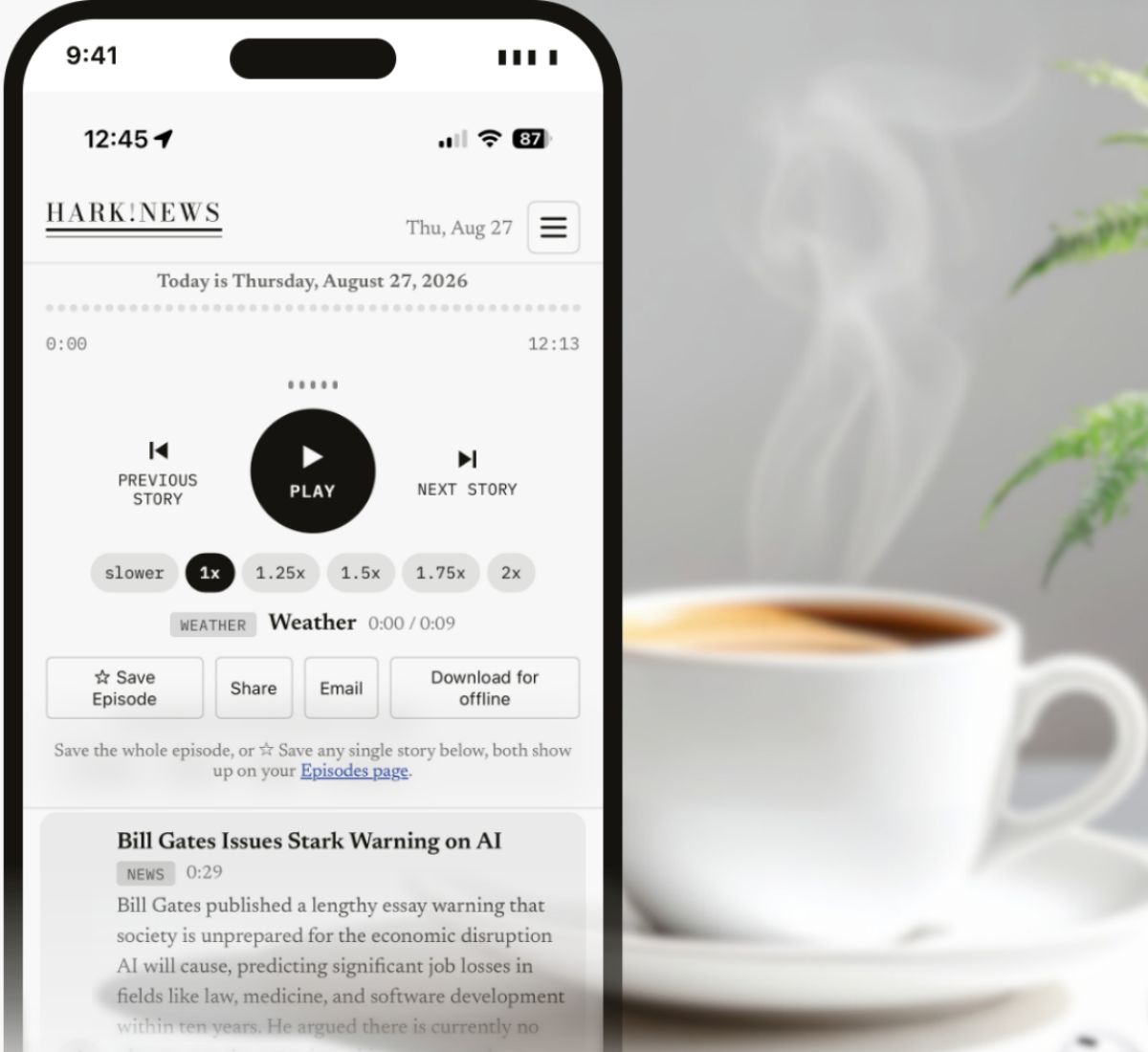
We handpick the best procurement newsletters and distill key news and insights into a 5-minute audio briefing, texted to you every morning.
Try the Procurement BriefingFree


At a glance
Procurement at a Glance
About 604,400 people work in the United States as purchasing managers, buyers and purchasing agents, at a combined median of $81,670, with roughly 53,600 openings projected each year to 2035. That single code hides the most important fact about pay in this profession: buyers and purchasing agents earn a median of $77,710 and purchasing managers $148,080, so the step into category ownership is worth more than any other move in the career.
The work extends far beyond raising orders, which is the misconception that keeps good people out of the field. Category managers decide which suppliers should exist in a market at all and run the tenders that decide it. Sourcing specialists negotiate the contracts. Contract managers own what happens after signature, which is where most value is actually won or lost. Supplier risk teams map exposure beyond the first tier. Procurement operations people run the spend data everything else depends on, and the logisticians who move the goods are counted separately at $82,320.
A bachelor's degree is typical rather than mandatory, and the function hires readily from finance, operations and customer service, because knowing how an organisation works is most of a new buyer's job. Professional certification carries real weight here, especially in the public sector. The direction of travel is set by two forces at once: automation taking the transactional half of the job, and tariffs, concentration and sustainability obligations making the strategic half a board-level subject.
The numbers that matter
604,400
Purchasing manager, buyer and agent jobs in the United States (2025)U.S. Bureau of Labor Statistics
$148,080
Median annual pay for purchasing managers (May 2025)U.S. Bureau of Labor Statistics
53,600
Projected openings per year in the purchasing occupations to 2035U.S. Bureau of Labor Statistics
+18%
Projected growth for logisticians, the adjacent occupation, 2025 to 2035U.S. Bureau of Labor Statistics
Job titles
- Procurement Analyst
- Buyer
- Category Manager
- Sourcing Manager
- Procurement Director
- Chief Procurement Officer
Who hires
- Manufacturers
- Retailers
- Healthcare systems
- Government and public sector
- Energy and utilities
- Consultancies
Credentials
- Bachelor's degree (typical)
- Professional procurement certification
- Contract literacy
- Negotiation training
- Spend analytics
- Category experience
Where procurement careers are built
Category management
Owning a market, its suppliers and what the business buys in it.
Strategic sourcing
Running the tender and negotiating the agreement.
Contract management
What happens after signature, where value is usually lost.
Supplier risk
Exposure beyond the first tier, before it becomes news.
Procurement operations
Systems, spend data and the process everyone else uses.
Sustainability and compliance
Scope three, due diligence and what a supplier must prove.
Procurement Jobs & Salaries
The federal data puts buyers and purchasing managers in one occupation code with very different medians, which is the most useful thing to know about procurement pay. The adjacent codes show where the function's neighbours and its executive end sit.
Buyers and purchasing agents
$77,710
Logisticians
$82,320
Operations research analysts
$88,940
Purchasing managers
$148,080
Financial managers
$166,570
Source: US Bureau of Labor Statistics, Occupational Outlook Handbook (May 2025 pay, 2025 to 2035 projections), May 2025 pay data.
Procurement Career Paths
One main ladder with three serious branches off it. The inflection is at category manager, where the job changes from processing demand to shaping it, and that is the step the pay data reflects most sharply.
- Procurement Analyst0 to 2 yearsSpend data, tenders and supporting a category
- Buyer2 to 5 yearsRunning sourcing events and managing suppliers
- Category Manager5 to 9 yearsShaping demand and owning the market strategy
- Procurement Director9 or more yearsThe portfolio, the team and the savings commitment
Credential that fits A recognised procurement certification helps; category results matter more
The salary table shows buyers and purchasing managers separately because the federal code combines them at a median that describes neither. The gap between those two rows is the single most important number in procurement pay.
A Typical Day in Procurement Jobs
Four roles along the main ladder, ordered from the most junior to the most senior, showing how the job shifts from processing requests to shaping what the organisation asks for. The schedules are representative composites.
Procurement AnalystEntry-LevelLives in the spend data, and learns the organisation faster than almost anybody in it.
- 9:00Clean last month's spend data, which is never as classified as claimed
- 10:30Build the bid comparison for a tender closing Friday
- 12:00Chase three suppliers for documents nobody wants to send
- 13:30Answer a stakeholder asking why their order has not gone out
- 15:00Pull the price history for a category review
- 16:30Update the contract register with the renewals due next quarter
BuyerMid-LevelRuns the sourcing events and manages the suppliers, with influence but no authority.
- 8:30Read the market news for anything affecting your categories
- 9:30Supplier review: performance against the service levels in the contract
- 11:00Negotiation, which was mostly decided by this morning's preparation
- 13:00Push back on a specification written around one vendor's product
- 15:00Expedite a late delivery that is about to stop a line
- 16:30Write up the saving so that finance will actually recognise it
Category ManagerMid-LevelShapes demand rather than processing it, which is the real promotion in this career.
- 8:00Market read: prices, tariffs and anything a supplier announced
- 9:30Category strategy session with the business that spends the money
- 11:00Supplier relationship meeting, which is partly an intelligence exercise
- 13:00Model what a tariff change does to next year's budget
- 15:00Get into a project early, before the specification is written
- 16:30Review the risk map for second-tier exposure in the category
Chief Procurement OfficerSenior-LevelOwns the cost base, the supplier risk and the function's credibility with finance.
- 7:30Scan trade and policy news, because tariffs move before memos do
- 9:00Executive meeting on a supplier failure and the contingency
- 10:30Review spend under management, which is the function's real coverage
- 13:00Finance review: which savings were validated and which were not
- 15:00Sustainability obligations and what suppliers must now evidence
- 16:30Talent: the category manager role that has been open for five months
Job guide
How to Get a Procurement Job in 2026
What the work asks of you, the skills employers screen for, and the questions you will be asked. The three tabs split the same guide by experience, because what gets a buyer hired is not what gets a procurement director hired.
Entry-Level
Starting a Procurement Career
The way in is an analyst, assistant buyer or coordinator role, and moving sideways from finance or operations works better here than in most functions. Pick a category you can be curious about, because that curiosity becomes your expertise.
What to Know About the Profession
The facts that should shape your first applications.
Entry Is Open, Including From Other Functions
A bachelor's degree is the typical entry level BLS records, and it is not a hard gate for buying and analyst roles. The function hires readily from finance, operations and customer service, because understanding how the organisation works is most of what a new buyer has to learn. Logistics, the adjacent code at $82,320, is another common feeder.
Sources: US Bureau of Labor Statistics, Purchasing Managers, Buyers, and Purchasing AgentsUS Bureau of Labor Statistics, Logisticians
One Occupation Code, Two Very Different Salaries
Purchasing managers, buyers and agents number 604,400 at a combined median of $81,670, but within it buyers and purchasing agents earn a median of $77,710 and purchasing managers $148,080. The step into category and function ownership is the largest single move in this career, and most published procurement salary advice averages straight across it.
Source: US Bureau of Labor Statistics, Purchasing Managers, Buyers, and Purchasing Agents
Most Openings Are Replacement, Not Growth
The purchasing occupations are projected to grow 6 percent to 2035 with about 53,600 openings a year, the large majority from people leaving the occupation rather than from new positions. That is a stable, well-supplied market in which the differentiator is category depth, because the roles being created are not the ones being vacated.
Source: US Bureau of Labor Statistics, Purchasing Managers, Buyers, and Purchasing Agents
Analysis Is Now Part of the Baseline
Operations research analysts, the nearest analytical code at a median of $88,940, are projected to grow 12 percent to 2035, and procurement teams increasingly borrow their methods for category modelling and scenario work. A buyer who can defend a recommendation in numbers is in a different hiring bracket from one who cannot.
Source: US Bureau of Labor Statistics, Operations Research Analysts
Skills Employers Hire For
What actually gets a first procurement job.
Spend Analytics
Getting clean category data out of messy transaction records, and using it to find the spend nobody is managing. The least glamorous and most consistently valuable analytical skill in the function.
Preparation Over Posture
Negotiation outcomes are mostly decided before the meeting: knowing the supplier's alternatives, your own walk-away point and your side's real constraints. The theatrics are the least important part.
Contract Literacy
Knowing which clauses matter when something goes wrong: liability, pass-through of cost changes, termination, service levels and what happens on a failure to supply. You do not need to be a lawyer; you need to know what to ask one.
Measuring a Saving Honestly
A defensible baseline, a stated methodology and validation by finance. The fastest way to lose credibility in this profession is a saving the budget never saw.
Interview Questions and Answers
What you will be asked as a junior or career changer.
How do you prepare for a negotiation?
What they are looking for: Preparation versus improvisation.
I work out the supplier's alternatives and mine, understand their cost structure well enough to tell price from margin, and agree internally what we can actually concede before I walk in.
Make it yours: Lead with their alternatives, not your demands. It signals experience immediately.
Which procurement certification do you hold?
What they are looking for: A real question in this field.
I hold one, and I would say it got me considered rather than hired. The category results are what the conversation moved to.
Make it yours: If you have none, say which you are working toward and why that one.
A stakeholder has already chosen a supplier. What do you do?
What they are looking for: Influence without authority.
I ask what problem they are solving and whether the specification reflects it or the vendor's product. Often there is a legitimate reason, and the fix is to get involved earlier next time rather than to block this one.
Make it yours: Do not describe blocking. Describe how you got into the next project earlier.
How much of the spend does this function actually touch?
What they are looking for: This one is yours to ask them.
Spend under management tells you whether this is a real procurement function or a purchase order desk, which decides what the job will be.
Make it yours: Follow up with who signs off a sole source. The answer is the culture.
Mid-Level
Advancing in Procurement
The middle is where you stop processing demand and start shaping it. Category depth, contract literacy and the ability to arrive before the specification is written are what separate this rung from the one below.
What to Know About the Profession
What shapes the move from buyer to category manager.
One Occupation Code, Two Very Different Salaries
Purchasing managers, buyers and agents number 604,400 at a combined median of $81,670, but within it buyers and purchasing agents earn a median of $77,710 and purchasing managers $148,080. The step into category and function ownership is the largest single move in this career, and most published procurement salary advice averages straight across it.
Source: US Bureau of Labor Statistics, Purchasing Managers, Buyers, and Purchasing Agents
Analysis Is Now Part of the Baseline
Operations research analysts, the nearest analytical code at a median of $88,940, are projected to grow 12 percent to 2035, and procurement teams increasingly borrow their methods for category modelling and scenario work. A buyer who can defend a recommendation in numbers is in a different hiring bracket from one who cannot.
Source: US Bureau of Labor Statistics, Operations Research Analysts
Most Openings Are Replacement, Not Growth
The purchasing occupations are projected to grow 6 percent to 2035 with about 53,600 openings a year, the large majority from people leaving the occupation rather than from new positions. That is a stable, well-supplied market in which the differentiator is category depth, because the roles being created are not the ones being vacated.
Source: US Bureau of Labor Statistics, Purchasing Managers, Buyers, and Purchasing Agents
Entry Is Open, Including From Other Functions
A bachelor's degree is the typical entry level BLS records, and it is not a hard gate for buying and analyst roles. The function hires readily from finance, operations and customer service, because understanding how the organisation works is most of what a new buyer has to learn. Logistics, the adjacent code at $82,320, is another common feeder.
Sources: US Bureau of Labor Statistics, Purchasing Managers, Buyers, and Purchasing AgentsUS Bureau of Labor Statistics, Logisticians
Skills Employers Hire For
What hiring managers read at this level.
Category and Market Knowledge
Understanding how a market prices, who the real players are and where the capacity is. It takes years, it does not transfer between categories, and it is what makes you hard to replace.
Stakeholder Influence
Getting into a project before the specification is written, when procurement still has options. The single highest-leverage behaviour in the job and the hardest to teach.
Risk Mapping Beyond Tier One
Knowing which of your suppliers depend on the same component, region or route. The exposure that hurts is almost never with the company whose name is on the contract.
Sustainability Due Diligence
Assessing suppliers on emissions, labour and traceability, now a legal obligation in several jurisdictions rather than a preference. Buyers who can run it credibly are worth more than ones who treat it as paperwork.
Interview Questions and Answers
What a category manager panel turns on.
Tell me about a saving you delivered.
What they are looking for: Whether the number is real.
Eleven percent on a category against the prior year's actual unit prices, validated by finance and reflected in the budget. The method was consolidating three suppliers to two and committing volume.
Make it yours: State the baseline and who validated it. A saving with neither is a story.
How would you cut cost in a category you do not know?
What they are looking for: Method, not bravado.
Spend data first to find concentration and maverick spend, then demand: often the biggest saving is in what is specified rather than in the price paid for it.
Make it yours: Naming demand management rather than price is the senior answer.
What is in your contracts about tariffs?
What they are looking for: Contract literacy under a live issue.
Whether cost changes pass through, who bears duty, and how prices can be adjusted and with what notice. I check that before modelling anything, because the contract decides who absorbs it.
Make it yours: Say you read the clause before you built the model. Most people do it the other way.
A critical supplier has just failed. Walk me through it.
What they are looking for: Composure and sequence.
Confirm the exposure and how long cover lasts, notify the business with a timeline rather than a panic, activate the alternative if one exists, and be honest about it if one does not.
Make it yours: The honest answer about having no alternative is stronger than inventing one.
Senior-Level
Leading a Procurement Function
Senior work is coverage, risk and credibility with finance. The judgement that matters is which categories deserve deep partnership, which deserve efficient process, and what the organisation is exposed to that nobody has mapped.
What to Know About the Profession
What the senior market rewards.
The Executive End Is a Finance Job
Chief procurement officer roles are typically counted with financial managers, at a median of $166,570 and five years or more of related experience as typical entry. The implication for anyone aiming there is to learn to argue in working capital, cost of goods and risk, because a saving that finance has not validated does not exist outside the function.
One Occupation Code, Two Very Different Salaries
Purchasing managers, buyers and agents number 604,400 at a combined median of $81,670, but within it buyers and purchasing agents earn a median of $77,710 and purchasing managers $148,080. The step into category and function ownership is the largest single move in this career, and most published procurement salary advice averages straight across it.
Source: US Bureau of Labor Statistics, Purchasing Managers, Buyers, and Purchasing Agents
Analysis Is Now Part of the Baseline
Operations research analysts, the nearest analytical code at a median of $88,940, are projected to grow 12 percent to 2035, and procurement teams increasingly borrow their methods for category modelling and scenario work. A buyer who can defend a recommendation in numbers is in a different hiring bracket from one who cannot.
Source: US Bureau of Labor Statistics, Operations Research Analysts
Entry Is Open, Including From Other Functions
A bachelor's degree is the typical entry level BLS records, and it is not a hard gate for buying and analyst roles. The function hires readily from finance, operations and customer service, because understanding how the organisation works is most of what a new buyer has to learn. Logistics, the adjacent code at $82,320, is another common feeder.
Sources: US Bureau of Labor Statistics, Purchasing Managers, Buyers, and Purchasing AgentsUS Bureau of Labor Statistics, Logisticians
Skills Employers Hire For
What a director or chief procurement officer search screens for.
Risk Mapping Beyond Tier One
Knowing which of your suppliers depend on the same component, region or route. The exposure that hurts is almost never with the company whose name is on the contract.
Measuring a Saving Honestly
A defensible baseline, a stated methodology and validation by finance. The fastest way to lose credibility in this profession is a saving the budget never saw.
Stakeholder Influence
Getting into a project before the specification is written, when procurement still has options. The single highest-leverage behaviour in the job and the hardest to teach.
Sustainability Due Diligence
Assessing suppliers on emissions, labour and traceability, now a legal obligation in several jurisdictions rather than a preference. Buyers who can run it credibly are worth more than ones who treat it as paperwork.
Interview Questions and Answers
What an executive panel asks.
How do you measure a procurement function?
What they are looking for: Whether you measure coverage as well as savings.
Validated savings, spend under management, supplier performance against contract, contract compliance, and cycle time, because a slow function gets routed around no matter how good its savings look.
Make it yours: Cycle time is the answer that marks out somebody who has run a function.
Where is your supply risk, really?
What they are looking for: Whether you look past the first tier.
Usually two tiers back, in a component or a region that several of my direct suppliers share without any of them mentioning it. Concentration is the thing to map, not supplier count.
Make it yours: Give a concrete example of a shared dependency you found.
A critical supplier has just failed. Walk me through it.
What they are looking for: Composure and sequence.
Confirm the exposure and how long cover lasts, notify the business with a timeline rather than a panic, activate the alternative if one exists, and be honest about it if one does not.
Make it yours: The honest answer about having no alternative is stronger than inventing one.
How would you cut cost in a category you do not know?
What they are looking for: Method, not bravado.
Spend data first to find concentration and maverick spend, then demand: often the biggest saving is in what is specified rather than in the price paid for it.
Make it yours: Naming demand management rather than price is the senior answer.
Why Procurement Professionals Need to Stay Informed
AI, shifting trade policies, and supply chain disruptions are reshaping procurement. Staying informed helps procurement professionals anticipate risks, identify opportunities, and make smarter sourcing decisions.
The bottom line
Procurement Is Changing Fast. Stay Ahead.
The purchasing occupations are projected to grow 6 percent to 2035 with about 53,600 openings a year, and the composition inside that is shifting from transactional buying toward category and risk work. The people who move with it are the ones who know their markets from outside the organisation as well as inside it.
Stay Informed with Hark's Procurement Briefing
How it works
Pick the newsletters you want
Choose from our handpicked list, or add your own. See the picks
We subscribe you properly
Each one arrives at your own private Hark address, never your inbox.
We read them so you do not have to
Every issue is distilled into one short script each morning.
You listen on the way in
A text arrives with a link. Five minutes, then you are current.
The 6 Procurement Newsletters We Handpicked
Supply Chain Dive (Daily Dive)
Industry Dive
- Free
- Weekdays
Award-winning reporting on logistics, procurement, freight, and risk.
Why procurement professionals read it
The broadest daily read on supply chain and sourcing, and the one that covers disruption, tariffs and supplier news as it happens rather than weekly.
More about this newsletter
Supply Chain Dive is Industry Dive's award-winning trade publication for logistics and procurement, and the Daily Dive delivers original weekday reporting on freight, operations, regulations, and risk. It is journalist-written and free. The baseline daily for supply chain professionals.
Best for: Supply chain professionals who want a free, journalist-written baseline daily on freight, operations, regulations, and risk from an award-winning trade publication.
Spend Matters Weekly
Spend Matters
- Free
- Weekly
Procurement and spend management analysis: sourcing technology, supplier management, services procurement and independent assessment of the software vendors.
Why procurement professionals read it
The specialist analyst voice in this field, strongest on procurement technology, market structure and whether a vendor's claims survive contact with practice.
More about this newsletter
The analyst voice in procurement, and the one that evaluates the technology rather than relaying vendor announcements.
Best for: Procurement professionals choosing or living with sourcing and spend technology.
See the other 4 newsletters
Inside Supply Management Weekly (ISM)
Institute for Supply Management (ISM)
- Free
- Weekly
The Institute for Supply Management's weekly e-newsletter: procurement and supply management news, ISM research, and the monthly PMI reports that move the whole field.
Why procurement professionals read it
The professional body's own weekly, and the only source here publishing primary data rather than covering someone else's: ISM research, plus the monthly PMI readings the rest of the field reacts to.
More about this newsletter
The Institute for Supply Management is the professional body behind the CPSM credential and, more importantly for readers, behind the monthly Manufacturing and Services PMI reports that the rest of the field reacts to. The weekly e-newsletter carries ISM research, supply management news and the association's own reporting, which makes it the one source on this list that publishes primary data rather than covering someone else's.
Best for: Procurement and supply management professionals who want primary research and the monthly PMI readings, not a news roundup.
Art of Procurement Newsletters (The Playbook & The Stack)
Art of Procurement
- Free
- Weekly
Art of Procurement's two weekly newsletters (The Playbook for senior procurement leaders and The Stack for procurement technology practitioners) from the team behind the Art of Procurement podcast.
Why procurement professionals read it
Practitioner-focused and opinionated, with the best available coverage of how procurement teams actually operate day to day and where the function as a whole is heading next.
Listen to Art of Procurement Newsletters (The Playbook & The Stack) free
More about this newsletter
The Playbook lands on Mondays with strategic intelligence on procurement leadership, operating models, and talent; The Stack arrives Thursdays with procurement-technology market analysis for practitioners and digital leaders. Art of Procurement, founded by podcast host Philip Ideson, also gives subscribers early access to webinars, white papers, and events. Both newsletters are free signups on the subscribe page.
CSCMP Supply Chain SmartBrief
SmartBrief, in partnership with CSCMP
- Free
- Daily
A daily editor-curated digest of supply chain news, produced with CSCMP.
Why procurement professionals read it
The professional body's brief, which skews toward research, benchmarks and the wider discipline rather than vendor news. Useful ballast for the rest.
More about this newsletter
SmartBrief builds this one with the Council of Supply Chain Management Professionals, and it does a specific job: it reads the field's press for you. Each issue summarises the day's stories from the Journal of Commerce group, the Wall Street Journal, IndustryWeek and others, so you get the shape of the day in a few minutes. It is aggregation rather than original reporting, which is exactly why it pairs well with one or two titles you read in full.
Best for: Anyone who wants one daily sweep of the trade press instead of six subscriptions.
Procurement Magazine Newsletter
BizClik
- Free
Newsletter from Procurement Magazine, BizClik's digital publication covering procurement strategy, sourcing, supplier management, and CPO leadership.
Why procurement professionals read it
Covers the people and the organisations, including appointments and strategy at large buyers, which is the intelligence a category manager uses when negotiating.
More about this newsletter
Procurement Magazine is one of BizClik's 21 B2B media channels, publishing a digital magazine, executive interviews, and event coverage (it runs The Global Procurement Awards). Its newsletter carries procurement and sourcing news for practitioners and CPOs. BizClik's corporate site confirms email newsletters are part of the brand's offering.
You May Also Like
- Supply Chain ManagersThe wider discipline procurement sits inside, covering planning, inventory and logistics. Most procurement careers touch it and many end up there.
- Logistics & TransportationMoving what you have bought, and the federal code growing fastest nearby at 18 percent to 2035. The two functions fail together or not at all.
- Manufacturing ProfessionalsWhere direct materials are most of the cost base, which makes it the sector with the deepest and best-paid category work available.
- CFOs & Finance ChiefsYour validator and increasingly your reporting line. Savings that finance has not recognised do not count, so their language is worth learning early.
Frequently Asked Questions
Entry-Level
What does a procurement professional do, and what does a typical workday look like?
Procurement decides what an organisation buys, from whom, and on what terms, and then makes sure the supplier actually delivers. A typical day is a mixture of market work and relationship work: reviewing bids on a tender, pushing a late supplier, reading a contract clause that is about to matter, answering a stakeholder who has already chosen a vendor and wants you to paper it, and modelling what a tariff or a price index move does to next year's budget. Most of the job is influence without authority, because you rarely own the budget you are protecting.
Is procurement a good career in 2026 and beyond?
The occupational picture is steady rather than spectacular, and the role's importance has moved in the opposite direction. Purchasing managers, buyers and agents number 604,400 and are projected to grow 6 percent to 2035 with about 53,600 openings a year, and the managers within that code earn a median of $148,080 against $77,710 for buyers and agents. The reason the career is stronger than the growth rate suggests is that tariffs, concentration and supply disruption have made sourcing a board-level subject rather than a back office one.
How do you start a career in procurement with no experience?
Through an assistant buyer, procurement analyst or supply chain coordinator role, or sideways from finance, operations or customer service. The sideways move is genuinely common here: anyone who already understands how the organisation runs and can handle a spreadsheet can learn category work, and employers will take that over a procurement qualification with no commercial experience. Start in a category you can be curious about, because category knowledge is the thing that compounds.
Do you need a degree to work in procurement?
A bachelor's degree is the typical entry level BLS records for this code, and it is not a hard gate in practice, particularly for buying and analyst roles in manufacturing, retail and the public sector. The field hires on numeracy, negotiation and reliability. A degree matters more for the management ladder, where purchasing managers sit at a median of $148,080, and professional certification carries more weight in procurement than in most adjacent functions.
What skills do you need to succeed in procurement?
Negotiation, which is less about posture than about preparation and knowing your alternatives. Analysis, because every recommendation you make should be defensible in numbers. Contract literacy, enough to know which clauses will matter when something goes wrong. Category and market knowledge, which is the part that takes years and makes you expensive to replace. And stakeholder management, because the hardest part of this job is usually internal: the colleague who has already picked a supplier and wants procurement to formalise it.
What are the best entry-level procurement jobs?
Procurement analyst, assistant or junior buyer, supply chain coordinator, contract administrator, and sourcing associate. Public sector and large manufacturing employers run the most structured entry programmes and are the most willing to train, which makes them worth targeting even if the brand is less exciting. Logistics roles are an adjacent entry point with a stronger outlook, 18 percent growth to 2035, and they move into procurement easily.
How much do procurement professionals earn at different career levels?
The federal code splits sharply by level: buyers and purchasing agents at a median of $77,710 and purchasing managers at $148,080, inside a combined figure of $81,670. The neighbouring codes give useful context, logisticians at $82,320 and operations research analysts at $88,940, and the executive end is counted with financial managers at $166,570. The practical reading is that the step from buyer to manager is the largest single jump in this career, and it is a step into category ownership rather than a promotion in place.
Mid-Level
What is the difference between procurement, purchasing, sourcing, and supply chain management?
Purchasing is the transactional end: raising orders, managing suppliers against existing agreements, making sure things arrive. Sourcing is the strategic end: deciding which suppliers should exist in a category at all, running the tender, negotiating the contract. Procurement is the function containing both, plus contract management and supplier performance. Supply chain management is the wider discipline that also covers planning, logistics and inventory, which is why logisticians appear as a separate federal code at $82,320.
What procurement certifications are most valuable, including CPSM and CIPS?
The two recognised professional routes are the North American certification track and the British institute's qualifications, and both are genuinely valued in a way that is unusual for this kind of credential. They matter most in three situations: the public sector, large organisations with formal grading structures, and career changers who need a signal that they know the discipline. Neither substitutes for category experience, and no employer will hire a certified candidate over one who has delivered a saving and can explain how it was measured.
How do you prepare for a procurement job interview?
Expect a negotiation scenario and a savings question. The negotiation round checks whether you prepare rather than improvise: what you know about the supplier's alternatives, your own walk-away position, and what you would concede. The savings question is a trap if you only quote a number. Say how it was measured, against what baseline, and whether finance recognised it, because the fastest way to lose credibility in this field is a saving the budget never saw. Bring one supplier failure you managed.
What are the different procurement career paths, from buyer to Chief Procurement Officer?
Buyer to category manager to senior category or sourcing manager to procurement director to chief procurement officer, with the real inflection at category manager, where you stop processing demand and start shaping it. Alternatives branch off at every level: contract management, supplier risk, procurement operations and systems, and consulting, which pays well and is a common exit and re-entry route. The executive end increasingly sits alongside finance rather than inside operations, which is why financial manager pay at $166,570 is the right comparison.
What industries offer the best career opportunities for procurement professionals?
The best opportunities are where what you buy is strategically important rather than incidental. Manufacturing, where direct materials are most of the cost base. Healthcare systems, where supply costs and clinician preference collide. Technology, where software and cloud spend has become a major category with almost no procurement maturity. Energy and utilities, where contracts are long and complex. The public sector offers the most structured training and the clearest rules, at lower pay but with far better access to formal qualifications.
How can procurement professionals improve supplier selection and negotiation strategies?
Prepare more than you negotiate. Know the supplier's cost structure well enough to tell a price from a margin, know what alternatives genuinely exist and at what switching cost, and know your own side's real constraints before you walk in. Then run a process rather than a conversation: a proper specification, comparable bids, and evaluation criteria agreed with stakeholders in advance. Most bad procurement outcomes are decided before the negotiation, by a specification written around one supplier's product.
What are the most important procurement KPIs and performance metrics?
Savings, measured against a defensible baseline and ideally validated by finance, which is the only version anybody outside the function believes. Then spend under management, which tells you how much of the organisation's buying the function actually touches. Supplier performance against the service levels in the contract. Contract coverage and compliance, which is how you find maverick spend. And cycle time, because a procurement function that takes four months to run a tender gets routed around no matter how good its savings are.
Senior-Level
How are AI and automation transforming procurement jobs?
The transactional half is where it has landed: raising and matching orders, invoice processing, catalogue management and the first pass at analysing spend data are all substantially automated now. The strategic half has not moved, because negotiation, specification and supplier relationships are social and adversarial activities, not information retrieval. The federal projection for the code is 6 percent growth to 2035 with 53,600 openings a year, which is a profession changing shape rather than contracting.
What AI tools and procurement technologies should professionals learn in 2026?
Start with the spend analytics tooling your organisation already has, because most procurement teams are not using what they own. Then the source to pay platforms, contract lifecycle management, and supplier risk monitoring tools. On the AI side, the useful skills are in classification and extraction: getting clean category data out of messy spend, and pulling obligations and renewal dates out of a contract portfolio nobody has read. Both are unglamorous and both pay for themselves quickly.
Will AI replace procurement professionals or create new career opportunities?
Create, but it will reprice the function. The transactional roles that exist to process orders and chase invoices are genuinely exposed, and the strategic roles are not, because they depend on relationships, judgement and information that no system holds. The practical response for anybody in a buying role now is to move toward a category, a market and a set of suppliers you know better than any tool does. The federal numbers still show about 53,600 openings a year, most of them replacement rather than growth.
How can procurement teams manage supplier risks, tariffs, and global supply chain disruptions?
By knowing your exposure before it becomes news. That means mapping beyond your direct suppliers, because the risk usually sits two tiers back in a component or a region nobody mapped, and keeping a view of concentration: how many of your categories depend on a single source, a single country, or a single logistics route. Tariffs are a modelling problem and a contract problem at once, so know which agreements let you pass through a cost change and which do not. Dual sourcing costs money and is the only thing that reliably works.
How are sustainability and ethical sourcing changing procurement practices?
They have moved from a reporting exercise to a procurement requirement, which is a real change in the job. Scope three emissions are supplier emissions, so an organisation's climate commitments become a sourcing specification, and modern slavery and due diligence rules make supply chain visibility a legal obligation rather than a preference. The practical effect is that supplier assessment now carries weight beyond price and quality, and buyers who can run that assessment credibly are more valuable than ones who treat it as paperwork.
How can procurement professionals advance into management and executive leadership roles?
By owning a category outright and then owning a result the business noticed. The step that matters is from processing demand to shaping it, which means being involved before the specification is written rather than after. Beyond that, the executive end of this profession is a finance conversation: learn to talk about working capital, cost of goods and risk in the terms the board uses. Purchasing managers sit at a median of $148,080, and the roles above that are counted with financial managers at $166,570.
How should Chief Procurement Officers develop procurement strategies that reduce costs, manage risks, and create long-term business value?
Start from where the money and the risk actually are, which is rarely where the function spends its time. Get spend under management first, because a strategy covering a third of the spend is not a strategy. Then segment: a small number of categories deserve deep supplier partnerships and the rest deserve efficient processes. Build risk visibility beyond the first tier before you need it. And measure the function on validated savings and on avoided disruption, because the second is worth more and is almost never counted.
Get Tomorrow's Procurement Professional Briefing
Your second-tier supplier's trouble was reported last week, and you will hear about it when the delivery misses.