AI Consultant Career Guide
Explore AI consultant jobs, salaries, and career paths. Stay current on AI strategy, business transformation, and enterprise AI adoption.
Top AI Consulting News, in 5 Minutes
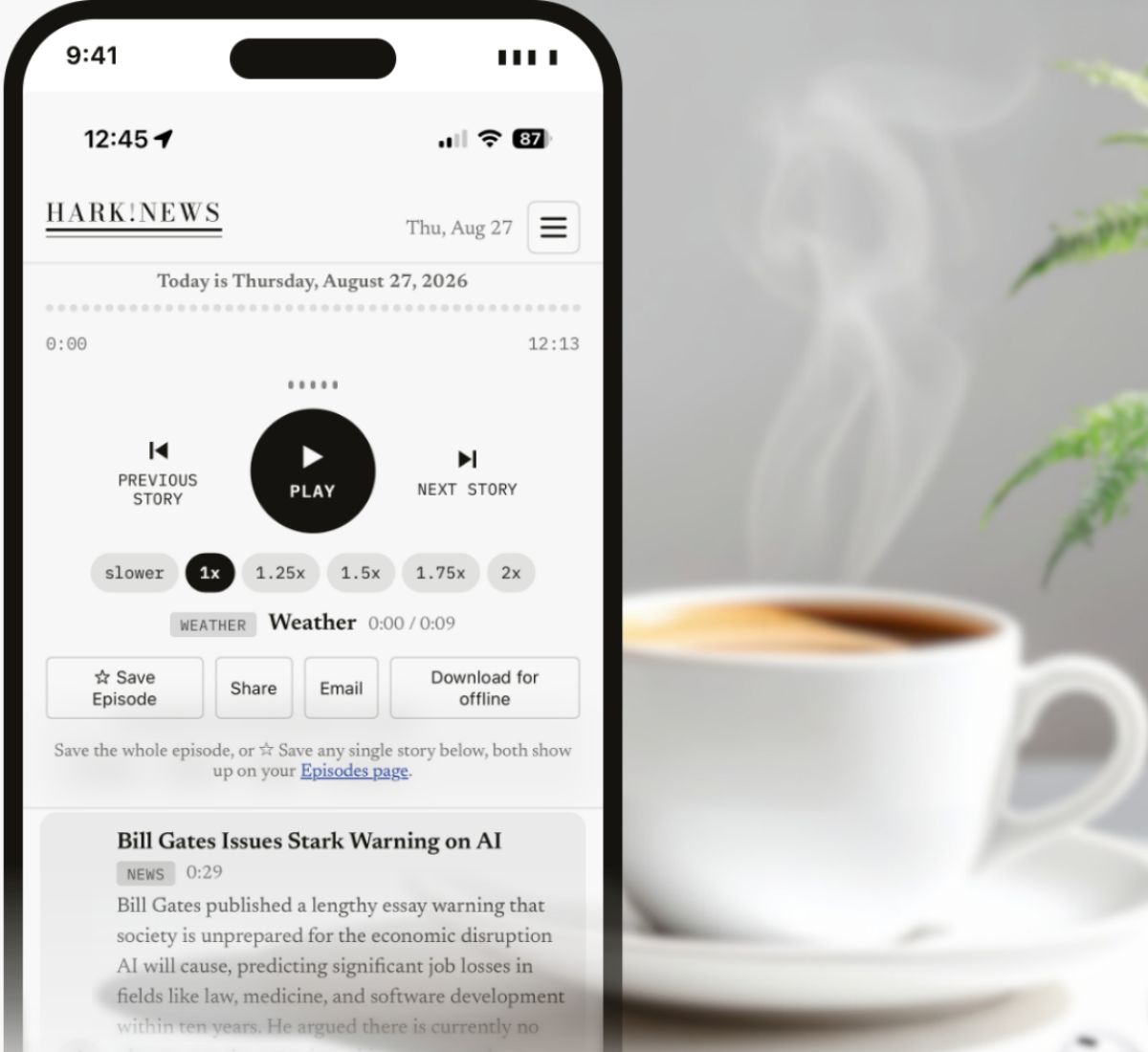
We handpick the best AI and business strategy newsletters and turn AI breakthroughs and enterprise trends into a 5-minute audio briefing, texted to you every morning.
Try the AI Consultant Briefing, FreeFreeSee the 6 newsletters we handpicked



At a glance
AI Consulting at a Glance
AI consulting sits inside a large, conventional profession: the Bureau of Labor Statistics counts 1,077,100 management analysts, the nearest federal occupation, projected to grow 10 percent by 2035 and add 109,200 jobs. The misconception is that the work is technical. It extends well beyond model building: readiness assessors who audit whether data and process can carry the promise, use case analysts who price opportunities and kill the weak ones, governance advisors who write the policy that must exist first, vendor leads who choose between buying and building, change managers who own the part that fails after launch, and value specialists who prove a number finance will accept. Pay follows that spread. The analyst median was $101,860 in May 2025, with the lowest tenth under $60,640 and the top tenth above $171,640; in professional, scientific and technical services, where most consultancies sit, it was $107,330. Partners and established independents sit above that band, unmeasured by public series. The strengths rewarded go beyond quantitative skill: structured thinking, industry fluency, running a difficult meeting, and the willingness to say no. BLS notes employers often want experience in the client's own field rather than in consulting. A bachelor's degree is typical entry, certification is not required, and 14 percent of analysts are self-employed, making independent practice a normal step. The direction of travel is governance: the NIST AI Risk Management Framework and the EU AI Act gave clients questions they could not previously ask.
Key Industry Statistics
$101,860
Median pay for management analysts (May 2025)US Bureau of Labor Statistics
1,077,100
Management analyst jobs, growing 10 percent to 2035US Bureau of Labor Statistics
19.8%
US businesses reporting AI use (May 2026)US Census Bureau
14%
Share of management analysts who are self-employedUS Bureau of Labor Statistics
Common roles
- Business analyst
- AI strategy consultant
- AI transformation lead
- AI governance advisor
- Engagement manager
- Independent AI consultant
Where they work
- Big Four advisory practices
- Strategy firms
- Boutique AI consultancies
- Systems integrators
- Independent practice
- In-house transformation teams
What decides pay
- Firm type and leverage model
- Billing structure and rate
- Industry specialism
- Regulated and governance work
- Whether you originate the work
Key Areas in AI Consulting
Readiness Assessment
Whether the data, the processes and the people can carry what was promised.
Use Case Selection
Pricing the opportunities, and declining the ones that do not clear.
Governance & Policy
The rules that have to exist before the first system goes live.
Vendor Selection
Build, buy or walk away, on a decision the client lives with for years.
Change Management
The half that fails quietly, long after the technology has worked.
Value Measurement
Producing a number a finance team will put its name against.
AI Consultant Jobs & Salary
No federal occupation covers AI consulting, so this ladder uses management analysts as the honest anchor and the technical occupations an AI consultant scopes work against. All figures are median annual wages for May 2025 and exclude the self-employed, who are 14 percent of management analysts and who set their own fees.
Management analysts
$101,860
Computer systems analysts
$105,850
Data scientists
$120,230
Computer and information systems managers
$175,140
Source: US Bureau of Labor Statistics, Management Analysts, May 2025, accessed October 2026.
AI Consultant Career Paths
Four routes through the same trade: being paid by somebody who does not employ you to tell them what to do about AI. The first fork is whether you advise on the decision or own the delivery, and the later one is whether you sell the work or run the firm.
- Business Analyst0 to 2 yearsInterviews, process mapping and the evidence behind somebody else's recommendation.
- AI Strategy Consultant2 to 5 yearsOwning a workstream, sizing opportunities, and writing the case that gets funded or killed.
- Engagement Manager5 to 9 yearsThe whole engagement, the client relationship, and the unwelcome conversations inside it.
- Principal or Partner9 years and upOriginating work, carrying the margin, and being asked for by name.
Credential that fits No credential; a track record of engagements
There is no federal occupation code for AI consulting. The nearest is management analysts, 13-1111, where 14 percent are self-employed and excluded from the published wage data. The technical occupations listed on this page are the roles an AI consultant scopes work against rather than alternative titles for the same job.
A Typical Day in AI Consulting Jobs
Five roles from a first client engagement to running your own practice, ordered by how much of the day is somebody else's decision.
Business AnalystEntry-Level · Strategy AdvisoryInterviews, process maps and the evidence somebody more senior will present as a recommendation.
- 08:30Reading the client's own process documentation and finding it describes a process nobody follows.
- 10:00Interviewing two team leads about how the work is really done, which is the actual source material.
- 12:30Sizing one candidate use case: volume, handling time, error rate, and whether the data exists.
- 14:30Rebuilding a slide after the engagement manager asks where a number came from.
- 16:30Reading the morning's AI briefing properly, because the client quoted a launch you had not seen.
AI Strategy ConsultantMid-Level · AdvisoryOwning a workstream, pricing the opportunity, and writing the case that gets something funded or killed.
- 08:00Cutting the long list from fourteen use cases to three, with a stated reason against each cut.
- 10:00Workshop with operations, where the sponsor's favourite idea turns out to have no usable data.
- 13:00Build versus buy analysis, including the running cost at real volume rather than at pilot volume.
- 15:00Drafting the business case against a baseline the finance team has already agreed to.
- 17:30A call with the client's data lead to check the plan survives contact with their pipeline.
AI Governance AdvisorMid-Level · Risk & PolicyClassifying what the client is running, writing the policy that should have existed first, and preparing for scrutiny.
- 09:00Completing the inventory and finding three systems in production that nobody had registered.
- 11:00Classifying each use case by risk tier, and flagging the one that may not be permitted at all.
- 13:30Walking the client through Govern, Map, Measure and Manage without it sounding like paperwork.
- 15:00Drafting the human oversight requirement for a system that currently has none.
- 17:00Briefing legal on what changes if the client's European entity deploys the same tool.
Engagement ManagerSenior-Level · DeliveryThe whole engagement, the relationship above it, and the rollout that is quietly not landing.
- 07:30Steering committee prep, where the honest status is amber and the sponsor wants green.
- 09:30Adoption numbers by team, which track almost exactly onto whose targets were changed.
- 12:00Scope conversation: a new request that is a second project wearing the first one's name.
- 14:00Coaching an analyst through delivering a finding the client will not enjoy hearing.
- 16:00Writing the follow-on proposal, because the next engagement is sold during this one.
Independent AI ConsultantSenior-Level · Own PracticeYour own pipeline, your own pricing, and nobody above you to escalate an awkward call to.
- 07:00Writing the monthly piece that brings in most of the inbound, before the client work starts.
- 09:00A readiness review delivered in person, with a recommendation to do less than was asked for.
- 12:00Scoping a prospect and declining it, because it would blur the niche the pipeline runs on.
- 14:00Invoicing, chasing a late payment, and the admin that has no billable code.
- 16:00Building a rough prototype yourself, to settle an argument that would otherwise take a workshop.
JOB SEARCH
How to Become an AI Consultant in 2026
Whether you are breaking in from management consulting or from a technical seat, running your first engagement end to end, or deciding whether to make partner or go independent, the questions change at each stage. Pick yours.
Entry-Level
Break Into AI Advisory
How to get in from consulting, from a technical seat or from industry, what the nearest federal pay data actually says, and why your first value is evidence rather than opinion.
What you should know about the field
What the work pays, who gets hired, and what kind of market you are walking into.
Management analysts is the nearest federal occupation
There is no AI consulting line in the national data. The closest is management analysts: 1,077,100 jobs, a $101,860 median in May 2025, projected to grow 10 percent by 2035 and add 109,200 positions, with about 94,100 openings a year. Treat it as a floor and a shape, not a salary quote.
Source: US Bureau of Labor Statistics, Management Analysts, May 2025
Most clients have not adopted AI at all yet
Census Bureau survey data put US business AI use between 17 and 20 percent from December 2025 to May 2026, at 19.8 percent on 3 May 2026, with 20 to 23 percent expecting to start within six months. The market is mostly organisations deciding, not organisations operating.
Source: US Census Bureau, Business Trends and Outlook Survey, May 2026
A bachelor's degree is typical, an MBA is common
BLS gives a bachelor's degree as typical entry for management analysts, names business, social science and engineering among the usual fields, notes some employers prefer an MBA, and lists under five years of related experience. No technical degree is required.
Source: US Bureau of Labor Statistics, Management Analysts, May 2025
Where the work sits changes what it pays
Professional, scientific and technical services hold 33 percent of analyst jobs at a $107,330 median, government 18 percent at $97,300, finance and insurance 13 percent at $100,300, and management of companies 5 percent at $101,030. The sector you specialise in is a pay decision.
Source: US Bureau of Labor Statistics, Management Analysts, May 2025
Skills employers look for
What a practice checks in someone who has not run an engagement yet.
Scoping an ambition into an answerable question
BLS describes the core of the occupation as gathering and organising information about the problem to be solved, interviewing personnel and observing onsite. That is scoping, and it is the skill a vague executive brief dies or survives on.
Source: US Bureau of Labor Statistics, Management Analysts, May 2025
Assessing readiness before recommending anything
With about one in five US businesses using AI at all and another fifth expecting to start within six months, most engagements open on an organisation with no operating history. Auditing data, process and ownership first is the difference between advice and a guess.
Source: US Census Bureau, Business Trends and Outlook Survey, May 2026
Knowing the client's industry, not just the technology
BLS notes that analysts often specialise in a business function or a particular industry and that employers frequently want experience in the client's own field. Sector fluency is what makes a recommendation land; technology fluency only makes it defensible.
Source: US Bureau of Labor Statistics, Management Analysts, May 2025
Holding your own with the build team
You scope work that data scientists, on a $120,230 median and 275,600 jobs growing 35 percent, will actually do, and you sell it to systems managers on a $175,140 median. Credibility in both conversations is the price of being in either.
Sources: US Bureau of Labor Statistics, Data Scientists, May 2025US Bureau of Labor Statistics, Computer and Information Systems Managers, May 2025
Interview questions and answers
Questions put to a candidate joining a practice rather than leading one.
A client wants AI across the business. Where do you start?
What they are looking for: Whether you scope before you solve, which is the whole job in one question.
I would not start with technology. I would start with where the money and the time currently go, find the repetitive, judgement-light work where data already exists as a by-product, and check who owns the process. Then I would come back with three candidates and a list of things to decline, with a reason attached to each.
Make it yours: Come back with a shorter list. Candidates who return an expanded one have shown they cannot say no.
How would you tell whether this company is ready for AI?
What they are looking for: Whether readiness means something concrete to you or is a slide heading.
Four checks. Is the data accessible, consistent and permitted for this use. Is the process stable enough that there is something to automate. Is there a named owner for the risk and the outcome. And will the people whose work changes be measured on the old thing or the new one. If any of those is missing, the first engagement is fixing it, not building.
Make it yours: Name the ownership check. Most candidates list data and process and stop there.
Where do you think AI is currently being oversold?
What they are looking for: Independent judgement, which is the thing a client is actually buying.
Anywhere the underlying process was never documented. Those projects get sold as automation and are really a process redesign with a model attached, and the model gets blamed when the redesign does not happen. I would rather do the unglamorous version first and introduce the technology into something that already works.
Make it yours: Have a specific view. A candidate who is uniformly enthusiastic cannot be trusted to warn a client.
How do you measure the return on an AI implementation?
What they are looking for: Whether you can produce a number a finance team will accept.
Agree the baseline before anything is built, because a baseline measured afterwards always flatters the project. Then cost per completed outcome rather than per request, the human review still required, and the running cost, which does not stop. If the benefit cannot be traced to a line the finance team recognises, it will not survive the next budget round, and I would say so early.
Make it yours: Lead with the baseline. Retrofitting one is the single commonest way pilots overstate themselves.
Mid-Level
Own the Engagement
Running a scope end to end, writing the governance a client did not know to ask for, and handling the rollout that stalls after the pilot everyone celebrated.
What you should know about the field
What shapes an engagement once the delivery is yours to defend.
Adoption is concentrated in large employers
In the period ending 3 May 2026, 37 percent of firms with at least 250 employees reported using AI and 32 percent of those with 100 to 249, against under 20 percent of firms with four or fewer. That gradient is why the enterprise and the small-business engagement are different products.
Source: US Census Bureau, Business Trends and Outlook Survey, May 2026
Governance now has a framework clients cite
The NIST AI Risk Management Framework, voluntary and released in January 2023, organises the work into Govern, Map, Measure and Manage, with a Generative AI Profile added in July 2024. It is the common vocabulary for the risk conversation, and clients increasingly open with it.
Sources: NIST, AI Risk Management FrameworkNIST AI Resource Center, AI RMF Core
European clients are governed by risk tier
The EU AI Act bans an unacceptable-risk tier, which began to apply on 2 February 2025, requires high-risk systems to be assessed and registered in an EU database, and obliges general-purpose providers to disclose AI-generated content and label deepfakes. Classification is a consulting deliverable in its own right.
Source: European Parliament, EU AI Act: first regulation on artificial intelligence
Certification helps and is not required
BLS states certification is not required for management analysts though a credential may be an advantage. The Certified Management Consultant mark, awarded by the Institute of Management Consultants USA, needs more than two years of experience, an oral or written exam and renewal every three years.
Sources: US Bureau of Labor Statistics, Management Analysts, May 2025O*NET OnLine, Certified Management Consultant (IMC USA)
Skills employers look for
What separates delivering a workstream from being trusted with the client.
Running an AI governance review
Working a client's portfolio through Govern, Map, Measure and Manage, the four functions of the NIST AI Risk Management Framework, and using its Generative AI Profile where the newer risks apply. Clients now ask for this by name.
Sources: NIST AI Resource Center, AI RMF CoreNIST, AI Risk Management Framework
Classifying a use case by regulatory risk
Telling a prohibited practice from a high-risk system that must be assessed and registered, and from a transparency obligation such as labelling AI-generated content. Under the EU AI Act that judgement determines what the client is allowed to build.
Source: European Parliament, EU AI Act: first regulation on artificial intelligence
Measuring value against an agreed baseline
The Measure function of the NIST framework exists because unmeasured AI performance is unmanaged risk. The consulting version is the same discipline pointed at money: a baseline agreed before the build, and running cost counted alongside benefit.
Confirming the change actually took
BLS lists conferring with managers to ensure changes are working as a duty of the occupation, and separately notes the travel and client-site time that implies. The rollout, not the pilot, is where an AI programme is won.
Source: US Bureau of Labor Statistics, Management Analysts, May 2025
Interview questions and answers
Questions that test judgement under a live client constraint.
The pilot worked and the rollout stalled. Diagnose it.
What they are looking for: Whether you understand that AI programmes fail organisationally, not technically.
A pilot runs on volunteers, clean data and somebody's attention. A rollout has none of those. I would look first at whether anyone's targets changed, then at whether the surrounding process was redesigned or the tool was bolted onto the old one, then at support and training, and only then at model quality. In my experience the technology is rarely the binding constraint by that stage.
Make it yours: Check incentives first. It is the answer that distinguishes someone who has done a rollout.
How would you choose between three vendors for a client?
What they are looking for: Whether you can evaluate a purchase the client lives with for years.
I would define the evaluation before meeting any of them, using the client's own data and their awkward cases rather than the vendor's demo. Then weigh the parts that outlast the sale: where data goes, what the exit looks like, the real running cost at volume, and who is accountable when it is wrong. Capability differences usually matter less than lock-in.
Make it yours: Insist on the client's own test cases. Accepting a demo as evidence is the common failure.
How do you handle a client's data privacy and governance concerns?
What they are looking for: Whether governance is first-workstream knowledge or something you would look up.
I would classify each use case before anything is built: what data it touches, who it affects, and whether it falls in a regulated category. The NIST framework gives a structure for that with Govern, Map, Measure and Manage, and for anything touching Europe the AI Act's risk tiers decide what is permitted at all. The output is a register with an owner against each entry.
Make it yours: Name a framework and an owner. Reassurance without a structure reads as improvisation.
Tell me about an engagement that did not deliver.
What they are looking for: Honesty, and whether you learned something transferable rather than blaming the client.
A document-processing programme where we validated the data sample and not the data pipeline. The sample was clean because somebody had cleaned it. Live inputs were not, accuracy fell well below what we had quoted, and we rebuilt the business case at our own cost. Since then I audit how the sample was produced before I accept any number from it.
Make it yours: Say what you changed afterwards. A failure story with no method change is just a confession.
Senior-Level
Sell the Work and Carry the Outcome
Originating engagements rather than staffing them, pricing advice whose value is a decision, and deciding whether your next move is partnership or your own practice.
What you should know about the field
What seniority is actually accountable for, and what independence costs and pays.
One in seven analysts works for themselves
BLS reports 14 percent of management analysts are self-employed, and excludes them from its wage figures. Most are consultants on contract who write proposals and bid for work, with clients comparing plans, timelines and costs. Independent practice is a normal destination here, not an exit.
Source: US Bureau of Labor Statistics, Management Analysts, May 2025
The pay band is very wide at both ends
Against a $101,860 median in May 2025, the lowest tenth of management analysts earned under $60,640 and the highest tenth more than $171,640. Seniority, specialism and whether you originate the work explain most of that spread, and the self-employed are not in the figures at all.
Source: US Bureau of Labor Statistics, Management Analysts, May 2025
European clients are governed by risk tier
The EU AI Act bans an unacceptable-risk tier, which began to apply on 2 February 2025, requires high-risk systems to be assessed and registered in an EU database, and obliges general-purpose providers to disclose AI-generated content and label deepfakes. Classification is a consulting deliverable in its own right.
Source: European Parliament, EU AI Act: first regulation on artificial intelligence
Governance now has a framework clients cite
The NIST AI Risk Management Framework, voluntary and released in January 2023, organises the work into Govern, Map, Measure and Manage, with a Generative AI Profile added in July 2024. It is the common vocabulary for the risk conversation, and clients increasingly open with it.
Sources: NIST, AI Risk Management FrameworkNIST AI Resource Center, AI RMF Core
Skills employers look for
What is expected of someone who brings the work in rather than delivering what arrives.
Writing a proposal that wins on more than price
BLS notes most analysts are consultants on contract who write proposals and bid for work, with clients comparing plans, timelines and costs. Pricing and structuring the engagement is therefore a core skill rather than a back-office task.
Source: US Bureau of Labor Statistics, Management Analysts, May 2025
Choosing a specialism narrow enough to be asked for
BLS notes analysts commonly focus on a niche, a business function or a particular industry, and that government specialisation follows the type of agency. A reputation is built inside one of those, which is also what lets a fee sit above the median.
Source: US Bureau of Labor Statistics, Management Analysts, May 2025
Classifying a use case by regulatory risk
Telling a prohibited practice from a high-risk system that must be assessed and registered, and from a transparency obligation such as labelling AI-generated content. Under the EU AI Act that judgement determines what the client is allowed to build.
Source: European Parliament, EU AI Act: first regulation on artificial intelligence
Measuring value against an agreed baseline
The Measure function of the NIST framework exists because unmeasured AI performance is unmanaged risk. The consulting version is the same discipline pointed at money: a baseline agreed before the build, and running cost counted alongside benefit.
Interview questions and answers
Questions for someone expected to originate work and hold a view a client can be sold.
How do you price an AI engagement?
What they are looking for: Commercial judgement, which many technically strong candidates have never had to show.
By what the client is buying. A readiness assessment is a fixed scope and a fixed fee because the output is a document. Delivery support is time and materials with a defined decision gate. Anything where the value is large and attributable, I would rather structure around the outcome than the hours, because an hourly rate rewards me for the engagement taking longer.
Make it yours: Tie the model to the deliverable. An answer that is only a day rate reads as junior.
A board has already announced an AI strategy you disagree with. What do you do?
What they are looking for: Whether you can deliver an unwelcome recommendation and keep the client.
Find the outcome behind the announcement, because it is usually a commercial goal rather than a technology one. Then show what the announced route costs and where it is likely to fail, next to a version that reaches the same goal and can be defended publicly. Give them a way to change course that is not an admission, and put the risk in writing either way.
Make it yours: Offer an alternative, not just an objection. Being right without being usable is worth nothing here.
How would you build a practice around a specialism?
What they are looking for: Whether you think commercially about reputation rather than only about delivery.
By picking a niche narrow enough that somebody can recommend me in one sentence, usually an industry crossed with a problem rather than a technology. Then publishing the method, not the sales pitch, so the first conversation starts from credibility. And declining adjacent work that would blur it, which is the part that is genuinely hard in the first two years.
Make it yours: Name what you would turn down. A specialism defined only by what you accept is not one.
Where do you think AI is currently being oversold?
What they are looking for: Independent judgement, which is the thing a client is actually buying.
Anywhere the underlying process was never documented. Those projects get sold as automation and are really a process redesign with a model attached, and the model gets blamed when the redesign does not happen. I would rather do the unglamorous version first and introduce the technology into something that already works.
Make it yours: Have a specific view. A candidate who is uniformly enthusiastic cannot be trusted to warn a client.
Why AI Consultants Need to Stay Informed
New AI models, agents, and technologies are reshaping how businesses operate. Staying current on AI breakthroughs, enterprise adoption, and industry trends helps AI consultants identify opportunities, advise clients, and deliver measurable results.
Read more
The commercial reason is sharper than that. You are charging for knowing more than the client, on a subject where they read the same launch coverage you do and the vendor has already briefed them. Being a week behind on what shipped, what it costs, or what a regulator published is not an information gap, it is a credibility one, and it shows up in the room.
The bottom line
AI Is Transforming Business. Stay Ahead.
Capability news keeps you credible in the meeting. Adoption evidence and governance literacy are what get you retained after it. Read for both, because clients pay for the second and hire on the first.
Stay Informed with Hark's AI Consultant Briefing
How it works
Curated from the best newsletters
Hark's editorial team handpicks the sources worth following. See how we rank
Distilled into one briefing
Six sources become a single five-minute read of what actually changed.
Texted to you every morning
It arrives before your first client call, at a time you choose.
Links back to the original
Every item names its source, so you can read the full piece when it matters.
The 6 AI Consulting Newsletters We Handpicked
The Rundown AI
Rowan Cheung
- Free
- Daily
- 2M readers
Rowan Cheung's daily five-minute rundown of AI news and tools, teaching 2 million+ readers what just shipped and how to actually use it.
Why AI consultants read it
A daily five-minute read on what shipped and what it does. The cheapest way to never be told about a launch by your own client.
More about this newsletter
Rowan Cheung's The Rundown AI is one of the largest AI newsletters, a daily digest of model launches, tools, and industry news built for a broad audience. Each issue turns the day's biggest release into a workflow you can try the same morning. Breadth over depth, delivered fast.
Best for: Anyone who wants to keep up with AI in five minutes a day. It's the largest AI newsletter for a reason: every issue turns the day's biggest model release or tool launch into something you can actually try that morning, no technical background needed.
Superhuman AI
Zain Kahn
- Free
- Daily
- 1.5M readers
Zain Kahn's daily briefing on AI news, tools, and how-tos, engineered for busy professionals and read by 1.5 million+ subscribers.
Why AI consultants read it
Practical, tool-level coverage aimed at people who have to use this at work, which is the register most client conversations are actually held in.
More about this newsletter
Zain Kahn's Superhuman AI is built around using AI at work: practical tool tips, prompts, and news framed for productivity in a quick daily read. It is the fastest scan of the big AI dailies. Best for professionals who want practical how-to alongside the headlines.
See the other 3 newsletters
One Useful Thing
Ethan Mollick
- Free
- Weekly-ish
- 469k readers
Wharton professor Ethan Mollick's dispatches on working and learning with AI, grounded in research and hands-on experiments rather than hype.
Why AI consultants read it
Ethan Mollick on what AI does to organisations and the people inside them, tested rather than asserted. The closest thing to a reference for the adoption half of the job.
More about this newsletter
Wharton professor Ethan Mollick studies innovation and spends his evenings actually using the frontier AI models, then writes up what works. One Useful Thing is grounded in experiments and academic research rather than vendor claims. It has become the default read for professionals figuring out what AI means for their own work.
Best for: Knowledge workers and leaders who want to use AI well, not just read about it. Wharton professor Ethan Mollick runs real experiments and writes up what genuinely works, making this the go-to for practical, evidence-based advice from a trusted academic voice.
The Batch
DeepLearning.AI (Andrew Ng)
- Free
- Weekly
Andrew Ng's weekly letter plus carefully explained AI news from the DeepLearning.AI team.
Why AI consultants read it
Andrew Ng's weekly letter, carefully explaining why a result matters. This is where an advisor gets the technical reasoning that survives a question from the client's data team.
More about this newsletter
The Batch, from Andrew Ng's DeepLearning.AI, covers the week's AI developments with an educator's clarity, opening with a personal letter from Ng himself. It is measured, credible, and accessible to practitioners and newcomers alike. AI news from one of the field's most influential teachers.
The Neuron
The Neuron (TheurgyOne)
- Free
- Daily (weekdays)
- 700k readers
A daily tour of AI news and tools written for working professionals, translating the industry's firehose into practical takeaways for 700,000+ readers.
Why AI consultants read it
A brisk daily digest of launches, funding and industry movement, useful for tracking which vendors are rising and which are about to be acquired out from under a client.
More about this newsletter
The Neuron explains AI news and tools in plain English with a light touch, for readers who want to understand what matters without a computer science degree. It is the most approachable of the daily AI digests. Friendly, clear, and genuinely useful for beginners.
You May Also Like
- Management ConsultantsThe broader advisory profession this specialises, covering the scoping, client management and engagement economics that transfer directly into AI work.
- AI ProfessionalsTechnical colleagues who build what you scope, and the likeliest background for anyone entering consulting from an engineering or research seat.
- AI Product ManagersClient-side counterparts who own an AI surface permanently, with the evaluation and tradeoff discipline a consultant has to argue against.
- CTOs & Engineering LeadersOften the person on the other side of the table buying the engagement, and the career many senior AI consultants move into in-house.
Frequently Asked Questions
Entry-Level
What does an AI consultant do?
Advises an organisation that does not employ them on what to do about AI. In practice that means assessing readiness, choosing the few use cases worth funding, recommending build or buy, writing the governance that has to exist before anything goes live, running the change that follows, and proving a result afterwards. The Bureau of Labor Statistics describes the nearest occupation, management analysts, in almost those terms: gather information about the problem, interview personnel, analyse data, develop solutions, recommend changes, and confer with managers to check the changes are working.
How do you become an AI consultant?
Three routes dominate. A management consultant who takes AI work and builds the technical literacy. A technologist who moves into advisory and builds the commercial side. And a domain expert, in a bank, a hospital or a factory, who becomes the person who understands both the process and the model. BLS lists a bachelor's degree as typical entry for management analysts, with some employers preferring an MBA, and notes that employers often look for experience in the client's own field.
Is AI consulting a good career?
The demand is real and the work is varied, you see more organisations in two years than an in-house role shows you in ten, and independent practice is a genuine destination rather than a fallback. The costs are also real: BLS notes frequent travel, long hours and the stress of clients expecting fast results. There is a credibility cost too, because the field attracts people selling certainty about a technology nobody has five years of operating history with.
What is the difference between an AI consultant and an AI strategist?
Mostly scope and employer, and the titles are used loosely. A strategist is more often in-house, owning one organisation's direction over years, with the budget conversation and the political capital that go with it. A consultant is engaged from outside, usually against a defined scope and a fee, and is expected to bring pattern recognition from other clients. The analytical work overlaps almost entirely. What differs is who you answer to and how long you stay.
What is the difference between an AI consultant and an AI engineer?
An engineer builds and runs the system. A consultant decides whether it should exist, what it is worth, who it affects and what has to be true for it to survive contact with the organisation. The consultant is accountable for the recommendation, the engineer for the implementation. The two are frequently on the same project, and the consultants who are taken seriously are the ones who can follow an engineer's objection rather than wait it out.
Do you need a technical degree to become an AI consultant?
No. BLS gives a bachelor's degree as typical entry for management analysts and lists business, social science and engineering among the common fields, with no technical requirement. What is genuinely required is enough literacy to tell a hard problem from an easy one, to know what data a proposal needs and whether the client has it, and to ask a vendor a question they cannot answer with a demo. Many effective AI consultants acquired that on engagements rather than in a degree.
Do AI consultants need to know how to code?
Not to a professional standard, and most do not. The consultants who can build a rough prototype are noticeably more persuasive, because an afternoon of working evidence settles an argument that would otherwise run for a month of workshops. The real bar is being able to read what the client's team produced and judge whether it supports the claim being made about it. That is a comprehension skill, not a production one.
What are the most important skills for AI consultants?
Scoping, first: turning a vague executive ambition into a question that can be answered inside a budget. Then enough technical reasoning to size the work honestly, data literacy to tell whether the client can actually feed the thing they want, governance knowledge because clients now ask about it unprompted, and change management, which is where most programmes die. Underneath all of it, the willingness to deliver an unwelcome recommendation to the person paying for it.
Mid-Level
How much do AI consultants earn?
There is no federal occupation for AI consulting, so the honest anchor is management analysts: a $101,860 median in May 2025, with the lowest tenth under $60,640 and the top tenth above $171,640. Analysts in professional, scientific and technical services, where most consultancies sit, had a $107,330 median. AI specialists generally sit above the middle of that band, and firm partners and established independents sit well outside it, but no public series measures them separately.
What are the best entry-level jobs in AI consulting?
Business analyst or associate consultant at a firm with an existing AI practice, which is the most direct way in and the most competitive. Data analyst inside a consultancy, where you build the evidence habit early. Technology or transformation analyst at a systems integrator, closer to delivery and to why programmes fail. And an internal transformation or operations role at a large employer, which BLS data suggests is often the better foundation, since employers hiring analysts frequently want experience in the client's own industry.
Can management consultants transition into AI consulting?
It is the commonest route, and the advantage is larger than it looks. Scoping, client management, structuring an ambiguous problem and surviving a steering committee are the slow skills, and you already have them. What has to be added is technical literacy deep enough to size a build honestly, data fluency, and a working knowledge of the governance frameworks clients cite. BLS notes that analysts often specialise by industry or business function, and AI is now being treated as one of those specialisms.
Can you become an AI consultant without a technical background?
Yes, and it is one of the three routes that actually populate this field. The domain expert path is the strongest version of it: someone who already understands how a claims team, a clinic or a plant floor really works, and who learns enough about models to tell a workable proposal from a sales deck. BLS notes that employers hiring management analysts often want experience in the client's own field, and that analysts commonly specialise by industry or business function, which is exactly the asset a non-technical entrant already owns. What has to be built deliberately is comprehension rather than production: reading what the client's data team produced and judging whether it supports the claim attached to it. The people who struggle are not the ones who cannot code, they are the ones who never close that gap and end up relaying the vendor's answer to the client.
What is the typical AI consultant career path?
Analyst, consultant, senior consultant, then manager or engagement lead, then principal, director or partner, with the fork being whether you sell work or stay the expert delivering it. The second fork is independence: BLS reports 14 percent of management analysts are self-employed, so leaving to run a boutique or a solo practice is a normal step rather than an exit. Governance and regulated-industry specialists increasingly form a third track of their own.
Which AI consulting certifications are worth pursuing?
BLS is blunt that certification is not required for management analysts, though a credential can be a competitive advantage. The Certified Management Consultant mark, awarded by the Institute of Management Consultants USA, requires more than two years of experience, an oral or written exam and renewal every three years. For AI specifically, familiarity with the NIST AI Risk Management Framework and ISO-style management-system thinking tends to matter more to clients than any individual certificate.
What AI tools and platforms should consultants understand?
At least one frontier model API well enough to build a rough prototype yourself. The major cloud AI platforms, because that is usually where the client's data already lives and it constrains the options. Retrieval and vector search well enough to know what they fix and what they do not. The client's existing analytics and data stack, since most AI proposals founder there. And enough of the agent and automation layer to judge whether a vendor's claims are plausible.
How do AI consultants identify business opportunities for AI adoption?
By starting from expensive, repetitive, judgement-light work where the data already exists as a by-product of the process, rather than from the technology. Census Bureau data gives the reason this still pays: as of May 2026 only about one in five US businesses reported using AI at all, so for most clients the opportunity set has never been examined systematically. The output of a good opportunity scan is usually a short list and a long list of things to decline.
Senior-Level
How do AI consultants develop an enterprise AI strategy?
By sequencing, not by cataloguing. Establish what the business is trying to change, audit the data and the processes that would have to support it, pick a small number of use cases with a measurable outcome, and decide the build, buy and partner split. Then the unglamorous half: the governance model, who owns risk, how value is measured, and what capability the client has to hire. A strategy that does not say what the organisation will stop doing is a wish list.
How do AI consultants measure the ROI of AI implementations?
Agree the baseline before anything is built, because retrofitting one is how pilots come to look better than they were. Then measure cost per completed outcome rather than per request, count the human review the system still needs, and include the running cost, which does not stop. The NIST AI Risk Management Framework's Measure function exists for exactly this discipline. A benefit that cannot be traced to a line a finance team recognises will not survive the next budget round.
What are the biggest challenges companies face when adopting AI?
Data that is not in the condition anybody claimed. Processes that were never documented, so there is nothing stable to automate. No owner for the risk. And the quiet one: staff who correctly infer that the project is about their job and comply without adopting. Census Bureau figures show adoption is heavily concentrated in large firms, 37 percent at employers with 250 or more staff against under 20 percent at the smallest, which is mostly a story about who can afford the surrounding work.
How do AI consultants address data privacy, governance, and compliance?
By making it the first workstream rather than the last. The NIST AI Risk Management Framework, voluntary and published in 2023, organises the work into Govern, Map, Measure and Manage, and its Generative AI Profile covers the newer risks. For clients operating in Europe, the EU AI Act bans an unacceptable-risk tier, which began to apply on 2 February 2025, and imposes assessment and registration duties on high-risk systems. A consultant's job is to classify each use case before anyone builds it.
How do you prepare for an AI consultant interview?
Bring one engagement you can narrate end to end, including what you recommended against and why. Be ready to scope a vague AI ambition out loud, since that exercise is close to universal. Know the firm's sector focus and have a view on where AI is being oversold in it. And prepare an honest answer on a programme that did not deliver, because a candidate with no failures has either not run anything or will not tell you.
What are common AI consultant interview and case study questions?
A client wants to add AI everywhere, where do you start. How would you tell whether this company is ready. Size the benefit of automating this process. The pilot worked and the rollout stalled, diagnose it. How would you choose between three vendors. What would you tell a board that has already announced the strategy. Most of them test whether you can structure an ambiguous problem and say no in a commercially survivable way.
How do you start an independent AI consulting business?
Usually from a reputation already earned somewhere else, which is why almost nobody starts here. BLS reports that 14 percent of management analysts are self-employed and that contract analysts write proposals and bid for work, with clients comparing plans, timelines and costs. So the skills to add are commercial rather than technical: a defensible niche, a pricing model that is not an hourly rate, a referral pipeline, and the discipline to decline work that would dilute the specialism.
How can AI consultants advance into senior strategy or consulting leadership roles?
By becoming someone clients ask for by name, which comes from a specialism narrow enough to be memorable, and then by learning to sell. Partnership is a commercial role: originating work, holding relationships above the project, and carrying the margin. The technical advantage that got you to senior consultant stops compounding at that point, and the people who stall are usually the ones who kept optimising it instead of building a book.
Get Tomorrow's AI Consulting Briefing
Six sources, one briefing, five minutes a morning. Enough to walk into a client meeting knowing what shipped, what it costs, and what the regulator said about it.